
Govt to Shift LNG Cargo Loss Burden from State to Consumers – Full Details, Impact & Latest Updates
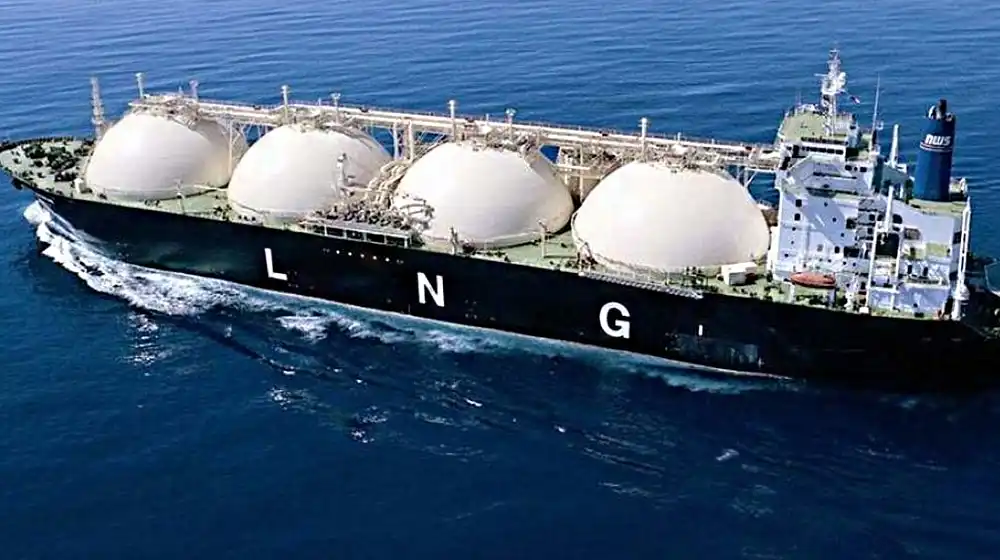
The Government of Pakistan has taken a major decision regarding the handling of LNG (Liquefied Natural Gas) cargoes, and this move is expected to impact millions of RLNG consumers across the country. According to the latest official developments, the government has decided to shift the financial burden of potential losses from diverted LNG cargoes directly onto RLNG consumers, instead of absorbing those losses at the state or PSO (Pakistan State Oil) level.
This announcement comes at a time when Pakistan is struggling with energy shortages, high global LNG prices, and commitments under long-term gas contracts with Qatar. The new policy will bring changes in gas pricing, tariff structures, and cost distribution across industries, power plants, and new domestic RLNG consumers.
In this in-depth article, we break down the entire development, its background, the economic impact, the beneficiaries, the risks, and the way forward for Pakistan’s energy sector.
Read Also: Great News for Cricket Fans – Two new PSL Teams in HBL PSL 2026: Let’s Explore New Additions
Why Did the Government Take This Decision?
For several years, when Pakistan diverted or resold LNG cargoes under the Net Proceed Differential (NPD) clause, any financial loss was borne by the government or PSO. Now, under the revised policy, all financial loss will be passed to RLNG consumers.
Government officials argue that the state can no longer afford to absorb these losses due to:
- High global LNG prices
- Dollar shortages
- Rising circular debt in the gas sector
- Limited fiscal space
- IMF pressure to remove subsidies
This means that RLNG power plants, export-oriented industries, CNG stations, and new domestic RLNG consumers will bear the financial impact.

What Is the NPD (Net Proceed Differential) Clause?
Under the long-term LNG supply agreement with Qatar, the NPD clause allows Pakistan to divert certain LNG cargoes to the international market.
The rules of the NPD clause are:
If the diverted cargo sells for higher price in international market → Profit goes to Qatar
If the diverted cargo sells for cheaper price → Pakistan must cover the loss
Until now, Pakistan State Oil (PSO) or the government absorbed the loss. But now, the financial risk will shift to consumers.

Pakistan Negotiating Diversion of 24 to 29 Cargoes in 2026
According to sources, the government is currently in negotiations with Qatari authorities regarding the diversion of 24–29 LNG cargoes during 2026.
- Decision expected by 30 November
- Officials expect diversion of 24 cargoes (lower end of the range)
- Potential foreign exchange saving estimated at $339.6 million
The diversion strategy aims to reduce dollar outflow and help Pakistan stabilize its balance of payments.

Which Consumers Will Now Bear the Loss?
The burden of diverted LNG cargo losses will shift to:
1. RLNG Power Plants
These plants are already struggling with expensive fuel. Any additional cost will directly increase:
- Electricity generation cost
- Fuel adjustment charges (FCAs)
- Circular debt risk
2. Export-Oriented Industries
Industries like:
- Textile
- Leather
- Surgical
- Sports goods
will face higher RLNG tariffs, which may reduce their international competitiveness.
3. Domestic Consumers Using RLNG
New residential connections supplied through RLNG will face higher winter bills.
4. Commercial and CNG Sectors
CNG stations and commercial users will see tariff hikes that may:
- Increase CNG prices
- Reduce demand in transport sector
- Push users back to petrol

OGRA’s Assessment: Rs. 48 Billion Positive Impact Expected
The Oil and Gas Regulatory Authority (OGRA), in its latest pricing determination, projected a positive financial impact of Rs. 48 billion if cargo diversions take place under favorable market conditions.
However, industry insiders claim that:
- OGRA may not have fully accounted for potential losses
- Market volatility could reverse expected gains
- Consumers may still face a pricing shock
Read Also: Breaking News: NADRA Launches Online Biometric Verification for Islamabad Vehicle Transfers
Why Is This Policy Considered Risky?
Experts believe that shifting NPD losses to consumers comes with several risks:
1. RLNG Prices May Spike Significantly
Higher fuel prices mean:
- More expensive electricity
- Reduced industrial output
- Higher inflation
2. Export Sector Will Become Less Competitive
Industries already face:
- Higher interest rates
- Costly raw materials
- Increased electricity tariffs
Costly RLNG will worsen production challenges.
3. Domestic Consumers Will Struggle to Pay Bills
With gas bills already rising, many families may find it difficult to manage expenses.
4. Circular Debt Might Rise Further
Even though the government aims to reduce debt, expensive RLNG could cause:
- Lower bill recovery
- Reduced industrial consumption
- Higher subsidy demand
5. Public Backlash
Gas and electricity price hikes directly impact household budgets, raising concerns about:
- Public protests
- Political pressure
- Loss of government popularity
Government’s Justification for the Policy Shift
The government claims that this decision was necessary due to several reasons:
1. Dollar Savings
Expected savings of $339.6 million if diversions are approved.
2. PSO Cannot Absorb Further Losses
PSO already faces:
- Massive circular debt
- International payment obligations
- Cash flow issues
3. IMF Pressure
IMF has demanded:
- Full cost recovery
- Reduction of subsidies
- Elimination of energy sector losses
4. Global LNG Market Uncertainty
Due to market instability, Pakistan must reduce financial risk exposure.
5. Protecting the National Budget
Energy subsidies are no longer sustainable.
Impact on Pakistan’s Power Sector
RLNG-based electricity is already one of the most expensive generation sources in Pakistan.
With additional NPD losses:
- Fuel cost adjustment (FCA) will increase
- Electricity tariff might rise by Rs 3–6 per unit
- Distribution companies (DISCOs) will face higher losses
- Load-shedding may increase
Power plants running on RLNG already operate under cost pressure—this policy may push them further toward inefficiency.
Impact on Export-Oriented Industries
Pakistan’s textile sector heavily relies on affordable RLNG.
Higher prices can:
- Reduce export competitiveness
- Increase production cost
- Cause factory closures
- Reduce employment
Export industries already warn that further tariff hikes may cause billions in economic losses.
Impact on Domestic Consumers
New RLNG-consumers and mixed-supply areas will be most affected.
Expected outcomes:
- Higher monthly gas bills
- More reliance on LPG cylinders
- Reduced gas usage during winter
This could affect millions of households, especially in Punjab where RLNG supply is most common.
Could This Decision Lead to Higher Inflation?
Yes. Higher RLNG prices affect:
- Transport sector
- Commodity prices
- Industrial output
- Electricity bills
- Cooking gas expense
All these factors contribute to rising inflation.
What Happens Next?
The policy will come into effect once:
- Qatar confirms the number of LNG cargoes
- OGRA adjusts RLNG tariffs
- SNGPL and SSGC issue new consumer bills
- Government notifies pricing mechanism
Experts expect gas tariffs to rise in early 2026.
Read Also: Breaking News: NADRA Launches Online Biometric Verification for Islamabad Vehicle Transfers
Conclusion About Govt Shift LNG Cargo Loss Burden:
The government’s decision to shift the burden of LNG cargo losses to consumers marks a major change in Pakistan’s energy pricing framework. While the move might help stabilize the national budget and reduce dollar outflow, it also risks increasing RLNG prices, raising electricity costs, hurting exports, and burdening domestic consumers.
As Pakistan navigates a difficult economic environment, policymakers face the challenge of balancing fiscal responsibility with protecting consumers from further hardship.
FAQs – Govt to Shift LNG Cargo Loss Burden from State to Consumers
1. What does shifting the LNG cargo loss burden to consumers mean?
It means that any financial losses from diverted LNG cargoes will no longer be paid by the government or PSO. Instead, these losses will now be added to RLNG consumer bills, increasing their gas and fuel costs.
2. Who will be affected by the new LNG pricing policy?
The policy will impact:
RLNG-based power plants
Export-oriented industries
Commercial users
New domestic consumers using RLNG gas connections
3. Why is the government diverting LNG cargoes?
Pakistan is negotiating with Qatar to divert 24–29 LNG cargoes in 2026 so they can be sold on the international market. This is part of the Net Proceed Differential (NPD) clause, which may help Pakistan earn foreign exchange if international prices remain high.
4. What is the Net Proceed Differential (NPD) clause?
Under the NPD clause:
If a diverted cargo sells above Pakistan’s contract price → profit goes to Qatar.
If it sells below the contract price → Pakistan bears the loss.
The new decision shifts this loss directly to consumers instead of PSO or the state.
5. How will this policy affect RLNG prices in Pakistan?
RLNG prices are expected to rise because:
Losses will be added to consumer bills
Power producers may increase electricity rates
Exporters may face higher fuel costs
New RLNG domestic consumers will see larger monthly bills