
Govt to Abolish Super Tax in Phase-Wise Manner: FBR Chairman
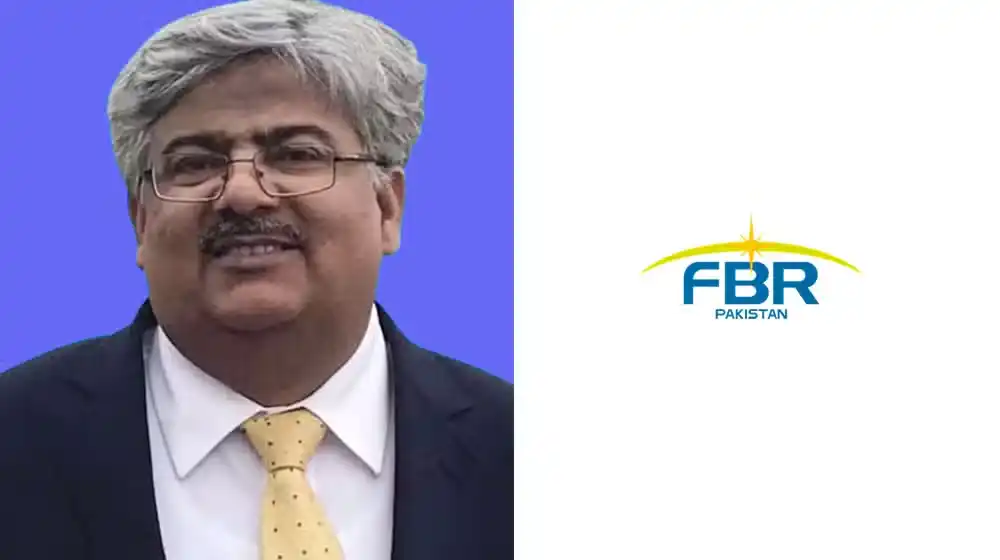
The Federal Board of Revenue (FBR) Chairman, Rashid Mahmood Langrial, has confirmed that the government is planning to abolish the Super Tax gradually to reduce the financial burden on large companies, multinational firms, and high-turnover businesses. This announcement was made during the second day of the Pakistan Business Council’s economic dialogue, where senior officials discussed tax reforms, economic stabilization, and revenue challenges.
This new development has brought attention from industries across Pakistan, especially those operating in manufacturing, services, banking, telecom, healthcare, retail, and energy sectors — many of which have long argued that the Super Tax and high corporate tax rates weaken Pakistan’s competitiveness.
Below is a complete breakdown of the announcement, its effects, background, and what businesses can expect next.
Read Also: Breaking News: NADRA Launches Online Biometric Verification for Islamabad Vehicle Transfers
What Is the Super Tax in Pakistan?
The Super Tax is an additional tax imposed on high-earning companies and individuals. It was introduced to help the government increase revenue during financial crises.
It applies mainly to:
- Large corporations
- High-turnover companies
- Multinational firms
- Banks and financial institutions
- Energy and telecom companies
Businesses have repeatedly stated that the Super Tax increases their operational costs and discourages investment.

Government’s Plan to Abolish Super Tax
Speaking at the economic dialogue, FBR Chairman Langrial said the government will remove the Super Tax in stages, instead of eliminating it at once. This will reduce the shock to the economy and maintain revenue stability.
Why Phase-Wise Abolishment?
- Pakistan is facing a revenue deficit
- Removing the tax instantly would reduce government income
- Gradual reduction helps maintain the tax-to-GDP target
- Allows time for alternative revenue sources
Langrial emphasized that Pakistan’s corporate sector is over-taxed and needs relief to remain competitive in global markets.

Why the Government Wants to Reduce High Corporate Taxes
The FBR chairman openly admitted that Pakistan’s manufacturing and corporate sectors are burdened with multiple overlapping taxes, affecting their productivity and profitability.
Businesses currently face:
- Corporate tax
- Super tax
- Minimum turnover tax
- Withholding taxes
- Sales tax on input and output
- Provincial service taxes
This combination increases the cost of doing business and discourages new investments.

Concerns Raised by the Business Community
During the dialogue, many business leaders shared their concerns:
1. High Tax Rates
Pakistan has one of the highest combined corporate tax rates in the region. This makes it harder for local industries to compete with international players.
Read Also: Breaking News: DigiSkills Launches 2nd Batch of Free Online Courses 2025 – Apply Before 2 December
2. Cash-Based Economy
The FBR chairman highlighted that over 90% of hospitals in Pakistan accept only cash, which makes it difficult for authorities to track income.
3. Low Tax Filing by High-Earning Professionals
Langrial shared shocking numbers:
- Only 150,000 doctors are registered with the FBR
- Their reported tax payments are extremely low
- Many earn over 1 million rupees per month but pay only Rs. 2 million per year in taxes
This exposes the weak tax compliance in high-profit sectors.
4. Need for Tax Rationalization
Industries want predictable and fair taxation policies so they can plan long-term investments.

How Will Abolishing the Super Tax Help Businesses?
1. Increased Investments
Lower taxes make Pakistan more attractive for foreign and local investors.
2. Encouragement for Expansion
Companies will be able to reinvest savings into their operations, increasing production.
3. Job Creation
Industries that were shrinking due to high taxes may start hiring again.
4. Boost to Exports
Competitive tax rates can help Pakistani companies compete in global markets.
5. Strengthening the Stock Market
Investors are expected to show renewed confidence in corporate sectors.
Impact on Large Companies and Multinationals
Some sectors that will benefit the most include:
- Banks
- Telecom companies
- Cement industries
- Oil & gas firms
- Automobile manufacturers
- Textile exporters
- FMCG companies
- Pharmaceutical sector
These industries have consistently argued that high taxes reduce profitability and discourage global partnerships.
Government’s Goal: Increase Tax-to-GDP Ratio to 18%
Langrial said the government has finalized a roadmap to raise the tax-to-GDP ratio from the current level to 18% by FY28.
How will the government achieve this?
✔ Expanding tax net
✔ Digital monitoring of invoices
✔ Blocking cash-based loopholes
✔ Bringing professionals (doctors, lawyers) into the tax system
✔ Integrating POS systems nationwide
✔ Strengthening enforcement through technology
The goal is to increase revenue without unnecessarily increasing taxes on compliant taxpayers.
Focus on Doctors, Clinics, and Hospitals
The FBR Chairman revealed some major issues in Pakistan’s healthcare sector:
Key Points
- Over 90% of hospitals run cash-only systems
- Many high-earning doctors do not declare actual income
- Clinics avoid paying sales tax
- Hospitals rarely deposit taxes electronically
To improve transparency, the government will now:
✔ Enforce POS integration
✔ Link hospitals with FBR digital systems
✔ Monitor large clinics through data tools
✔ Impose penalties for non-compliance
This could significantly increase Pakistan’s tax revenue.
Business Community Reacts Positively
Industry experts welcomed the government’s commitment to reduce the tax burden. They said:
- Abolishing Super Tax will restore business confidence
- Pakistan will become more competitive in the region
- Foreign investors will find Pakistan a stable marketplace
- Corporate growth will improve economic stability
Many chambers of commerce, including the Pakistan Business Council, have been calling for such reforms for years.
Why Frequent Tax Changes Hurt Pakistan
Pakistan’s tax policies change almost every year due to:
- IMF agreements
- Budget adjustments
- Political instability
- Revenue shortfalls
These rapid changes make it hard for companies to plan long-term strategies. A stable taxation system is essential for economic growth.
Expected Timeline for Complete Abolishment
While no exact timeline has been publicly released, the FBR Chairman hinted that:
- Reduction may start from the next federal budget
- Gradual cuts will follow over 2–3 years
- Final abolishment depends on fiscal space and IMF negotiations
If Pakistan’s revenue base expands successfully, the government will be able to eliminate the Super Tax sooner.
Read Also: Breaking News: NADRA Launches Online Biometric Verification for Islamabad Vehicle Transfers
Conclusion About Super Tax in Pakistan 2025:
The government’s decision to gradually abolish the Super Tax is a major development for Pakistan’s corporate sector. It shows that authorities finally recognize the need to support large industries, improve competitiveness, and attract new investments.
Frequently Asked Questions (FAQs)
1. What is the Super Tax in Pakistan?
The Super Tax is an additional tax imposed on high-earning companies, multinationals, banks, and industries with large turnovers. It was introduced to increase government revenue but has been criticized for increasing the corporate tax burden.
2. Why is the government planning to abolish the Super Tax?
According to the FBR Chairman, the Super Tax is discouraging investment, making Pakistani industries less competitive, and placing an unfair burden on large companies. The government aims to gradually remove it to encourage business growth.
3. How will the Super Tax be abolished?
The government will remove the Super Tax in multiple phases, depending on fiscal space. Each year, a portion of the Super Tax will be reduced until it is fully eliminated.
4. Who will benefit the most from the abolition of the Super Tax?
Large corporate entities, multinational companies, export industries, and businesses with high turnover will benefit significantly, as it reduces their annual tax liability.
5. How will removing the Super Tax affect Pakistan’s economy?
Experts say abolishing the Super Tax could boost investment, enhance competitiveness, attract foreign investors, and increase industrial output. However, the government must find alternative revenue sources to avoid budget deficits.