
Prof. Dr. Zia Ul Haq Assumes Charge of Executive Director HEC – Full Profile, Achievements & Future Vision
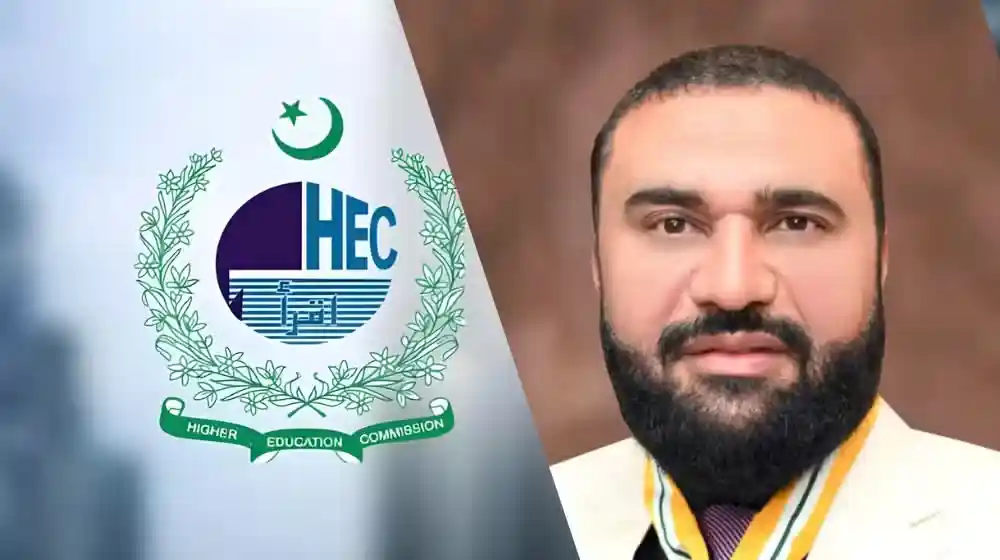
The Higher Education Commission (HEC) of Pakistan has entered a new chapter as Prof. Dr. Zia Ul Haq officially assumes the charge of Executive Director (ED). His appointment has been welcomed by academics, researchers, students, and policymakers across Pakistan. Known for his strong leadership, reform mindset, and global academic recognition, Dr. Zia Ul Haq is expected to bring major improvements to Pakistan’s higher education structure.
In this detailed article, we cover his background, achievements, credentials, reforms expected at HEC, challenges ahead, and the impact of his leadership. We also include Google-searched keywords, FAQs, and Rank Math–optimized SEO details.
Who Is Prof. Dr. Zia Ul Haq? – Background & Early Career
Prof. Dr. Zia Ul Haq is widely recognized as one of Pakistan’s most distinguished academicians and public health experts. Before joining HEC as Executive Director, he served as the Vice Chancellor of Khyber Medical University (KMU), Peshawar, for six transformative years.
He started his academic journey with an MBBS from Khyber Medical College, followed by a PhD in Public Health from the prestigious University of Glasgow, UK. His global exposure, strong academic training, and leadership experience make him one of the most qualified individuals to lead the country’s top higher-education authority.

International Recognition – Ranked Among Top 2% Scientists in the World
One of the most remarkable achievements of Dr. Zia Ul Haq is his inclusion in the global list of the top 2% scientists, published by Stanford University (USA). This ranking uses standardized citation indicators and verified scientific data, highlighting researchers who make meaningful contributions to global knowledge.
This recognition places Dr. Zia Ul Haq among the world’s most impactful medical and public health researchers, making his appointment to HEC even more significant.
Read Also: Breaking News: Punjab Launches CM Meal Program for School Children

Awards & National Honors
Dr. Zia Ul Haq’s contribution to healthcare, public health policy, academic reforms, and research excellence earned him the prestigious Sitara-i-Imtiaz. He received this national honor from the President of Pakistan on March 23, 2025.
Such recognition reflects his commitment to:
- advancing scientific research
- strengthening medical education
- improving public health systems
- building high-quality academic institutions

Leadership at Khyber Medical University – A Model of Success
During his six years as Vice Chancellor, KMU experienced record progress in governance, academic performance, and institutional growth.
Major achievements under his leadership include:
1. Improved Governance & Institutional Stability
Dr. Zia streamlined administrative systems, introduced transparent financial practices, and strengthened university governance mechanisms.
2. Remarkable Growth in Research Output
With 105 international research publications, KMU became one of the leading research universities in Pakistan.
3. Record Research Funding
He secured over Rs. 5 billion in competitive national and international research grants — an extraordinary achievement for a medical university.
4. Expansion of Academic Programs
Under his leadership, KMU launched several new programs, centers, and research initiatives across public health, allied health sciences, and medical technology.
5. Collaboration with National & International Institutions
Dr. Zia established strong partnerships with leading universities, research centers, hospitals, and global organizations.
His leadership at KMU is considered a model for how universities can be transformed with the right vision and commitment.

Role in Higher Education Policy – Member of Key Government Committees
Dr. Zia Ul Haq also played a major role in shaping higher education strategies in Khyber Pakhtunkhwa as the Convener of the Higher Education Task Force, established by the Chief Minister of KP.
His insights helped guide reforms for:
- university governance
- academic standards
- research quality
- financial sustainability
- faculty development
This experience will be extremely valuable as he takes charge of HEC.
Read Also: Latest News: Gold Price in Pakistan Records Massive Single-Day Rise
Challenges Waiting for the New Executive Director of HEC
Pakistan’s higher education sector is facing serious structural challenges. With limited budgets, rising student demand, and global competition, the role of HEC ED is more important than ever.
Below are the major challenges Dr. Zia is expected to address:
1. Financial Crisis in Universities
Many public universities are struggling with budget shortages, salary delays, and poor financial management.
2. Quality of Education
HEC needs improved accreditation systems, updated curricula, and stronger teaching standards.
3. Research Output
Pakistan’s research visibility must improve, with more funding, labs, and international collaborations.
4. Technology Integration
Universities require digital transformation, including LMS systems, e-libraries, smart classrooms, and AI-based learning tools.
5. Governance & Accountability
There is a strong need to improve governance, reduce political interference, and promote transparent procedures.
6. Brain Drain
Many talented graduates and researchers leave Pakistan due to lack of opportunities.
Dr. Zia’s credentials and leadership experience make him highly capable of addressing these issues.
What Reforms Are Expected Under Dr. Zia Ul Haq?
Education experts and stakeholders expect several reforms under his tenure:
1. Stronger Research Ecosystem
He is expected to improve research funding, encourage quality publications, and support innovation-driven projects.
2. Better University Governance
Transparent systems, professional management practices, and audit reforms may be introduced.
3. Digital Transformation of Higher Education
HEC is expected to invest in:
- digital campuses
- online learning platforms
- AI-based support systems
- blended learning models
4. Support for Faculty Development
Scholarships, training programs, and international collaborations may be expanded.
5. Improved Quality Assurance
HEC will likely strengthen monitoring and quality checks for all universities.
6. Focus on Innovation & Job Creation
HEC may push universities toward entrepreneurship, startup incubation, and skill-based learning programs.
Why Dr. Zia’s Appointment Matters for Pakistan
His appointment brings hope because he combines:
✔ academic excellence
✔ administrative experience
✔ global recognition
✔ strong leadership track record
✔ commitment to public service
Stakeholders believe he will play a decisive role in resolving long-standing issues in the higher education sector.
Read Also: Breaking News: Federal Constitutional Court Announces Winter Holidays Schedule
Impact on Students & Universities
For students:
- better degrees
- improved career opportunities
- modern classroom facilities
- more scholarships
- stronger university reputation
For universities:
- improved governance
- more research grants
- international partnerships
- enhanced ranking and credibility
For Pakistan:
- stronger human capital
- improved global competitiveness
- more innovation and economic growth
Frequently Asked Questions (FAQ)\
1. Who is the new Executive Director of HEC?
Prof. Dr. Zia Ul Haq has been appointed as the new Executive Director of the Higher Education Commission.
2. What is Dr. Zia Ul Haq known for?
He is recognized among the world’s top 2% scientists, with over 105 research publications and Rs. 5 billion in research funding.
3. What degrees does he hold?
He completed MBBS from Khyber Medical College and a PhD in Public Health from the University of Glasgow.
4. What awards has he received?
He was awarded the Sitara-i-Imtiaz in 2025 for his services in education and health.
5. What changes can we expect in HEC?
Improved governance, better research funding, digital transformation, and stronger quality assurance systems.