Finance Minister Pledges “Pakistan First” Approach for 11th NFC Award Talks – Full Details & Economic Updates
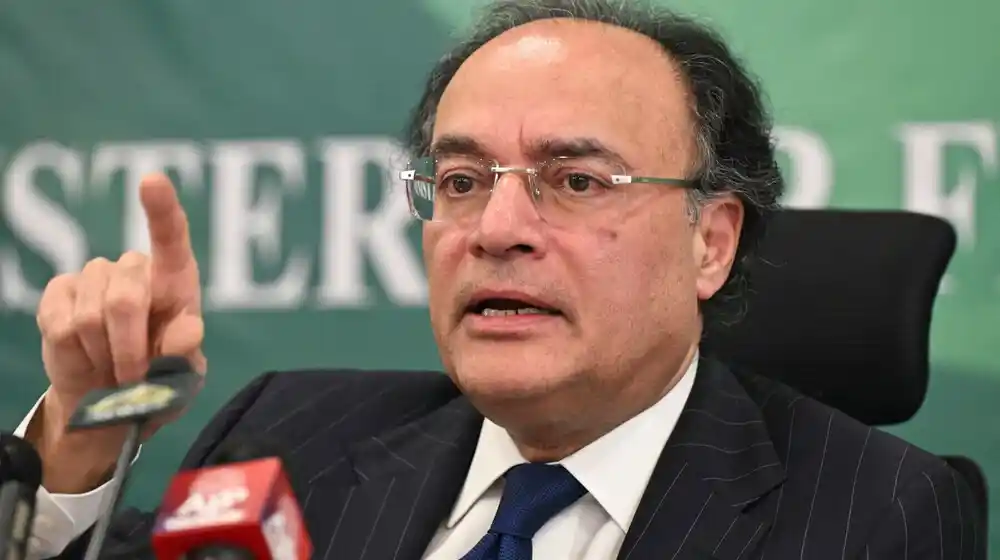
Pakistan is heading toward one of the most important financial discussions of the decade — the 11th National Finance Commission (NFC) Award. Days before the scheduled meeting, Federal Minister for Finance Senator Aurangzeb announced that the entire process will move forward with a “Pakistan First” approach, focusing on cooperation, national unity, and long-term economic stability.
The Finance Minister made these remarks during a press conference in Islamabad, where he highlighted the government’s priorities, upcoming economic reforms, IMF-related commitments, industry concerns, future investment plans, and key achievements in the past year.
This article covers the full details in simple English, with Google-searched keywords such as NFC Award 2025, Pakistan finance news, IMF tranche Pakistan, Reko Diq financial close, Panda Bond Pakistan, and Pakistan economic reforms.
Check Also: Gold Price in Pakistan Today 19 November 2025 – Latest 24K & 22K Prices Updated
What Is the 11th NFC Award and Why It Matters
The NFC Award determines how financial resources are distributed between the federation and provinces. It affects:
- Federal and provincial budgeting
- Development funds
- Health and education spending
- Social protection programs
- Provincial autonomy
- National financial stability
Because of its importance, the upcoming meeting is highly anticipated across Pakistan, especially by economists, policymakers, and provincial governments.
Finance Minister Aurangzeb assured that the government wants a fair and transparent financial agreement that strengthens the entire federation.
“Pakistan First Approach” – The Core Message
During the press briefing, the Finance Minister repeatedly emphasized one message:
The 11th NFC Award will prioritize Pakistan’s collective interest.
He clarified that all provincial representatives — Chief Ministers, Finance Ministers, and appointed members — will be consulted. Working groups will be formed under the Terms of Reference (TORs), ensuring that:
- Everyone is heard
- Discussions remain open
- A cooperative environment is maintained
- Consensus remains the primary goal
He said the spirit behind Pakistan’s original national financial agreement should guide the 11th NFC Award as well.
IMF Approval and Upcoming Tranches
Another important update was regarding Pakistan’s commitments under the IMF programme. The minister confirmed that:
- The IMF Board’s upcoming approval will release two tranches for Pakistan
- One tranche is related to climate-resilience performance targets
- The second tranche is part of the regular loan programme
He said Pakistan intends to stay fully compliant with IMF rules to maintain economic stability.
Google-searched keyword included: IMF tranche Pakistan 2025.
Government Monitoring Growth Indicators
To ensure economic stability, the government is closely examining:
- Balance of Payments
- Current Account
- Exports
- Imports
- Remittances
These factors are being reviewed every month to prevent financial slippages and avoid another boom-and-bust cycle. The minister said:
“We must remember where Pakistan stood 2.5 years ago when unnecessary items were being imported freely. We cannot go back to that situation.”
Reko Diq Project – A “Game Changer”
A major announcement during the press conference was the $3.5 billion financial close of the Reko Diq project.
He called it:
“A game-changer for Pakistan.”
According to the minister:
- The project will bring billions in foreign investment
- It will boost the mining sector
- It will create thousands of jobs
- It will improve Pakistan’s global investor confidence
This news is highly relevant for sectors like mining, minerals, and international investment.
Check Also: Gold Rate in Pakistan History (1947–2025): 24K Gold Price Trends & Investment Insights
Export Development Surcharge Abolished
Another major decision was the complete abolition of the Export Development Surcharge.
Private industry had demanded its suspension, but Prime Minister Shehbaz Sharif went further and ended the surcharge entirely, giving relief to exporters.
This move is expected to:
- Reduce export costs
- Improve competitiveness
- Encourage more export-led growth
Industry Concerns: High Taxes, Energy Tariffs & Interest Rates
The Finance Minister acknowledged that Pakistan’s industries face several challenges:
- High taxes
- High electricity tariffs
- High gas prices
- High interest rates
He assured industries that:
- The policy rate will be gradually reduced
- Work is underway to reduce energy tariffs
- Tax reforms will ease pressure on the salaried and formal sectors
He warned that Pakistan cannot continue operating on an extremely low 8–9% tax-to-GDP ratio. Provinces must contribute more.
Privatization, State-Owned Enterprises & Financial Discipline
Another critical subject discussed was privatization.
He said past privatized entities have performed better. The government plans to privatize more institutions because:
- The government spends more than Rs. 1 trillion annually to support failing SOEs
- PWD, PASSCO, Utility Stores, and others are already closed
- Future privatizations will protect workers’ dignity and ensure adequate compensation
This is part of a long-term plan to reduce losses and improve government spending efficiency.
Debt Situation and Panda Bonds
The Finance Minister clarified that Pakistan’s debt has not increased, and interest payments have gone down due to a reduction in policy rates.
One of the most important financial developments he mentioned was the upcoming Panda Bond issuance expected in December 2025.
He called it:
“A highly significant step. Pakistan should have entered China’s financial market 10 years ago.”
Panda Bonds will help:
- Reduce borrowing costs
- Strengthen foreign exchange reserves
- Diversify financing sources
This topic is trending in Pakistan finance search queries.
Foreign Investment Increasing Across Pakistan
The minister highlighted that foreign companies are showing renewed interest in Pakistan. In the last 12–18 months:
- Dozens of foreign companies invested in Pakistan
- Major sectors include IT, energy, minerals, and manufacturing
- Over a dozen more foreign companies are expected soon
He said if local companies start producing import-substitute goods, it will transform Pakistan’s economy.
Tax Policy Office Now Active
A major structural reform is the creation of the Tax Policy Office (TPO), which is:
- Now fully operational
- Independent from FBR
- Responsible for preparing next year’s budget
- Supported by an advisory board that includes private-sector members
This change aims to bring long-term tax stability and remove short-term decision making from the FBR.
E-Procurement System Implementation
The Finance Minister announced successful implementation of the PPRA e-Procurement System, which is now connected to:
- FBR
- NADRA
- SECP
Key facts he shared:
- More than 9,000 government entities are linked
- Over 41,000 vendors are registered
- Includes 6,000 foreign vendors
- The system will increase transparency
- It will reduce corruption
- It will make procurement faster
He also promised to review concerns about non-public procurement data.
Key Economic Sectors Showing Growth
In the first four months of the current fiscal year, several major sectors have grown:
| Sector | Growth Rate |
|---|---|
| Cement | 16% |
| Fertilizers | 9% |
| Petroleum | 4% |
| Automobiles | 31% |
| Mobile Phone Production | 26% |
| Large-Scale Manufacturing (LSM) | 4.1% |
The minister said this upward trend must continue for Pakistan to achieve sustainable economic recovery.
NFC Meeting: Provinces Will Be Fully Involved
The minister confirmed that all provincial leaders will be respected and welcomed at the upcoming NFC meeting. The forum will:
- Allow open discussion
- Form working groups
- Encourage transparency
- Ensure national interest over politics
This approach is expected to strengthen trust between the centre and provinces.
Check Also: Elektra Metro Becomes Pakistan’s Cheapest EV in 2025 – Updated Price & Booking Info
Conclusion About 11th NFC Award 2025:
The Finance Minister’s press conference highlighted a broad range of economic developments. His “Pakistan First” approach to the 11th NFC Award reflects the government’s commitment to national unity, fiscal discipline, and economic reforms. From IMF tranches and export relief to privatization, foreign investment, tax reforms, and sector-wise growth, Pakistan is moving toward a more stable economic direction.
The upcoming 11th NFC Award will be a crucial moment for the federation, and the government hopes it will be finalized with mutual agreement and shared responsibility
Frequently Asked Questions (FAQs)
1. What is the 11th NFC Award in Pakistan?
The 11th NFC Award is the financial agreement that decides how money is shared between the federal government and the provinces. It affects development budgets, social programs, and economic planning across Pakistan.
2. What does “Pakistan First” approach mean for the NFC Award?
The “Pakistan First” approach means that all provinces and the federal government will work together, avoid political conflict, and focus on long-term national interests instead of personal or party agendas.
3. Who will participate in the 11th NFC Award meeting?
All Chief Ministers, Provincial Finance Ministers, and representatives of the NFC Commission will participate. Working groups will also be formed under approved TORs for deeper consultations.
4. What did the Finance Minister say about IMF tranches?
The Minister confirmed that after IMF Board approval, Pakistan will receive two tranches—one linked to climate-resilience goals and the other under the regular IMF loan programme.
5. What is the significance of the Reko Diq project’s financial close?
The $3.5 billion financial close of the Reko Diq project is considered a “game-changer” because it brings foreign investment, strengthens the minerals sector, and boosts economic confidence in Pakistan.