Petrol Drops by Rs2 — New Petrol Price in Pakistan from 01 December 2025
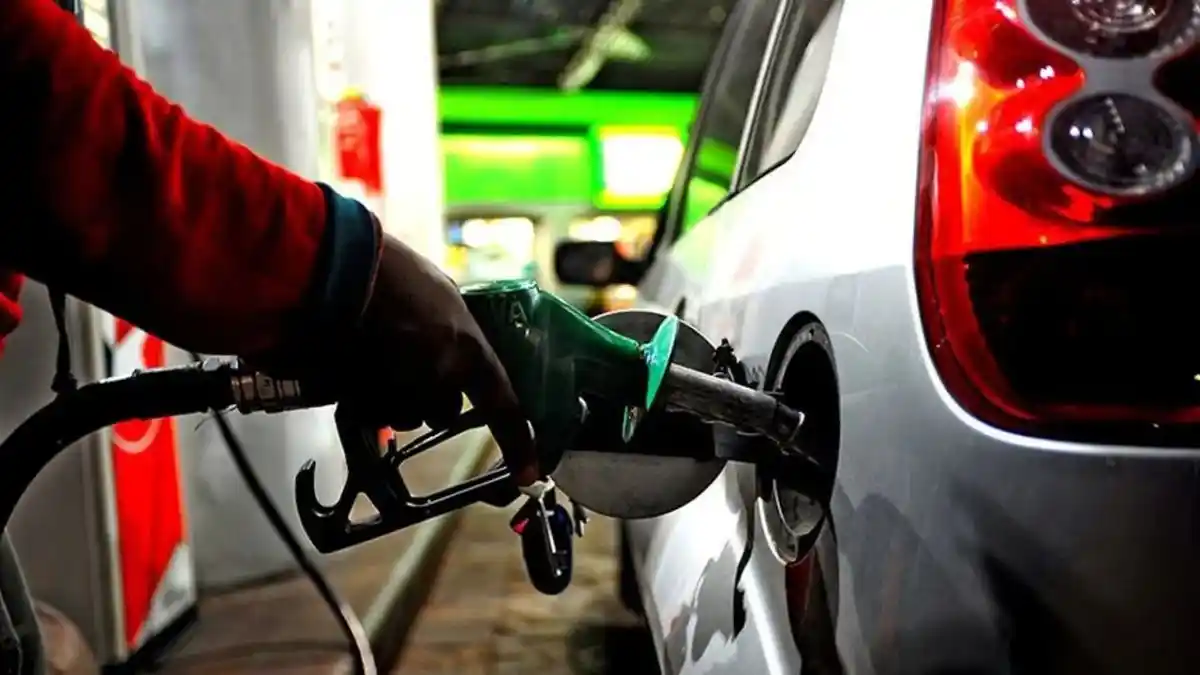
Pakistanis will see some financial relief this month as the government has officially reduced the prices of major petroleum products for the next fifteen days. Beginning 1 December 2025, petrol and high-speed diesel (HSD) will be cheaper nationwide following the Oil and Gas Regulatory Authority’s (OGRA) recommendation. This reduction is especially significant for people searching online for “petrol price in Pakistan today,” “new petrol price December 2025,” “petrol price update,” “diesel price Pakistan,” and “OGRA petroleum rates.”
Fuel prices directly affect transportation, agriculture, logistics, and overall household expenses. A small decrease can bring noticeable ease to millions of consumers, transporters, ride-hail drivers, farmers, and industries. This article explains the new petrol price, diesel price impact, government policy, cost comparison, and what the reduction means for everyday Pakistanis.
Check Also: Elektra Metro Becomes Pakistan’s Cheapest EV in 2025 – Updated Price & Booking Info
New Petrol and Diesel Prices Effective from 1 December 2025
The Ministry of Finance has announced the updated petroleum prices for the fortnight starting 01-12-2025. The revised rates include noticeable reductions in both major fuels: Petrol (Motor Spirit) and High-Speed Diesel (HSD). These new rates will remain in effect until the next review.
New Petroleum Prices in Pakistan
| Product | Old Price (Rs per litre) | New Price (Rs per litre) | Change |
|---|---|---|---|
| High Speed Diesel | 284.44 | 279.65 | Reduced by 4.79 |
| Motor Spirit (Petrol) | 265.45 | 263.45 | Reduced by 2.00 |
Millions of people track these numbers daily, often searching for “Pakistan petrol price today,” “diesel price update,” “petrol rate drop,” and “government fuel prices Pakistan.”

Why Petrol and Diesel Prices Dropped in December 2025
Fuel prices in Pakistan are adjusted every 15 days based on international oil market trends, rupee-dollar exchange rate, inland freight charges, and taxes. The latest decrease is linked to multiple factors.
1. Decline in Global Oil Prices
International oil prices saw a slight downward correction due to:
- Increased global supply
- Reduced winter demand in some regions
- Market stability after geopolitical concerns eased
When global oil becomes cheaper, Pakistan’s import bill reduces, allowing OGRA to recommend price cuts.
2. Improved Exchange Rate Stability
A more stable rupee helps the government reduce fuel prices because:
- Imports become cheaper
- Dollar payments decline
- Refinery and logistics adjustments cost less
3. Lower Premium for POL Products
International suppliers reduced premiums on imported petroleum products, giving additional space for a reduction.
4. Government’s Relief Strategy
Ahead of winter, the government aims to ease inflationary pressure on:
- Transporters
- Daily commuters
- Middle-income families
- Farmers using diesel equipment

Impact of Petrol Price Reduction on Pakistani Consumers
A Rs2 decrease in petrol may seem small, but for daily commuters and ride-hailing drivers, it adds up quickly.
Who Benefits from Cheaper Petrol?
- Motorbike riders (70% of total traffic)
- Car users and families
- Ride-hailing drivers (Careem, Uber, inDrive)
- Delivery riders
- Intercity travelers
A few rupees per litre can save hundreds of rupees monthly.
Impact of Diesel Price Reduction on Transport, Logistics, and Agriculture
Diesel is more important than petrol in terms of economic impact. The Rs4.79 per litre reduction affects the entire supply chain.
1. Goods Transport & Supply Chain
Lower diesel prices reduce:
- Truck freight charges
- Intercity goods movement cost
- Wholesale and retail product prices
This can help stabilize inflation.
2. Agriculture Sector
Farmers use diesel for:
- Tube wells
- Tractors
- Harvesters
- Field machinery
A Rs5 drop per litre eases their production costs.
3. Public Transport Fares
Buses, vans, and wagons rely heavily on diesel. This reduction may support:
- Fare stability
- Lower operational costs
- Reduced pressure on commuters

Full Tank Cost Comparison for December vs November 2025
Here’s how much consumers save when filling up a full tank in December compared to November.
Full Tank Cost Comparison
| Car Model | Tank Capacity (L) | Cost in December (Rs) | Cost in November (Rs) | Savings (Rs) |
|---|---|---|---|---|
| Suzuki Alto | 27 | 7,113.15 | 7,167.15 | 54.05 |
| Suzuki Mehran | 30 | 7,903.50 | 7,963.50 | 60 |
| Toyota Yaris | 42 | 11,064.90 | 11,148.90 | 84 |
| Toyota Corolla | 50–55 | 13,172.50 – 14,489.75 | — | — |
This table clearly shows how fuel cost changes impact daily and monthly travel budgets.
How Petrol Price Affects Everyday Life in Pakistan
Petrol prices influence nearly every sector in the country.
1. Household Budget
Lower fuel prices reduce:
- Grocery transport charges
- Ride-hailing fares
- Shopping and commute expenses
2. Inflation and Utility Costs
Diesel price reduction supports:
- Affordable goods transportation
- Controlled food prices
- Lower vendor costs
3. Job Market & Delivery Sector
Delivery riders and transport workers see:
- Better margins
- Fewer fuel expenses
- Improved monthly savings
Check Also: Alektra EV Online Booking Starts in Pakistan – Secure Your Metro & REX Models
Why Fuel Price Updates Matter to Citizens
Every time petroleum prices change, millions of people quickly search for:
- “petrol price today Pakistan”
- “diesel price notification”
- “new fuel rates December 2025”
- “OGRA summary petrol”
- “petrol price in Lahore Karachi Islamabad”
These updates help people plan:
- Monthly budgets
- Long trips
- Delivery operations
- Business costs
Government’s Long-Term Fuel Strategy
The government aims to stabilize petroleum prices by:
- Increasing storage capacity
- Supporting local refineries
- Reducing dependence on imported oil
- Promoting EVs (electric vehicles)
- Strengthening OGRA’s monitoring system
Pakistan is also exploring cleaner fuels and alternative energy options to reduce the impact of global oil market fluctuations.
Expected Fuel Price Trend for December–January 2025
If global oil prices remain stable, Pakistan may continue to see:
- Slight price reductions
- Stable exchange rate impact
- Lower import premium costs
However, if global tensions rise or oil demand increases in winter, prices may increase again in the next review.
Conclusion About New Petrol Price December 2025:
The government’s decision to cut petrol by Rs2 and diesel by Rs4.79 per litre from 1 December 2025 brings much-needed relief to the public. This reduction will help:
- Daily commuters
- Farmers
- Transporters
- Logistics companies
- Ride-hailing drivers
Fuel price cuts may not completely solve inflation problems, but they offer meaningful support to millions of people facing rising costs. As global markets evolve, Pakistan’s fuel prices will continue to adjust—but for now, consumers can enjoy a lighter fuel bill.
Check Also: Gold Rate in Pakistan History (1947–2025): 24K Gold Price Trends & Investment Insights
Frequently Asked Questions (FAQ)
1. What is the new petrol price in Pakistan from 01 December 2025?
The new petrol price in Pakistan from 1 December 2025 is Rs263.45 per litre, reduced by Rs2 compared to the previous rate.
2. What is the new diesel price in Pakistan?
High-Speed Diesel (HSD) has dropped to Rs279.65 per litre, showing a reduction of Rs4.79 per litre for the next fortnight.
3. Why did the government reduce fuel prices in December 2025?
Fuel prices were reduced due to lower international oil rates, stable exchange rate conditions, and recommendations from OGRA based on import costs and global market trends.
4. How do lower diesel prices benefit the public?
Diesel is widely used in transport, agriculture, and goods movement. A drop in diesel price reduces freight charges, farm machinery costs, and operational expenses for public transport.
5. Will petrol and diesel prices remain the same all month?
No. Petrol and diesel prices are revised every 15 days in Pakistan. The next review will depend on global oil prices and rupee-dollar exchange rates.