PM Announces Live Broadcast of PIA Bidding Process on December 23 – Transparency, Global Routes & Economic Reforms Highlight Agenda
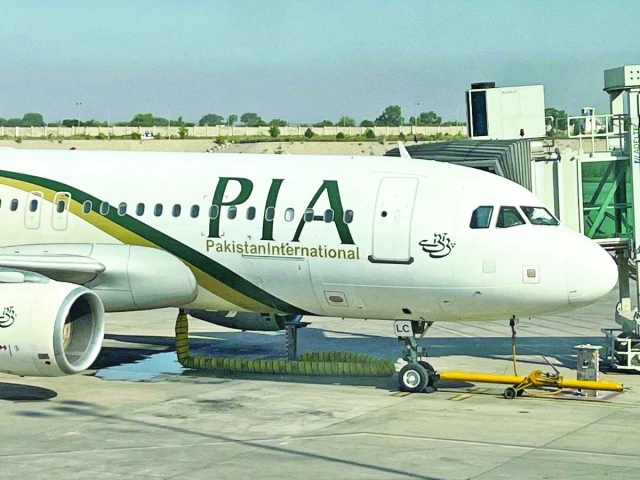
Prime Minister Shehbaz Sharif has officially announced that the Pakistan International Airlines (PIA) bidding process on December 23, 2025, will be televised live across national media. This landmark decision reflects the government’s resolve to ensure transparency, good governance, international aviation reforms, and a stable future for Pakistan’s national flag carrier.
This article provides a deep-dive analysis of the announcement, its impact on overseas Pakistanis, the importance of restoring global routes, and how the government plans to support industrial growth through tariff reforms.
1. Live Broadcast: A Historic Move Toward Transparent Privatisation
Prime Minister Shehbaz Sharif announced that for the first time in Pakistan’s history, the complete PIA bidding process will be aired live on all TV channels. This is aimed at ensuring:
- Zero corruption
- Merit-based selection
- Public confidence
- Fair evaluation of bidders
The PM emphasized:
“The entire bidding on December 23 will be aired live so that the nation can witness the process firsthand.”
This transparency-focused approach strengthens Pakistan’s reform image at a time when global investors demand accountability and openness.
Check Also: Poorest Districts in Pakistan 2025 – New Report Shows 17 Out of 20 Are in Balochistan

2. Why PIA Privatisation Is Important for Pakistan’s Economy
The privatisation of PIA is a major decision due to several long-standing issues:
- Years of financial losses
- Declining global reputation
- Suspension of major international routes
- Weak operational structure
- Increasing competition from foreign airlines
Privatisation is expected to:
- Reduce the financial burden on the national treasury
- Improve customer experience
- Restore global route access
- Attract foreign investment
- Modernize Pakistan’s aviation industry
The PM highlighted that a “smooth and credible transition” is vital for restoring PIA’s reputation as a safe, efficient, and reliable airline.
Check Also: Gold Price in Pakistan Today 18 November 2025 – Latest 24K & 22K Prices Updated

3. Restoring Global Routes – A Major Relief for Overseas Pakistanis
During the meeting, the Prime Minister stressed the importance of restoring global connectivity, especially for the Pakistani diaspora.
Millions of overseas Pakistanis living in:
- Saudi Arabia
- UAE
- Qatar
- UK
- EU
- Canada
- USA
depend on efficient and affordable air travel. Loss of routes in recent years increased travel hardships and raised ticket prices.
The PM said:
“Restoring PIA’s global routes would greatly benefit overseas Pakistanis by providing reliable connectivity.”
Once restored, these routes can significantly contribute to:
- Better mobility
- Boosting foreign remittances
- Supporting tourism
- Strengthening trade relations
- Enhancing Pakistan’s global aviation presence

4. PIA’s Revival & Modern Aviation Standards
The government aims to transform PIA into a modern, competitive airline. Key priorities include:
- Upgrading aircraft fleet
- Improving safety standards
- Enhancing passenger services
- Training aviation staff
- Introducing advanced digital systems
- Reducing delays and cancellations
The PM said PIA must meet global aviation standards to regain its credibility.
He further expressed optimism, stating:
“InshaAllah, PIA will once again live up to its old slogan — ‘Great People to Fly With’.”

5. Bidders & Business Leaders Praise Privatisation Framework
The meeting at the Prime Minister’s House was attended by:
- All qualified bidders
- Senior ministers
- Advisors and cabinet officials
- Representatives from top business groups
Participants praised the government for a transparent, structured, and highly professional privatisation mechanism.
Some of the high-profile attendees included:
- Ishaq Dar
- Ahsan Iqbal Cheema
- Muhammad Aurangzeb
- Attaullah Tarar
- Azam Nazeer Tarar
- Sardar Owais Leghari
- Bilal Azhar Kayani
- Haroon Akhtar
This shows the government’s seriousness and collective efforts to make the process successful.
Check Also: Breaking: NADRA Announces Intelligence Officer Jobs 2025 Across Pakistan – City-Wise Vacancies
6. National Tariff Policy: Government Moves to Reduce Production Costs
In a separate meeting, Prime Minister Shehbaz Sharif reviewed the National Tariff Policy, which aims to support:
- Local industries
- Domestic manufacturing
- Export competitiveness
- Cost reduction in production
The PM said the government is implementing priority measures to reduce industrial production costs, helping businesses grow despite economic challenges.
7. Impact of Tariff Policy on Industry & Economy
The National Tariff Policy aims to:
- Reduce customs duties
- Lower import costs for raw materials
- Make Pakistani products more competitive globally
- Boost investment
- Enhance industrial output
- Create employment opportunities
The working group stressed that export-led economic growth is only possible when:
- Industrial production increases
- Infrastructure improves
- Investors receive government support
- Protection is provided to key sectors
The PM directed strict monitoring of customs duties on bilateral and transit trade goods to ensure accurate revenue collection.
8. Business Community Recommendations Recognized
Representatives from the business sector, including Muhammad Ali Tabba, shared detailed recommendations on:
- Customs reforms
- Tax challenges
- Trade facilitation
- Industrial protection
- Export incentives
The Prime Minister welcomed their suggestions and instructed all relevant ministries to:
- Support business community
- Facilitate investors
- Reduce unnecessary barriers
- Provide transparent regulatory systems
This reflects the government’s commitment to pro-business policies and a growth-driven economic model.
9. How PIA Privatisation and Tariff Reforms Link to Pakistan’s Long-Term Growth
Both major announcements — PIA privatisation and tariff reforms — are part of a broader economic strategy focused on:
- Increasing revenue
- Reducing losses
- Modernizing public institutions
- Strengthening international confidence
- Supporting industries
- Improving export performance
- Encouraging foreign investment
A modern national airline and competitive industrial policy are essential to strengthening Pakistan’s position in the global market.
10. What to Expect on December 23 – Live Bidding Day
The live broadcast will showcase:
- Bidders’ offers
- Evaluation process
- Transparent selection
- Committee participation
- Real-time updates for the public
This could become a historic moment, ensuring public trust in government reforms and setting a new benchmark for transparency in Pakistan.
FAQs PIA Bidding Live Broadcast 2025
1. Why is the PIA bidding being broadcast live?
To ensure transparency, fairness, and public trust in the privatisation process.
2. How will privatisation benefit overseas Pakistanis?
Restoring PIA’s global routes will improve travel options, reduce travel time, and offer affordable connectivity.
3. Which sectors benefit from the National Tariff Policy?
All industrial and export-driven sectors, including manufacturing, textiles, steel, chemicals, machinery, and technology.
4. What are the government’s goals from PIA privatisation?
Restore airline efficiency, improve global reputation, reduce financial losses, and modernize aviation services.
5. Will PIA employees be affected?
The government has assured that the transition will be smooth, and employees’ interests will be considered.