
Sindh Assembly Rejects JI Resolution to Increase E-Challan Fines — Sharjeel Memon Strongly Opposes
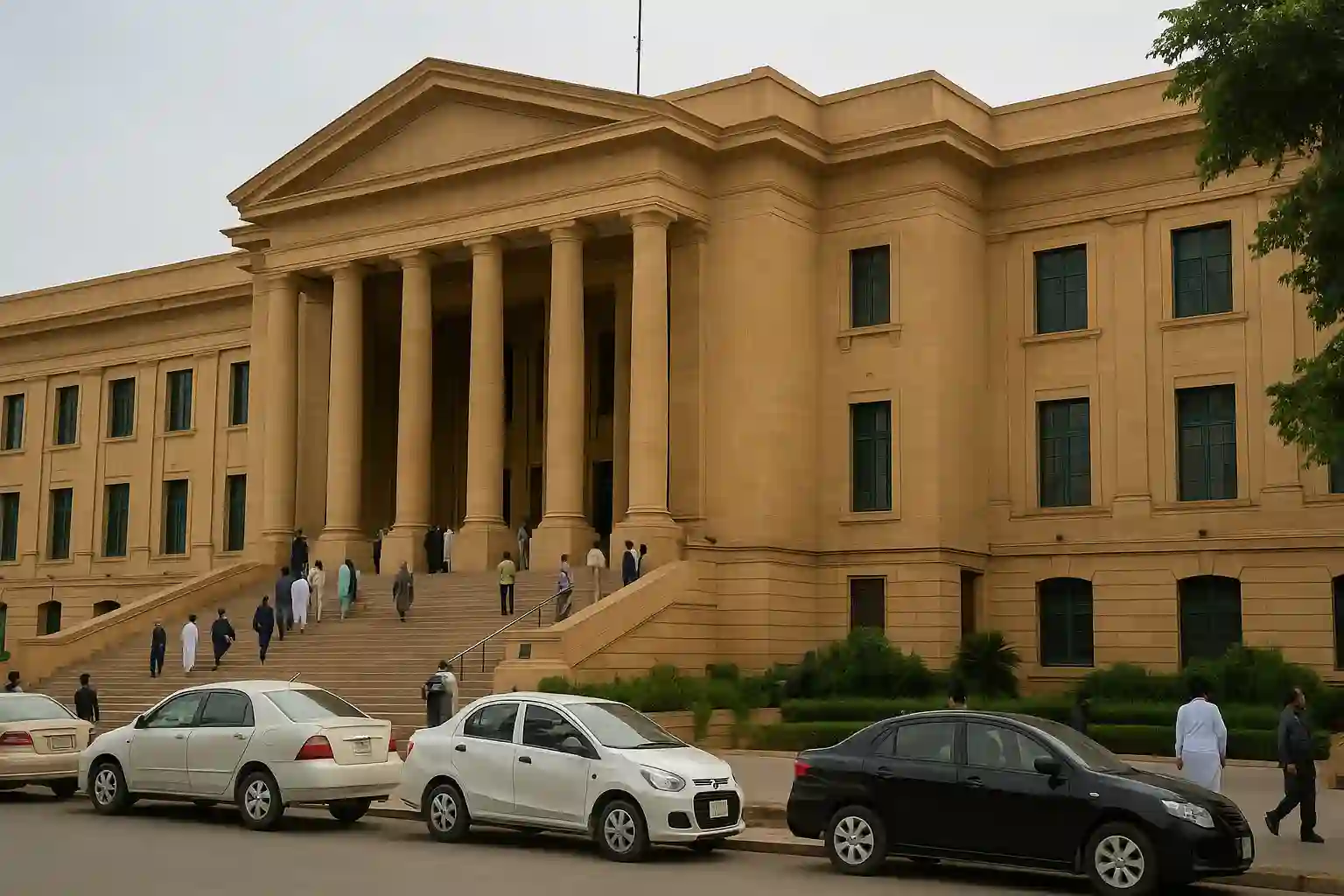
The Sindh Assembly on Thursday witnessed a heated debate as a resolution moved by Jamaat-e-Islami (JI) seeking an increase in e-challan fines was rejected outright. The proposal, which aimed to revise and raise traffic violation penalties in Sindh, was strongly opposed by Pakistan Peoples Party (PPP) senior leader and Provincial Minister Sharjeel Inam Memon, leading to its immediate dismissal.
This development comes at a time when the provincial government is already reviewing multiple road safety reforms and digital enforcement systems. However, the Assembly made it clear that increasing e-challan fines is not on the agenda—especially when the matter is already being examined in court.
JI’s Resolution Sparks Debate in Sindh Assembly
Jamaat-e-Islami introduced a resolution urging the provincial government to increase e-challan fines, arguing that higher penalties could help reduce violations and enforce better traffic discipline in major cities including Karachi, Hyderabad, and Sukkur.
However, the moment the resolution was presented, objections were raised by PPP lawmakers. The discussion quickly shifted from traffic reforms to procedural concerns about whether the Assembly could even consider a matter that is currently under judicial review.
Sharjeel Memon, one of the most vocal critics of the motion, emphasized that the resolution was not only inappropriate but also misleading.

Sharjeel Memon’s Objection — “Matter Is Already in Court”
Sharjeel Inam Memon strongly opposed the resolution, reminding the house that the issue of e-challan fines is already being heard in court. He questioned why a sub judice matter was being brought into the Assembly when legal proceedings were still ongoing.
He stated:
- “When the case is being considered by the court, how can we discuss or vote on it here?”
- “This resolution misguides the Assembly. It should never have been presented in the first place.”
Memon added that while traffic fines in Punjab are lower, Karachi records significantly higher collections. This does not mean Sindh wants to increase fines further. Instead, he clarified that the government’s priority is protecting human lives, not generating revenue through penalties.
His remarks set the tone for the final decision, as several members agreed that discussing a judicial matter in the Assembly would violate parliamentary conduct.

Speaker Declares the Resolution ‘Null and Void’
After listening to the arguments presented by various members, the Speaker of the Sindh Assembly ruled the JI resolution as “null and void.” He stressed that the Assembly cannot take up an issue that is under court consideration.
The Speaker said the resolution misguided the House and was wrongly submitted. Therefore, he rejected the motion without further debate or voting.
This decision reflects the Assembly’s stance on respecting judicial boundaries and ensuring that parliamentary proceedings remain aligned with constitutional rules.

Public Safety Over Revenue — Sindh Government’s Position
A major highlight of the discussion was the Sindh government’s emphasis on prioritizing public safety rather than collecting higher fines. Sharjeel Memon reiterated that the province does not aim to burden citizens financially but instead wants to reduce accidents and encourage responsible driving.
Karachi, being a densely populated megacity, experiences significantly higher traffic volume, illegal parking, red-signal violations, and lane changes. These factors naturally lead to a higher number of e-challans compared to other provinces.
However, the government clarified that increasing fines is not a solution—improving traffic education, enforcement mechanisms, and road discipline is the real goal.

Unexpected Comment: ATMs to Be Installed in Sindh Assembly
In a lighter moment that caught everyone’s attention, the Speaker mentioned that ATMs would soon be installed inside the Sindh Assembly building. The remark sparked humor on the floor, providing a brief break from the otherwise serious environment.
Although unrelated to the main discussion, the statement quickly circulated in media circles, becoming a talking point about convenience upgrades in government buildings.
Session Adjourned Until Friday Morning
After rejecting the resolution and completing the scheduled business, the Sindh Assembly session was adjourned until 10:00 AM on Friday. Lawmakers are expected to resume discussions on pending legislative matters, administrative reforms, and provincial governance issues.
The debate over e-challan fines, however, appears settled—for now. With the matter already in court, the Assembly affirmed that no legislative action will be taken until the judiciary issues its ruling.
Why This Decision Matters
The rejection of the resolution is important for several reasons:
1. Respect for Judicial Proceedings
The Assembly reinforced that parliamentary bodies cannot intervene in matters under court review.
2. Protection Against Unnecessary Financial Burdens
Throwing out the motion avoids placing additional strain on citizens already struggling with inflation and rising fuel costs.
3. Clear Policy Direction
The provincial government made its priorities clear:
Safety first, revenue later.
4. Transparency in Legislative Process
By declaring the resolution null and void, the Assembly ensured that only valid and properly submitted motions are debated.
Conclusion – Sindh Assembly Rejects JI e E-Challan Fines Resolution
The Sindh Assembly’s decision to reject Jamaat-e-Islami’s resolution to increase e-challan fines highlights the provincial government’s stance on responsible governance, judicial respect, and public safety. Sharjeel Memon’s strong opposition played a key role in preventing the approval of a motion that could have created confusion and financial pressure across Sindh.
As the matter remains under court consideration, no changes to e-challan fines will be introduced. Citizens can expect the current system to continue unless the judiciary issues a new directive.