
Punjab to Record All PERA Operations on Camera for Transparency and Accountability
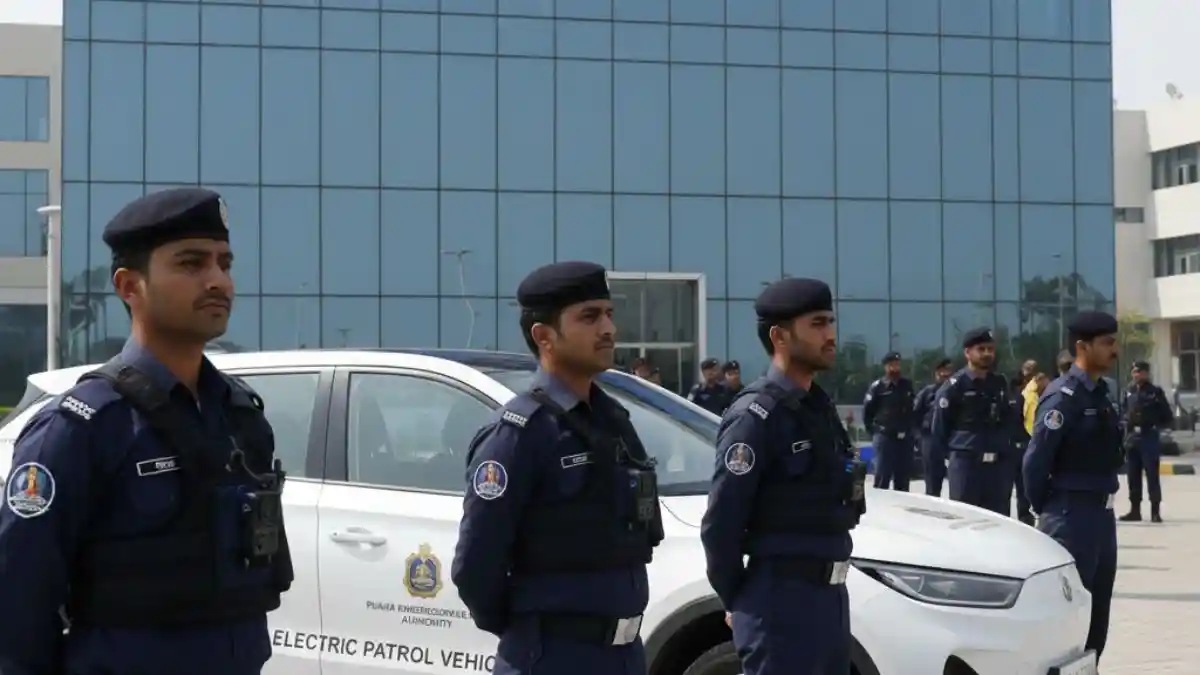
The Punjab government has taken a major step to enhance transparency and accountability by making camera recording mandatory for all operations carried out by the Punjab Enforcement and Regulatory Authority (PERA). This initiative aims to ensure professional, responsible, and transparent enforcement while building public trust in the regulatory system.
Chief Minister Maryam Nawaz Approves Camera Initiative
The directive came after Chief Minister Maryam Nawaz received a detailed briefing on the performance and ongoing reforms of PERA. Recognizing the need for modernized operations and improved public confidence, the Chief Minister ordered the immediate installation of body cameras for all field officers.
Maryam Nawaz emphasized that enforcing the law is essential, but it should always be carried out in a respectful and dignified manner. The use of cameras will help monitor operations in real-time and provide evidence in case of disputes or complaints, making the force more accountable.

Body Cameras to Improve Field Operations
The introduction of body cameras for PERA personnel is expected to:
- Enhance Accountability: All actions by officers will be recorded, reducing the risk of misconduct or abuse of authority.
- Provide Evidence: Footage from cameras will serve as legal evidence in case of complaints or legal proceedings.
- Increase Public Trust: Citizens will feel more confident interacting with officers knowing operations are transparent.
- Monitor Performance: Supervisors can review camera footage to assess operational efficiency and provide feedback.
This step aligns with global best practices, where body cameras are widely used by law enforcement agencies to maintain professional standards.
Check Also: Breaking News: NADRA Issues Urgent Advisory on CNIC Collection to Avoid Delays and Extra Fees

Specialized Training for PERA Personnel
In addition to camera implementation, the Chief Minister approved specialized training sessions for PERA officers. These sessions will focus on:
- Professional Conduct: Training officers to interact respectfully with the public.
- Effective Law Enforcement: Teaching strategies to enforce regulations efficiently and fairly.
- Updated Operational Standards: Ensuring all personnel follow modernized procedures and ethical practices.
Maryam Nawaz highlighted that while PERA has shown good performance, consistent results are necessary to maintain public trust and goodwill.

Introduction of Electric Vehicles for PERA Fleet
The Punjab government has also approved the addition of electric vehicles to the PERA fleet. This move has multiple benefits:
- Environmentally Friendly: Reducing the carbon footprint of enforcement operations.
- Cost Efficiency: Electric vehicles are cheaper to maintain in the long run.
- Modernized Operations: Officers can operate efficiently with up-to-date transportation.
The electric vehicles will complement the body camera initiative by enabling mobile, sustainable, and accountable field operations.

Modern PERA Training Centre
Another major development approved by the Chief Minister is the establishment of a modern PERA Training Centre. This center will play a crucial role in:
- Structured Training Programs: Officers will undergo comprehensive courses covering law enforcement, public interaction, and ethical conduct.
- Operational Excellence: Training will include real-life simulations and best practices to improve decision-making in the field.
- Skill Development: Officers will learn problem-solving, communication, and professional skills for enhanced public service.
The training center will ensure that PERA personnel are well-prepared to handle modern enforcement challenges efficiently.
Importance of Transparency and Accountability
The Punjab government’s decision reflects a strong commitment to transparency. Mandatory camera recording and structured training will:
- Reduce Corruption: Cameras act as a deterrent against unlawful practices.
- Improve Public Relations: Citizens will experience respectful and fair treatment during enforcement operations.
- Ensure Effective Enforcement: Officers will perform their duties professionally, following standard operating procedures.
- Strengthen Governance: Transparent operations increase confidence in government institutions.
This initiative sets a new benchmark for regulatory enforcement agencies in Pakistan, demonstrating that modernization and accountability can go hand in hand.
Expected Impact on PERA Operations
The combined effect of body cameras, electric vehicles, and specialized training is expected to transform PERA operations:
- Enhanced Operational Efficiency: Cameras and training will streamline field operations.
- Better Public Interaction: Officers will be equipped to handle public queries and complaints professionally.
- Improved Law Compliance: Citizens will be more likely to follow regulations knowing operations are transparent.
- Stronger Monitoring and Evaluation: Footage from cameras will allow continuous performance assessment.
Overall, these reforms aim to make PERA a modern, accountable, and citizen-friendly enforcement authority.
Challenges and Solutions
While the reforms are promising, there may be challenges in implementation:
- Technical Issues: Ensuring camera devices function properly in all conditions.
- Training Adaptation: Officers need to adapt to new technology and protocols.
- Public Awareness: Citizens must be informed that operations are recorded to foster cooperation.
The Punjab government plans to address these challenges through robust technical support, regular training updates, and public awareness campaigns.
Future of PERA in Punjab
With these initiatives, PERA is set to become a model enforcement authority:
- Transparent Operations: Citizens can witness accountable and ethical enforcement.
- Professional Workforce: Officers will have skills, training, and tools to operate efficiently.
- Modernized Infrastructure: Electric vehicles and body cameras will modernize the force.
- Public Trust: Increased transparency will strengthen public confidence in PERA operations.
Maryam Nawaz’s reforms indicate a long-term vision for governance that balances law enforcement with citizen rights.
Conclusion About PERA Operations Punjab:
The Punjab government’s directive to record all PERA operations on camera is a significant step toward modern, transparent, and accountable law enforcement. Combined with specialized training, electric vehicles, and a modern training center, PERA is moving towards professional, efficient, and citizen-friendly operations.
These reforms will not only improve operational efficiency but also enhance public trust and set a benchmark for other regulatory authorities in Pakistan. With cameras recording every operation, PERA officers are now more accountable than ever, ensuring a safe, fair, and transparent enforcement system across Punjab.
Frequently Asked Questions (FAQs)
1. What is PERA and what does it do?
PERA stands for Punjab Enforcement and Regulatory Authority. It is responsible for enforcing rules and regulations in Punjab to ensure compliance and public safety.
2. Why is Punjab recording all PERA operations on camera?
The Punjab government aims to increase transparency and accountability in PERA operations, reduce complaints, and build public trust.
3. Who approved the use of body cameras for PERA officers?
Chief Minister Maryam Nawaz approved the installation of body cameras to ensure professional and accountable enforcement.
4. How will body cameras help PERA operations?
Body cameras will record all field activities, provide evidence in disputes, improve officer accountability, and enhance citizen trust.
5. Are PERA officers receiving special training?
Yes, specialized training sessions have been introduced to improve professionalism, public dealing, and operational efficiency.