
Pakistan Launches Country’s First Solar Module Testing Lab to Boost Clean Energy
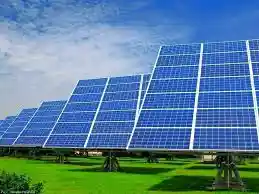
Pakistan has officially launched its first-ever testing laboratory for photovoltaic (PV) modules, commonly known as solar panels, marking a major milestone in the country’s clean energy journey. The new facility, named the PAK-KOREA Testing Laboratory for PV Modules and Allied Equipment, was established in partnership with the Korean government and aims to ensure the quality, safety, and efficiency of solar products in Pakistan.
Partnership Between Pakistan and Korea
The laboratory was created through a collaborative effort between:
- Ministry of Science and Technology (MoST), Pakistan
- Korea International Cooperation Agency (KOICA)
KOICA provided $9.5 million in grant aid, while Pakistan contributed Rs 185.8 million through the Public Sector Development Programme (PSDP). This joint initiative reflects a strong commitment to sustainable energy development and industrial growth in the country.

Key Objectives of the Testing Lab
The PV module testing lab has several important objectives:
- Ensure high-quality solar panels are available to Pakistani consumers
- Test imported and locally manufactured solar modules against international standards
- Promote sustainable and reliable solar energy solutions
- Support the export potential of local manufacturers to regions like Europe and Central Asia
- Advance Pakistan’s industrial technology and clean energy industry

International Standards and Accreditation
The lab is set to achieve ISO-17025 accreditation, which guarantees reliable and internationally recognized testing procedures. It will cover IEC-61215 and IEC-61730 standards, which are globally accepted benchmarks for solar panel quality and safety.
Once fully operational, the Pakistan Standards and Quality Control Authority (PSQCA) will test samples from solar panels to ensure only high-standard products reach the market. After attaining Certification Body Testing Laboratory (CBTL) status, PSQCA will be able to issue international compliance certificates, which will help local manufacturers compete in global markets.

KOICA’s Role in Establishing the Lab
The Korean government, through KOICA, played a vital role in:
- Constructing the laboratory
- Installing all required testing equipment
- Conducting a nine-month training program for staff to ensure smooth operations
KOICA President Chang Won Sam highlighted Pakistan’s potential for solar energy due to its abundant sunshine. He said, “Sustainable, reliable energy is crucial for Pakistan’s future, and we aim to support its transition toward clean and green energy.”

Benefits for Pakistan’s Solar Industry
This testing lab is expected to strengthen the solar energy industry in Pakistan in multiple ways:
- Quality Assurance: Ensures imported and local solar panels meet high-quality standards
- Boost to Local Manufacturing: Helps manufacturers improve products to compete internationally
- Global Export Potential: Certification will allow Pakistani solar panels to enter European and Central Asian markets
- Consumer Confidence: Reliable and tested solar panels increase trust among buyers
- Technology Advancement: Encourages adoption of latest PV technologies and standards
Dr. Jaesang Park, KOICA project manager, expressed confidence that the lab will significantly enhance Pakistan’s solar sector and strengthen its global competitiveness.
Government Support for Renewable Energy
The launch of this testing lab aligns with Pakistan’s broader renewable energy goals. With increasing energy demand and environmental concerns, the government has emphasized solar energy as a sustainable solution. Initiatives include:
- Distribution of solar panels to households
- Promotion of Hari Cards for energy-efficient homes
- Encouraging public and private investment in renewable energy projects
These efforts aim to reduce reliance on fossil fuels, decrease carbon emissions, and provide affordable electricity to citizens.
Inauguration Ceremony
The lab was inaugurated by:
- KOICA President Chang Won Sam
- South Korean Ambassador Park Jae-Lark
During the ceremony, both dignitaries stressed the importance of sustainable energy and the benefits of international collaboration in promoting green technology.
Impact on Local Industry and Economy
The testing lab is expected to have a positive ripple effect on Pakistan’s economy:
- Encourages industrial growth in solar panel manufacturing
- Provides job opportunities in renewable energy and research sectors
- Facilitates export growth and foreign investment
- Promotes technological skill development among engineers and technicians
By providing reliable testing and certification services, Pakistan can ensure that solar energy solutions are efficient, safe, and globally competitive.
Future Prospects
The lab is part of Pakistan’s larger renewable energy strategy, which includes: Pakistan Solar Module Testing Lab
- Expansion of solar energy installations nationwide
- Public awareness campaigns on energy efficiency
- Integration of solar power in government projects and public buildings
- Collaboration with international agencies to upgrade technology and training programs
Officials hope that these efforts will position Pakistan as a regional leader in solar energy production and technology.
FAQs
1. What is the PAK-KOREA Solar Module Testing Lab?
It is Pakistan’s first laboratory dedicated to testing solar panels (PV modules) for quality and safety.
2. Who funded the lab?
KOICA provided $9.5 million, and Pakistan contributed Rs 185.8 million through PSDP.
3. What standards does the lab follow?
The lab follows ISO-17025 accreditation standards and tests PV modules against IEC-61215 and IEC-61730 benchmarks.
4. How does the lab benefit Pakistani consumers?
It ensures that only high-quality, safe, and efficient solar panels reach the market.
5. Can local manufacturers export solar panels after testing?
Yes, once the lab achieves CBTL status, manufacturers can obtain international compliance certificates for export.