
Lahore Air Pollution Crisis: AQI Reaches Hazardous 408
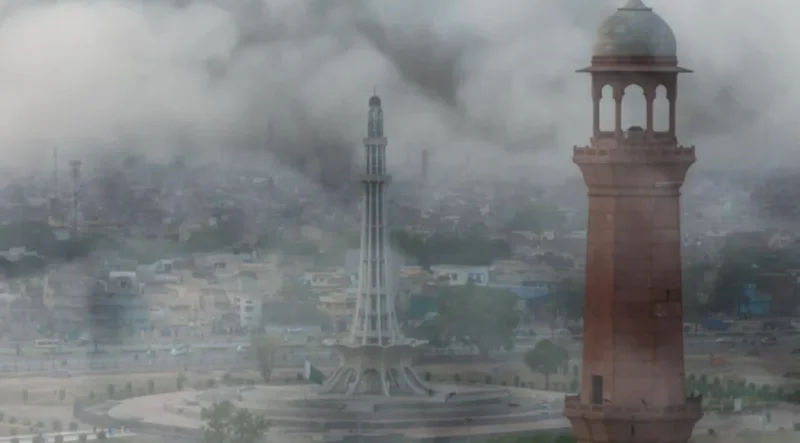
Air pollution in Lahore has once again reached dangerous levels, making the city the most polluted in the world. With an overall Air Quality Index (AQI) of 408, Lahore has entered the hazardous category, posing serious health risks for millions of residents. The worsening smog crisis has raised concerns among health experts, environmental organizations, and government authorities.
This detailed article explains the current pollution situation, area-wise AQI readings, reasons behind rising smog, government response, and what citizens can do to protect themselves.
Lahore Tops Global Pollution Rankings
In recent weeks, Lahore’s air quality has worsened significantly. According to real-time air quality data, the city has recorded an overall AQI of 408, placing it at the top of the list of the world’s most polluted cities.
AQI levels above 300 are considered dangerous, and Lahore’s 400+ reading shows how severe the situation has become.
People searching online for terms like “Lahore AQI today,” “Lahore pollution level,” “Lahore smog update,” and “why is Lahore so polluted” reflect the rising anxiety among citizens.

Area-Wise AQI Breakdown in Lahore Today
Different areas of Lahore have shown extremely high pollution levels. Here are the details reported today:
- Civil Secretariat: 870 AQI
- Cantt: 828 AQI
- Askari Ten: 386 AQI
- Iqbal Town: 228 AQI
- DHA Phase V: 206 AQI
- Badian Road: 199 AQI
- Gulberg II: 194 AQI
The readings above 800, especially in Civil Secretariat and Cantt, fall in the “hazardous – emergency” category, which means outdoor exposure can severely damage health.
These numbers have made people search for “Lahore Cantt AQI,” “Civil Secretariat pollution,” and “Gulberg Lahore smog level” in large volume today.

Why Lahore’s Pollution Is So High?
Experts point to several major reasons behind the extremely high levels of smog and pollution:
1. Vehicle Emissions
The rising number of vehicles on the road is one of the biggest contributors to air pollution. Poor fuel quality and lack of emissions testing make the problem worse.
2. Industrial Smoke
Factories and brick kilns operating without filters release harmful particles into the air.
3. Crop Burning
Seasonal burning of crop residue in nearby areas increases smog levels in Punjab, including Lahore.
4. Construction Dust
Uncontrolled construction work spreads dust particles, mixing with fog to form smog.
5. Weather Conditions
Lahore’s winter weather traps pollutants close to the ground, increasing pollution levels.
6. Lack of Rain
According to the Meteorological Department, there is no chance of rain today, which means pollution may continue to rise.

Impact on Health
Health experts have warned that AQI above 400 can cause severe health problems, especially for:
- Children
- Elderly citizens
- Asthma and heart patients
- Pregnant women
- People with weak immune systems
Possible health effects include:
- Breathing difficulty
- Eye and throat irritation
- Headaches
- Coughing
- Chest congestion
- Increased risk of lung infections
- Long-term damage to the respiratory system
Hospitals in Lahore have already reported an increase in patients with breathing problems.

What Government Officials Are Saying
The Punjab government and environmental authorities acknowledge the seriousness of the situation. Emergency meetings have been held to discuss pollution control measures.
However, experts believe long-term solutions are still missing and the city needs a more aggressive plan to reduce smog. Citizens have been advised to follow safety measures and avoid unnecessary travel during high pollution hours.
Precautionary Measures for Citizens
Health experts recommend the following steps to reduce exposure:
1. Wear Masks (N95 recommended)
These masks can block smoke particles and reduce inhalation of harmful air.
2. Stay Indoors
Avoid outdoor activities, especially in areas with extremely high AQI.
3. Use Air Purifiers
Indoor air purifiers can help reduce pollution inside homes.
4. Avoid Morning and Late Evening Travel
Pollution levels peak during these hours.
5. Keep Windows Closed
Prevent outdoor polluted air from entering rooms.
6. Drink Plenty of Water
Helps clear toxins from the body.
7. Follow Weather & AQI Updates
Use apps like IQAir, ITP Lahore updates, and Meteorological Department reports.
Weather Forecast for Lahore
The Meteorological Department has confirmed that there is no chance of rain today. The weather is expected to remain cool and dry, which may allow smog to stay trapped near the surface. This means pollution levels may not improve immediately.
Comparison With Previous Years
Every winter, Lahore faces severe smog problems, but this year the pollution levels have been significantly higher.
- Sharp increase in vehicles
- Use of low-quality fuel
- Unregulated industrial activity
- Lack of proper monitoring
Environmental activists say that if proper policies are not implemented, Lahore may continue to remain the world’s most polluted city every winter.
Public Reaction
Social media platforms like X (Twitter), Facebook, and Instagram are full of posts where citizens express frustration over the worsening smog. Keywords like “Lahore smog,” “Lahore AQI 408,” “pollution emergency Lahore,” “Hazardous AQI Lahore” have been trending.
Parents are especially worried about school-going children, as rising pollution poses a serious health risk.
Possible Government Steps in Coming Days
Based on previous years, the government may consider:
- Smart lockdowns in highly polluted zones
- Closing schools temporarily
- Restricting industrial operations
- Banning crop burning
- Increasing traffic control
- Sprinkling water on roads
- Strict action against brick kilns
However, no official announcement has been made yet regarding new restrictions.
Expert Opinion on the Smog Crisis
Environmental experts warn that if Lahore’s AQI continues to remain above 400, the city may face long-term environmental damage. They stress the need for:
- Clean energy transition
- Public transport development
- Green spaces
- Industrial monitoring
- Stricter environmental laws
Experts believe that only consistent action—not temporary seasonal measures—can help reduce air pollution in Lahore.
Conclusion About Lahore AQI 408:
Lahore’s AQI rising to 408 is a clear sign that the city is facing a severe environmental crisis. With some areas reaching levels above 800, the situation has become extremely dangerous for public health. Citizens must take strict precautions, and authorities need to enforce strong pollution control measures.
The smog crisis has become a yearly challenge, and without long-term planning, Lahore will continue to struggle with hazardous pollution levels. Staying informed, wearing masks, and avoiding outdoor activities can help reduce health risks during this dangerous period.
FAQs About Lahore Becoming the World’s Most Polluted City
1. Why did Lahore become the world’s most polluted city today?
Lahore became the world’s most polluted city because its AQI reached 408, which is extremely hazardous. Factors like vehicle smoke, industrial pollution, crop burning, and winter weather increased smog levels.
2. What does AQI 408 mean for Lahore residents?
AQI 408 means the air is very dangerous to breathe. It can cause breathing problems, headaches, coughing, eye irritation, and serious health issues for children and elderly people.
3. Which areas in Lahore recorded the highest pollution today?
Civil Secretariat recorded 870 AQI, Cantt 828 AQI, Askari Ten 386 AQI, and Iqbal Town 228 AQI. Many areas remained in the hazardous category.
4. Is it safe to go outside in Lahore right now?
No, experts advise avoiding outdoor activities. People should stay indoors as much as possible, especially during early morning and late evening when smog is highest.
5. How can I protect myself from smog in Lahore?
Wear N95 masks, keep windows closed, use air purifiers, avoid unnecessary travel, drink plenty of water, and check AQI updates before going out.