Ruling Coalition Targets Imran Khan and PTI Over Alleged Anti-State Narrative
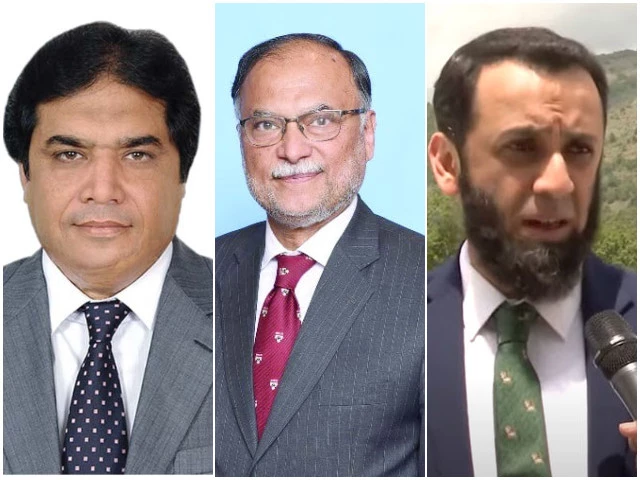
The political environment in Pakistan has once again escalated as the ruling coalition trains its guns at former Prime Minister Imran Khan and his political party, Pakistan Tehreek-e-Insaf (PTI). The controversy stems from remarks made by the top military spokesperson, describing Imran Khan as a “narcissist” and “mentally ill,” which PTI strongly refuted. In response, ministers and leaders from the ruling coalition have criticized PTI, accusing the party of spreading an anti-state narrative and destabilizing the country.
This article explores the reactions of key political figures, the accusations leveled against PTI, and the broader implications for Pakistan’s political stability. We also discuss the role of the armed forces in this ongoing political debate and the potential impact on Khyber Pakhtunkhwa.
Political Leaders Condemn PTI’s Anti-State Rhetoric
Planning Minister Ahsan Iqbal of PML-N expressed strong criticism of Imran Khan’s political rhetoric. In a post on X, Iqbal labeled the former prime minister’s statements as “deeply irresponsible and dangerous,” arguing that they aim to undermine Pakistan’s state institutions and weaken national cohesion. He emphasized that attacking the armed forces could erode public trust in the country’s defenders, ultimately threatening Pakistan’s security and unity.
Iqbal stated that while political differences are natural in any democracy, PTI’s approach has crossed the line into spreading deliberate misinformation and attacking the integrity of the armed forces. He highlighted that the Pakistan Army is a professional and disciplined institution, which has consistently defended the nation’s sovereignty and fought terrorism effectively. According to him, maligning the armed forces benefits only Pakistan’s enemies.

Railway Minister Hanif Abbasi’s Strong Remarks
Hanif Abbasi, Minister for Railways, also criticized PTI’s actions, stating that campaigns against the army are unacceptable for any Pakistani. Speaking at a press conference in Rawalpindi, Abbasi suggested that Imran Khan’s continued narrative against the state leaves no justification for meetings between him, currently detained at Adiala Jail, and his party leaders.
Abbasi warned that a deliberate conspiracy is attempting to destabilize Pakistan, using the same elements that were previously involved in political unrest. He accused foreign powers, including India and Afghanistan, of fueling tensions, claiming Afghanistan now openly supports certain organizations against Pakistan. Abbasi’s remarks reflected deep concerns within the ruling coalition regarding PTI’s political strategies.
Also read: Punjab Mills Begin Crushing as Sugar Prices Expected to Drop – Full Details, Market Impact & What Consumers Should Expect
Information Minister Attaullah Tarar Labels Imran Khan Mentally Unstable
Attaullah Tarar, Minister for Information, went further in his condemnation of PTI. Addressing PML-N workers in Lahore, Tarar described Imran Khan as “mentally unstable,” criticizing PTI supporters for placing him above national interests. He argued that Pakistan’s integrity should come before any political loyalty.
Tarar also highlighted PTI’s governance record in Khyber Pakhtunkhwa (K-P). He claimed that during PTI’s 12.5 years in power, the provincial government failed to implement major development projects, leaving K-P in ruins. In contrast, he praised the PML-N government in Punjab for its development initiatives, including the construction of forensic laboratories and other infrastructure projects.
Read Also: Breaking News: NADRA Launches Online Biometric Verification for Islamabad Vehicle Transfers
PTI Accused of Weakening the Army
Tarar further accused PTI supporters of participating in acts against the army, citing the attack on the Corps Commander House on May 9, 2023. He claimed that videos show women from PTI were involved in the assault, which aimed to weaken the army to a degree that even enemies of Pakistan could not achieve. He also criticized PTI for not raising its voice against India and for spreading misleading propaganda through its social media platforms.

MQM-P Warns Against Street Politics
The Muttahida Qaumi Movement – Pakistan (MQM-P) also condemned PTI for straying from the political process and using street politics to create instability. MQM-P Chairman Khalid Maqbool Siddiqui said PTI continues to hurl allegations without seeking the proper forums to address concerns, ultimately generating political unrest. He urged all political parties to stand together with the armed forces during times of crisis and avoid narratives that may encourage foreign interference.
Balochistan Chief Minister Sarfraz Bugti Speaks Out
Sarfraz Bugti, Chief Minister of Balochistan and a PPP member, expressed similar concerns about the anti-state narrative allegedly promoted by PTI and other political elements. In a press conference in Islamabad, Bugti emphasized that politics should never undermine the armed forces. He called on all political leaders to prioritize Pakistan’s national security over personal or party interests, warning that narratives intended to weaken the state could have dangerous consequences.
Implications for Khyber Pakhtunkhwa and Governance
The ongoing political tension has sparked speculation about the potential imposition of governor’s rule in Khyber Pakhtunkhwa (K-P). Leaders like Hanif Abbasi hinted that such decisions are under consideration but did not confirm any immediate steps. The debate around K-P underscores concerns about governance, political stability, and the ability of provincial authorities to manage crises effectively.
Critics of PTI claim that the party’s narrative not only undermines the state but also distracts from pressing governance issues, including development projects, healthcare, and education. Supporters of the ruling coalition argue that prioritizing political rhetoric over governance can exacerbate regional disparities and weaken institutional integrity.
Role of the Armed Forces in Political Stability
The statements by ministers and political leaders underscore the central role of the Pakistan Army in the country’s political discourse. Both the PML-N and PPP have reaffirmed their support for the armed forces, emphasizing that any attack on the military threatens national security.
Pakistan’s army has historically played a stabilizing role in national security matters, from combating terrorism to defending territorial sovereignty. Political leaders from the ruling coalition view PTI’s rhetoric as a challenge not only to their government but also to the army’s reputation and credibility.
Public Perception and Media Narratives
Public perception plays a critical role in shaping the political landscape in Pakistan. PTI’s supporters view the military’s comments and the ruling coalition’s criticisms as attempts to suppress political dissent. On the other hand, ruling coalition leaders argue that PTI’s street politics and social media campaigns deliberately mislead citizens and compromise national unity.
Media coverage, both national and international, continues to highlight the tension between PTI and the government, raising questions about political accountability, freedom of speech, and the limits of dissent in Pakistan’s democracy.
Conclusion
The escalating confrontation between PTI and the ruling coalition highlights deep political divisions in Pakistan. Ministers from PML-N, PPP, and MQM-P have collectively criticized Imran Khan’s statements as anti-state and destabilizing, while reinforcing their support for the armed forces. Accusations against PTI range from spreading misinformation and engaging in street politics to failing in provincial governance and weakening the army’s credibility.
As the political discourse intensifies, the situation in Khyber Pakhtunkhwa, social media narratives, and public perception will continue to shape Pakistan’s political landscape. Stability, national security, and institutional integrity remain central concerns for the ruling coalition, while PTI’s narrative challenges the government’s claims and tests the limits of democratic engagement in the country.
Frequently Asked Questions (FAQs) About Imran Khan and PTI Controversy
Q1: Why is the ruling coalition criticizing Imran Khan and PTI?
The ruling coalition accuses Imran Khan and PTI of spreading an anti-state narrative, attacking Pakistan Army’s credibility, and using political rhetoric to destabilize the country.
Q2: What did military spokesperson say about Imran Khan?
The top military spokesperson described Imran Khan as a “narcissist” and “mentally ill,” which PTI strongly rejected. These statements triggered criticism from PTI and a political debate.
Q3: How did ministers like Ahsan Iqbal and Attaullah Tarar respond?
Ministers from PML-N and other coalition parties condemned PTI for its statements, labeling them dangerous, irresponsible, and harmful to national security. They emphasized the importance of respecting state institutions.
Q4: Is governor’s rule being imposed in Khyber Pakhtunkhwa (K-P)?
No final decision has been made yet. Some ministers hinted that the option is under consideration due to PTI’s political actions, but it has not been officially announced.
Q5: What is the impact of this controversy on Pakistan’s political stability?
The conflict has increased political tension, raised public debate, and highlighted differences between PTI and the ruling coalition. It also brings attention to governance issues in K-P and the role of Pakistan Army in maintaining national security.