Transport Unions Announce Complete Strike Across Pakistan on December 19 Over Heavy Fines
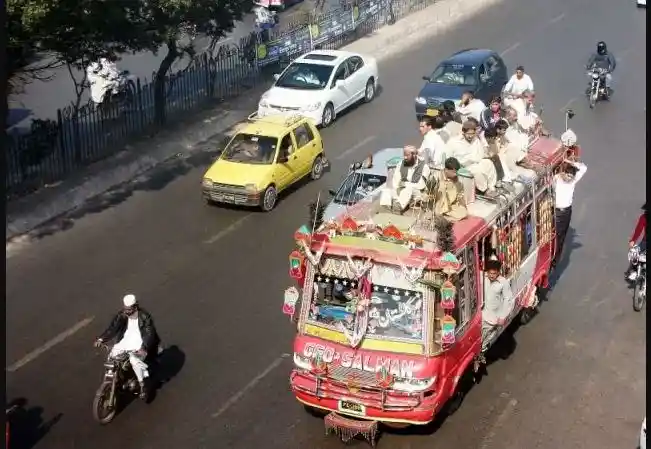
Transport unions across Pakistan have announced a nationwide strike on December 19, 2025, protesting heavy traffic fines, vehicle impoundments, and alleged harassment by enforcement authorities. This strike, described as a “wheel-jam,” will impact all modes of public and private transport from Khyber to Karachi, affecting commuters, businesses, and daily life across the country.
Reasons Behind the Nationwide Transport Strike
The All Pakistan Transport Federation (APTF), along with inter-city, inter-district, goods transport, and pickup-and-drop unions, cited multiple reasons for the strike. Key issues include:
Excessive Traffic Fines
Transporters argue that recent increases in traffic challans and fines are unaffordable and unfair.
Vehicle Impoundments
Many vehicles have been seized for minor infractions, affecting livelihood and supply chains.
Alleged Harassment
Union leaders claim enforcement authorities have used heavy-handed tactics, making daily operations challenging.
Non-Compliance with Earlier Agreements
The unions accuse the government of failing to implement prior commitments to reduce fines and penalties.
Union spokespersons Asif Khan, Lala Suhail, and Tariq Khan stressed that the strike will continue until the government withdraws the revised traffic fine system and addresses transporters’ concerns.

Transport Services Affected by the Strike
The December 19 strike will impact nearly all transport services across Pakistan, including:
- Public Transport: Buses, wagons, and intra-city transport services
- Private Transport: Employee shuttles and pickup-and-drop services
- Goods and Freight: Trucks, delivery vans, and cargo services
- Student Transport: School and college transport services
This shutdown is expected to disrupt daily commutes, business operations, and supply chains nationwide.
Impact on Businesses and Daily Life
According to union leaders, the strike will have wide-ranging effects beyond the transport sector:
- Markets and Business Centers: Shops and commercial hubs may face reduced foot traffic and supply shortages.
- Factories and Industrial Units: Delays in raw material delivery could affect production schedules.
- Petrol Pumps and Fuel Supply: Reduced transport services may limit fuel distribution across cities.
- Government Offices and Banks: Employees may face difficulty commuting, potentially affecting services.
- Wholesale Markets and Logistics: Disruption in goods transport may create a backlog, affecting trade.
The unions warned that entire cities may experience significant delays and disruptions if the government does not respond to their demands.

Government’s Stance and Response
The government has not yet issued an official statement regarding the December 19 strike. However, officials have previously defended the traffic fine system, stating that it is designed to:
- Improve road safety
- Reduce traffic congestion
- Encourage compliance with traffic rules and regulations
Authorities have also claimed that fines are consistent with legal frameworks and aim to curb reckless driving.

Union Demands and Negotiations
The transport unions have made several demands, including:
- Withdrawal of Revised Traffic Fines: Reducing fines to a reasonable level that transporters can afford.
- Return of Impounded Vehicles: Immediate release of vehicles seized for minor infractions.
- Fair Enforcement Practices: Stopping harassment and ensuring proper documentation during inspections.
- Review of Road Safety Regulations: Consultation with transport associations before introducing new policies.
Union leaders emphasized that these measures are crucial to protect the livelihoods of millions of drivers and transport business owners.
Nationwide Coordination of the Strike
The strike is being coordinated across multiple provinces, ensuring that all major transport hubs participate. Provinces impacted include:
- Khyber Pakhtunkhwa: Peshawar, Mardan, Abbottabad, and other major cities
- Punjab: Lahore, Faisalabad, Multan, Rawalpindi, Gujranwala
- Sindh: Karachi, Hyderabad, Sukkur
- Balochistan: Quetta, Gwadar, Khuzdar
- Islamabad Capital Territory: Islamabad city
This level of coordination shows the strength and unity of Pakistan’s transport unions, highlighting their nationwide influence.
Historical Context of Transport Strikes in Pakistan
Transport strikes are not new in Pakistan. Over the years, similar wheel-jam strikes have occurred in response to:
- Rising fuel prices
- Increasing toll taxes
- Changes in traffic rules
- Enforcement of government regulations
Previous strikes have resulted in significant disruption, sometimes lasting several days and forcing authorities to negotiate with transport unions.
Possible Consequences of the Strike
Experts predict the following potential outcomes due to the nationwide strike:
- Economic Impact: Delays in goods delivery and employee commuting may affect daily business operations.
- Traffic Disruption: Congestion in cities may worsen, especially in areas where private vehicles replace public transport.
- Social Impact: Students, workers, and patients may face difficulties reaching schools, offices, and hospitals.
- Negotiation Pressure: The government may be forced to hold urgent talks with unions to prevent prolonged disruption.
Analysts note that if unresolved, the strike could lead to long-term discussions on traffic management, fines, and fair enforcement practices.
Public Awareness and Participation
Transport unions have urged citizens to support the strike by:
- Avoiding non-essential travel on December 19
- Understanding the reasons behind the shutdown
- Reporting harassment or illegal fines through official channels
They have also warned the public that participating or cooperating with unauthorized transport services may exacerbate tensions between unions and enforcement authorities.
Safety and Emergency Measures
While the strike will impact most transport services, authorities have assured:
- Emergency Services Will Operate: Ambulances, fire services, and police transport will remain active.
- Critical Supply Chains: Hospitals and essential goods deliveries will be prioritized.
- Alternative Travel Options: Citizens may need to rely on private vehicles or temporary transport solutions.
Public awareness campaigns are expected to guide people on safety and emergency protocols during the strike.
Media Coverage and Public Reactions
The upcoming strike has already gained wide media attention. Public reactions are mixed:
- Supporters of the Strike: Many citizens empathize with transporters, noting that heavy fines are burdensome and unfair.
- Critics of the Strike: Some complain that a nationwide shutdown will disrupt daily life and economic activity unnecessarily.
Social media discussions have seen hashtags such as #TransportStrikePakistan, #December19Shutdown, and #FairTrafficFines trending across platforms.
Government-Union Dialogue: Possible Solutions
To avoid a complete shutdown, transport unions and government officials may engage in dialogue focusing on:
- Revision of Fines: Ensuring fair penalties that reflect actual violations.
- Compromise on Vehicle Impoundments: Streamlining processes to reduce undue financial burden.
- Transparent Enforcement: Using digital monitoring systems to avoid corruption and harassment.
- Long-Term Traffic Policy Review: Consulting unions before implementing future regulations.
Such dialogue could prevent disruption while addressing transporters’ legitimate grievances.
Conclusion
The December 19 nationwide transport strike highlights the growing tension between Pakistan’s transport unions and government enforcement authorities. With unions demanding fair fines, safe enforcement practices, and the return of impounded vehicles, the strike could have far-reaching economic and social consequences. Citizens and businesses are advised to plan ahead, while authorities may need urgent negotiations to resolve the crisis.
This strike underscores the need for balanced traffic policies that protect both road safety and the livelihoods of transporters, ensuring smooth and fair operations across the country.
FAQs About Pakistan’s December 19 Transport Strike
1. Why is Pakistan’s transport strike being held on December 19?
The strike is a protest against heavy traffic fines, vehicle impoundments, and harassment of transporters.
2. Which transport services will be affected?
Buses, wagons, intra-city transport, goods carriers, pickup-and-drop, and student shuttles will all be impacted.
3. Will emergency services operate during the strike?
Yes, ambulances, fire services, and police transport will remain active.
4. How long will the strike last?
The strike is scheduled for December 19, but it may extend until demands are met.
5. What are the union’s main demands?
Withdrawal of revised traffic fines, return of impounded vehicles, fair enforcement, and consultation on future policies.