Accord to Set Rules on Pakistan’s Factory Heat Risks – Full 2025 Analysis
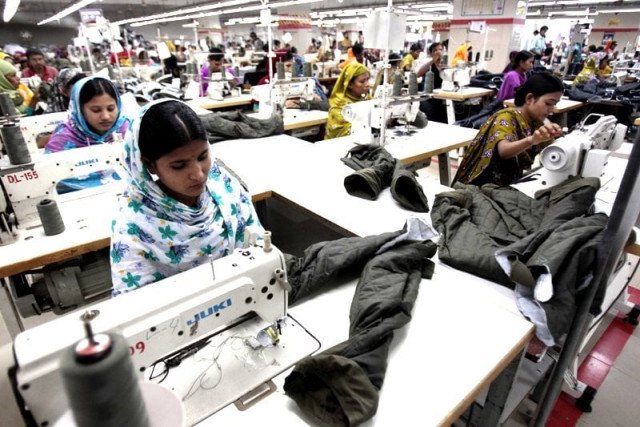
Pakistan’s textile and garment industry is the backbone of the national economy, contributing more than 60% of the country’s exports. However, climate change is creating dangerous heat stress risks inside factories, putting millions of workers at risk. The International Accord for Health and Safety in the Garment and Textile Industry has now taken an important step by announcing the development of the first-ever global Heat Stress Protocol. This move aims to protect workers in countries like Pakistan and Bangladesh, which face extreme temperatures despite having very low carbon emissions.
This detailed article explains what the new protocol means, why heat stress is rising, how Climate Rights International (CRI) is pressuring global brands, and why climate justice is now a central issue in the global garment supply chain.
What Is the International Accord Heat Stress Protocol?
The International Accord is a legally binding agreement signed by major global fashion brands to ensure factory safety. It includes:
- Independent safety inspections
- Worker training
- Complaint mechanisms
- Legally enforceable obligations for brands
For the first time, the Accord has recognised heat stress as a specific safety risk. The new Heat Stress Protocol will:
- Be included in factory inspections in Pakistan & Bangladesh
- Create rules for safe indoor temperature levels
- Require engineering upgrades to improve ventilation
- Make brands share financial responsibility for safety improvements
- Protect workers from rising climate-driven heat hazards
This marks a global shift: heat is no longer considered just a discomfort—it is now recognised as an occupational hazard.

Why Pakistan’s Garment Workers Face Extreme Heat Risks
Pakistan emits less than 1% of global greenhouse gases, yet it ranks among the 10 most climate-vulnerable countries in the world. Summers are already scorching, and climate change is pushing temperatures even higher.
Inside textile factories in Karachi, Lahore, Faisalabad, and Sialkot, temperatures often exceed safe limits. Many factories were built decades ago, with:
- Poor ventilation
- No cooling systems
- Low ceilings
- Overcrowded production floors
- High electricity costs discouraging AC usage
Reports show workers frequently face:
- Dehydration
- Heat stroke
- Dizziness and fainting
- Permanent kidney damage
- Reduced productivity due to thermal stress
These dangers increase during peak export months when production targets rise.

Climate Change and Global Inequality in the Garment Industry
The new protocol highlights a core climate-justice issue:
The people who contribute the least to climate change are suffering its most severe consequences.
Rich countries buy cheap clothing produced in extreme temperatures in South Asia. Pakistan and Bangladesh provide the labor—but bear the climate impacts.
Key points of inequality:
- Western brands profit from global supply chains
- Factories in Pakistan run on extremely low margins
- Workers earn subsistence wages
- Climate change increases heatwaves every year
- Workers have no power to demand safer conditions
CRI argues that wealthy nations and global fashion brands must take responsibility because climate change is disproportionately harming garment workers.

CRI’s Findings: How Heat Stress Is Harming Workers
Climate Rights International (CRI), along with 45 partner organizations, has documented severe heat impacts inside factories in Karachi and Dhaka.
Their investigations found:
- Indoor factory temperatures often exceed safe global limits
- Workers faint during long shifts
- Factories push production targets even during heatwaves
- Women workers are disproportionately affected
- Medical rooms inside factories are often poorly equipped
- Heat-related illnesses go unreported due to fear of job loss
In Pakistan and Bangladesh, millions of workers earn extremely low wages—making them unable to refuse unsafe work environments.
CRI stated that heat stress is not accidental—it is a direct by-product of the climate crisis, which is mainly caused by industrialised nations.
Why Factories Are Struggling to Improve Conditions
Most garment factories in Pakistan operate on very thin profit margins. They depend heavily on international buyers who demand low-cost, high-volume production.
Factories say they cannot afford:
- Large ventilation systems
- Insulated roofs
- Cooling equipment
- Airflow redesigning
- Heat-proof engineering upgrades
Unless global brands share the financial burden, factories are unlikely to make big improvements. CRI emphasizes that brands must invest in climate adaptation measures, not just emissions reduction commitments.
Which Global Brands Are Already Part of the Accord?
Several major brands have signed the legally binding international accord, including:
- H&M
- Inditex (Zara)
- Mango
- PVH (Tommy Hilfiger, Calvin Klein)
- Marks & Spencer
But CRI argues their responsibility goes far beyond signing agreements—they must contribute financially to ensure worker safety in hot climates.
The organization also criticized brands that still refuse to join the Accord, saying their lack of commitment directly exposes workers to worsening heat conditions.
Pakistan vs Bangladesh – Heat Stress Challenges in Both Countries
While both countries face extreme heat, Bangladesh has:
- More dense factory clusters
- Higher humidity levels
- Longer production hours
- More export-oriented factories
Pakistan’s challenges include:
- Unpredictable heatwaves
- Load-shedding and power issues
- Larger industrial zones like Karachi, Faisalabad, Lahore
- Factories with outdated infrastructure
Both countries require international support to upgrade safety standards before heat risks worsen further.
How the Heat Stress Protocol Will Improve Worker Safety
The new protocol is expected to introduce several key standards:
1. Maximum Safe Temperature Limits
Factories will be required to keep indoor temperatures below internationally accepted thresholds.
2. Mandatory Ventilation and Cooling Systems
Engineering upgrades may include:
- High-volume exhaust fans
- Cross-ventilation designs
- Heat-reflective roofing
- Climate-resilient building materials
3. Worker Heat Protection Rights
Workers may get:
- Mandatory rest breaks
- Access to clean drinking water
- Cooling areas
- Health monitoring
4. Binding Obligations for Global Brands
Brands may need to:
- Finance factory upgrades
- Reduce unrealistic production targets in summer
- Report compliance publicly
5. Integration Into Factory Inspections
Heat stress checks will now be part of:
- Regular audits
- Complaint investigations
- Corrective action plans
This is a major advancement for worker rights in South Asia.
Climate Justice and Human Rights in the Garment Supply Chain
CRI’s advocacy places heat stress within the global climate justice movement.
According to CRI:
- The global north created the climate crisis
- The global south is paying the price
- Workers are on the frontline of climate impacts
- Brands externalize risks to the poorest people in the supply chain
By acknowledging heat stress as a “specific risk,” the International Accord has accepted that climate change is now a core labor rights issue.
Why This Protocol Is a Turning Point for Pakistan’s Textile Industry
Pakistan’s textile exports depend on international trust and compliance with global safety standards. The new protocol:
- Strengthens Pakistan’s position as a responsible export partner
- Encourages investment in safer workplaces
- Protects millions of workers
- Helps factories modernize
- Reduces long-term economic losses from heat-related productivity drops
But without adequate financial support from global buyers, the improvements may be slow.
Conclusion
Heat stress is no longer a silent crisis—it is one of the biggest threats facing Pakistan’s garment industry. The International Accord’s new Heat Stress Protocol represents a major shift toward protecting workers from climate-driven risks. CRI and its partner organizations have played a crucial role in exposing dangerous conditions and demanding accountability from global brands.
If properly implemented, this protocol could save lives, improve factory conditions, and push the global fashion industry toward climate justice. Pakistan, despite contributing minimally to global emissions, deserves international support to keep its workers safe in a rapidly heating world.
FAQs – Factory Heat Risks & International Accord 2025
1. What is the Heat Stress Protocol announced by the International Accord?
The Heat Stress Protocol is a new global safety standard that sets rules for managing rising indoor temperatures in garment factories. It will be included in inspections and require improvements in ventilation, cooling, and worker protection.
2. Why are Pakistan’s garment workers at high risk of heat stress?
Pakistan faces extreme climate change impacts, with rising temperatures and outdated factory infrastructure. Many facilities lack ventilation, cooling systems, and heat-safe working environments, putting workers at risk of dehydration and heat-related illnesses.
3. Which brands have signed the International Accord?
Major brands including H&M, Zara (Inditex), Mango, PVH, and Marks & Spencer have signed the Accord. These brands now have binding responsibilities to support safer factory conditions in Pakistan and Bangladesh.
4. What does CRI claim about climate-driven risks in factories?
Climate Rights International (CRI) states that heat stress in factories is a direct result of the global climate crisis, created mostly by wealthy nations. They argue that global brands must help fund upgrades to protect workers.
5. How will the new protocol benefit Pakistan’s textile industry?
The protocol will help modernize factories, improve worker safety, reduce heat-related injuries, and strengthen Pakistan’s position as a responsible export partner, potentially increasing global trust and long-term competitiveness.