
Breaking News: Punjab Announces Digital Exams for All Boards
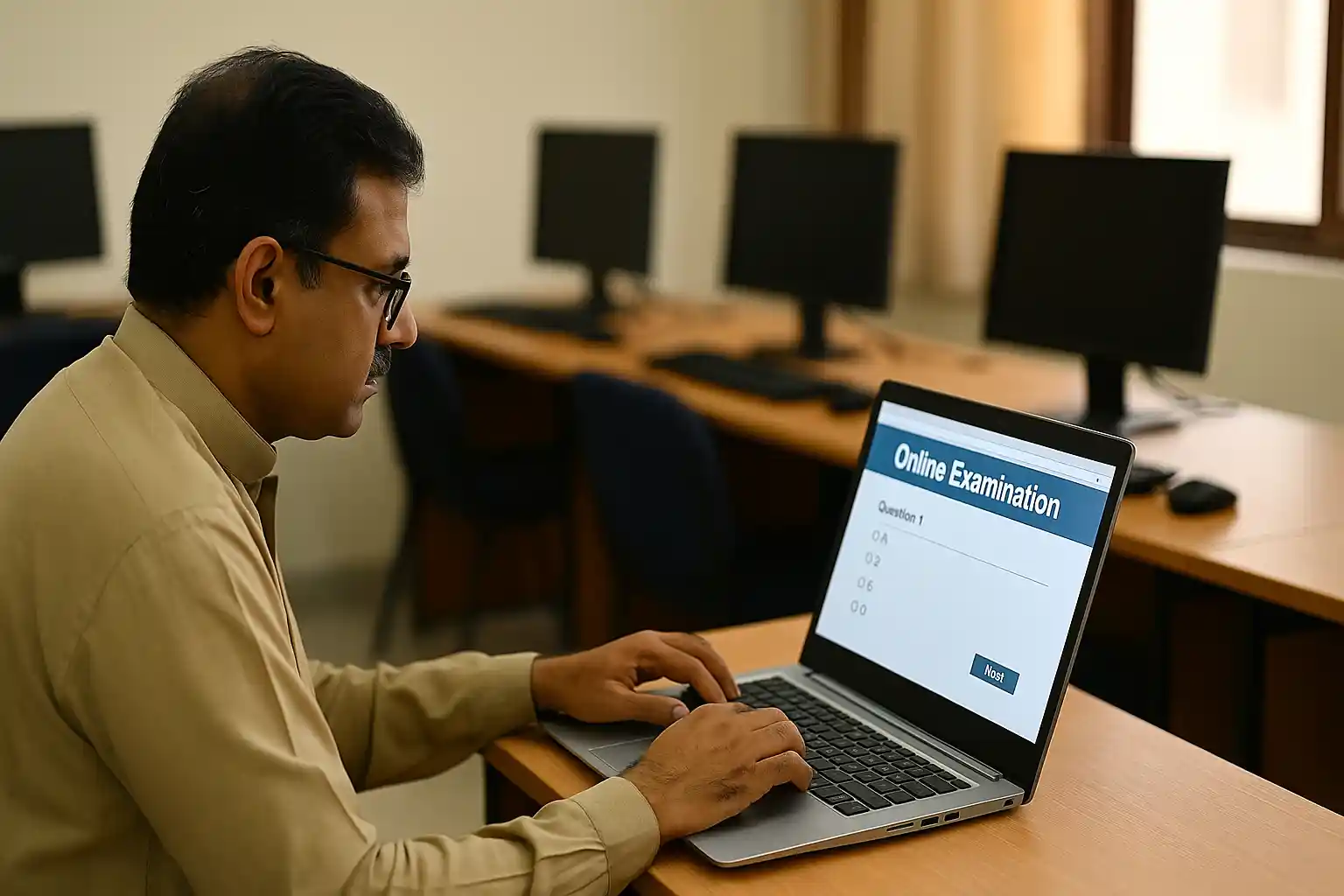
In a major development for the education sector, the Punjab government has officially announced that all provincial education boards will shift to a Digital Exams system. This decision marks one of the biggest transformations in the exam structure in recent years, aiming to modernize outdated procedures and bring greater fairness, efficiency, and reliability to the examination process.
Officials describe this initiative as part of a wider digital governance plan that seeks to streamline academic operations, minimize manual errors, and ensure transparent evaluation practices for millions of students across the province.
BISE Lahore Leads the Rollout
To begin the process, the Board of Intermediate and Secondary Education (BISE) Lahore has been directed to host a comprehensive briefing and training session on December 13. Representatives from all Punjab boards—including Rawalpindi, Faisalabad, Multan, Gujranwala, Sargodha, Sahiwal, Bahawalpur, DG Khan, and others—will attend the session.
During this session, technical teams will receive detailed instructions on:
- System architecture and digital workflows
- Secure exam data handling
- Online question paper distribution
- Digital marking mechanism
- Paperless result compilation
- Error-reduction tools and automated checks
A BISE Lahore spokesperson confirmed that system analysts and computer programmers from all boards have already been notified and instructed to participate. Their training will serve as the backbone for the province-wide transition.
Why Punjab Is Moving Toward Digital Exams
The idea of digital examinations has been under consideration for several years. However, increasing concerns about transparency, manual errors, and fairness in board exams accelerated the government’s decision.
Chairman of the Task Force Committee for Boards, Muzammil Mahmood, stated that the new digital system will bring several key improvements:
- Enhanced Transparency
The digital system reduces human involvement in critical stages such as marking and result compilation. This minimizes the possibility of mismanagement, favoritism, or misplaced papers. - Greater Accuracy
Automated systems ensure error-free calculations and consistent evaluation standards. - Faster Processes
Digital workflows are much faster than traditional manual methods, cutting down the time required for result preparation. - Increased Trust
Students and parents will feel more confident knowing that a secure, technology-driven system is ensuring fairness. - Reduced Paper Usage
The shift also supports the government’s goals for environmental sustainability through reduced paper consumption.
How the Digital Exam System Will Work
While the government has not yet released full technical details, officials have shared an overview of how the system is expected to function.
Digital Question Paper Distribution
Examination papers will be created, encrypted, and transmitted digitally to authorized exam centers. This aims to prevent:
- Paper leaks
- Unauthorized access
- Printing errors
Only designated officials at exam centers will be able to decrypt the papers shortly before exam time.
Computer-Based Marking and Evaluation
Teachers will evaluate answer scripts using digital tools, eliminating mistakes caused by manual tallying. Optical or digital evaluation features may also be introduced for objective-type questions.
Automated Result Compilation
The digital system will compile results automatically by integrating marking data, reducing delays and increasing accuracy.
Improved Security Features
The system is expected to include:
- Secure login for staff
- Activity tracking
- Automatic backups
- Data encryption
- Error detection algorithms
These features aim to protect the entire process from cyber threats or internal misuse.
Training Phase: A Crucial Step
Officials say the December 13 training session will play a crucial role in ensuring that every board understands the new system thoroughly. It will cover:
- Technical handling of the software
- Troubleshooting procedures
- Guidelines for secure digital operations
- Roles and responsibilities for each officer
- Standardized protocols for conducting digital exams
Experts believe that proper training is essential, as any technological reform depends on the competence of the people using it.
Challenges Expected During Transition
While the digital shift is widely appreciated, several challenges may arise during implementation:
Infrastructure Requirements
Not all examination centers have reliable:
- Internet access
- Power backups
- Digital devices
The government will need to upgrade facilities across the province, especially in rural areas.
Training and Adaptation
Teachers, examiners, and staff must adapt to new systems. Some may struggle with technology, making training and ongoing support essential.
Cybersecurity Concerns
Digital systems require strong security to prevent hacking attempts, data leaks, or unauthorized access.
Budget and Resources
Large-scale digitization requires significant investment in software, hardware, and maintenance.
Despite these challenges, officials remain confident that the benefits outweigh the difficulties and that Punjab’s education sector is ready for modernization.
Reactions From Students, Parents, and Teachers
Early reactions have been largely positive:
- Students hope digital exams will end issues like lost papers, mis-marked exams, and delayed results.
- Parents believe the system will reduce complaints and provide more reliable outcomes.
- Teachers appreciate the move but emphasize the need for proper training to ensure smooth implementation.
Some stakeholders also expect that digital reforms may eventually lead to online exams or hybrid models in the future.

Government’s Long-Term Vision
The digital exam reform is part of Punjab’s larger plan to modernize the education sector through:
- Online classrooms
- E-learning systems
- Digital attendance
- Smart monitoring tools
- Automated governance systems
If successful, Punjab may become a model for other provinces in Pakistan.

Conclusion – Punjab Announces Digital Exams for All Boards
The announcement of digital exams for all Punjab boards is a landmark decision that could redefine the future of education in the province. With BISE Lahore taking the lead through its December 13 training session, the government has signaled a clear intention to bring transparency, speed, and accuracy into the examination system.
While challenges exist, the move has been widely welcomed as a step toward modernization and trust-building. As Punjab enters this new digital era, students, teachers, and parents can expect a more efficient, reliable, and technologically advanced examination process in the coming years.