
Dense Fog Forces Closure of Major Motorways Across Punjab
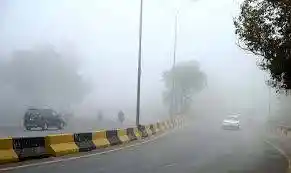
Dense fog has once again disrupted traffic in Punjab, forcing authorities to close several major motorways across the province. The sudden drop in visibility has made driving extremely dangerous, prompting motorway police to suspend all traffic on key routes to ensure public safety. This incident highlights the persistent challenges posed by winter weather in Pakistan, especially for long-distance travel and logistics.
Motorways Affected by Dense Fog
Authorities reported that the Lahore–Sialkot Motorway (M-11) was immediately closed due to heavy fog reducing visibility to dangerously low levels. In addition, the M-2 motorway saw closures from Lahore to Hiran Minar, and another section from Lahore to Kot Momin was also shut. Sections of the M-3 and M-5 motorways were likewise closed for all types of vehicles, including trucks, buses, and private cars.
These closures affected commuters, transport companies, and travelers who were forced to delay or reroute their journeys. The dense fog not only created travel disruptions but also raised serious safety concerns due to the increased risk of accidents.

Safety Concerns During Foggy Conditions
A spokesperson for the Motorway Police emphasized that the closures were necessary to protect lives and property. Driving in dense fog significantly increases the chances of accidents, especially due to lane violations, sudden braking, and reduced reaction times. Multi-vehicle collisions, chain accidents, and severe crashes are common during low-visibility conditions.
The spokesperson advised motorists to strictly follow lane discipline, use fog lights, reduce speed, and travel during daylight hours whenever possible. Travelers were urged to avoid unnecessary trips until weather conditions improved.

Impact on Daily Commuters and Transport
The fog-induced closures caused widespread inconvenience for daily commuters, commercial transporters, and long-distance travelers. Many workers faced delays reaching their workplaces, while goods transport and delivery schedules were disrupted. Trucking companies reported delays in supply chains, affecting industries and markets in multiple regions.
Public transport also experienced major setbacks. Buses running on intercity routes had to pause operations, leaving passengers stranded at bus terminals. Taxi and ride-sharing services faced difficulties navigating low-visibility areas, further adding to travel disruptions.

Weather Forecast and Advisory
According to the Pakistan Meteorological Department (PMD), dense fog is common in Punjab during the winter months, especially in early mornings. These fog patches can persist for several hours, creating hazardous driving conditions. The PMD has advised motorists to stay updated with weather forecasts and take precautions before embarking on long journeys.
Authorities also warned of sudden patches of thick fog along highways, particularly near rivers, low-lying areas, and farmland, where visibility can drop sharply without warning. Drivers were urged to maintain a safe following distance and be prepared for sudden stops.

Recommendations for Motorists
- Use Fog Lights: Drivers should use fog lights to increase visibility and make their vehicles more visible to others.
- Reduce Speed: Slower speeds allow more reaction time in case of sudden obstacles or vehicles stopping unexpectedly.
- Maintain Lane Discipline: Lane changes and overtaking should be minimized to prevent collisions.
- Avoid Night Travel: Dense fog during nighttime is more dangerous due to limited visibility and the absence of natural light.
- Stay Updated: Listen to traffic updates and weather alerts to avoid fog-affected routes.
These measures can significantly reduce the risk of accidents and ensure safer travel during the winter season.
Government and Police Measures
The Punjab government and Motorway Police have been actively monitoring the situation. Patrol units have been deployed along all affected motorways to assist stranded travelers and enforce traffic rules. Temporary roadblocks and traffic redirections have been implemented to prevent vehicles from entering highly foggy zones.
Additionally, public advisories are being circulated through social media, news channels, and traffic radio stations to warn citizens and provide updates on motorway conditions. Authorities have stated that all sections of motorways will reopen only when visibility improves and travel is deemed safe.
Challenges for Emergency Services
Foggy conditions pose significant challenges for emergency services. Ambulances, fire brigades, and law enforcement vehicles face difficulties reaching accident sites promptly. In severe cases, delays can result in higher casualties. To address this, motorway police have coordinated with emergency response teams to maintain a rapid response system and ensure assistance reaches affected areas quickly.
Economic Implications
The closure of major motorways affects trade, supply chains, and the economy. Delays in the transportation of goods can disrupt markets and increase costs. Industries relying on timely delivery of raw materials or finished products may face operational delays. Similarly, small businesses that depend on transportation of goods to urban centers are also impacted.
Frequent winter fogs, if not managed properly, can have recurring economic consequences. Authorities are encouraged to invest in better road lighting, fog sensors, and driver awareness programs to mitigate these impacts.
Role of Technology in Fog Management
Advanced technology can play a crucial role in managing fog-related risks. Roadside sensors, GPS tracking systems, and real-time traffic apps can help drivers navigate fog safely. Variable message signs (VMS) on highways can alert motorists about fog intensity and speed limits. Some countries use fog-detection systems that automatically adjust traffic signals or issue warnings to reduce accident risks.
Investing in such systems in Punjab could enhance safety, reduce travel disruptions, and save lives during dense fog events.
Conclusion
Dense Fog is a recurring challenge in Punjab, especially during the winter season. The recent closures of major motorways, including M-2, M-3, M-5, and M-11, highlight the importance of safety measures for motorists, commuters, and transport authorities. Public awareness, strict adherence to traffic rules, and timely government intervention are crucial to prevent accidents and ensure smooth travel.
Motorists are advised to follow safety recommendations, stay updated on weather conditions, and exercise caution when traveling. Authorities continue to monitor the situation closely and will reopen motorways only when it is safe for all road users.
This incident serves as a reminder of the critical need for traffic safety campaigns, technology adoption, and effective emergency response systems to manage fog hazards in Punjab.
Frequently Asked Questions (FAQs) About Dense Fog and Motorway Closures in Punjab
1. Why were major motorways in Punjab closed recently?
Major motorways, including M-2, M-3, M-5, and M-11, were closed due to dense fog reducing visibility, increasing the risk of accidents.
2. Which motorways were affected by the dense fog in Punjab?
The Lahore–Sialkot Motorway (M-11), M-2 (Lahore to Hiran Minar and Lahore to Kot Momin), M-3, and M-5 were closed temporarily.
3. How long will the motorway closures last?
Motorways will remain closed until visibility improves and authorities confirm it is safe for travel. The duration depends on weather conditions.
4. What safety measures should motorists take during dense fog?
Drivers should use fog lights, reduce speed, maintain lane discipline, avoid night travel, and follow traffic updates from authorities.
5. Are public transport and goods transport services affected?
Yes, buses, trucks, goods carriers, and intercity transport services were suspended temporarily, causing delays and disruptions.