
Rawalpindi Schools Face New 14-Point Safety Regulations
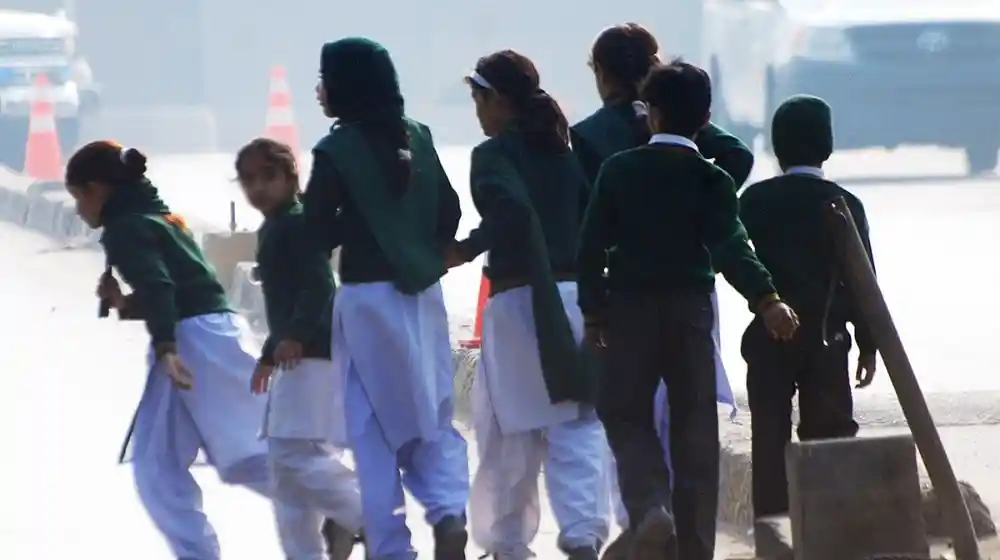
The Rawalpindi District Education Authority (DEA) has introduced a comprehensive 14-point security framework for private schools in the district. The move comes as part of ongoing efforts to ensure the safety and security of students, staff, and visitors within educational institutions. The rules are aimed at strengthening security systems and minimizing risks associated with emergencies, intrusions, and other safety hazards.
District Education Authority Chief Executive Officer (CEO) Muhammad Tariq emphasized that compliance with the new rules is mandatory, and strict action will be taken against schools failing to implement them. Private schools are now required to meet all safety standards within two days and submit formal compliance reports to the DEA.
Key Security Measures for Private Schools
The DEA has outlined 14 critical security measures for all private educational institutions in Rawalpindi. These include structural, technological, and personnel-related requirements:
1. High Boundary Walls and Barbed Wire
Schools must construct boundary walls at least eight feet high, with an additional two feet of barbed wire on top. This physical barrier is designed to prevent unauthorized entry and provide a secure perimeter for students and staff.
2. CCTV Surveillance Systems
Private schools are required to install CCTV cameras covering both interior and exterior areas. Proper surveillance ensures real-time monitoring and acts as a deterrent against criminal activity. All systems must have backup power support, including UPS, to maintain continuous functionality during outages.
3. Functional Control Room
Each school must establish a control room to monitor CCTV feeds, communicate with security staff, and coordinate emergency responses. The control room serves as the nerve center for school security operations.
4. Metal Detectors
Operational metal detectors must be installed at school entry points to prevent weapons or dangerous items from being brought onto campus.
5. Verified Security Guards
Schools must appoint trained and verified security personnel who are equipped with authorized weapons and wear proper uniforms. Guards are responsible for monitoring school grounds and responding to potential threats.
6. Visitor Management
Institutions must maintain a visitors’ register at entry points to log all incoming individuals. Schools must also display emergency contact numbers in easily visible locations.
7. Emergency Exits and Safety Signage
Schools are required to mark all emergency exits clearly and install security instruction posters to guide students, staff, and visitors in case of emergencies.
8. Safety Drills
Regular mock drills for fire, earthquake, intrusions, and other emergencies are mandatory. These drills train students and staff to respond effectively under pressure.
9. Security SOPs Enforcement
All schools must implement the standard operating procedures (SOPs) immediately. DEA authorities will conduct random inspections to ensure adherence.
10. Alarm Systems
Institutions should install alarm systems to alert students and staff during emergencies, including fire, gas leaks, or intruder alerts.
11. Student Awareness Programs
Schools are required to conduct safety awareness sessions for students to educate them about personal safety, stranger danger, and emergency response.
12. Staff Training
Teachers and administrative staff must undergo security and emergency response training to handle crises efficiently.
13. Record Maintenance
Schools are instructed to maintain proper records of all security measures, drills, and incidents. These records should be made available to DEA inspectors on demand.
14. Zero Tolerance for Negligence
The DEA has made it clear that any negligence in implementing these rules will result in strict legal action, including fines, license suspension, or other penalties.

Why These Measures Are Important
The decision to introduce strict security measures is driven by rising concerns about student safety in private schools. Incidents of theft, unauthorized entry, and emergencies like fires or medical crises have highlighted the need for structured security protocols.
By implementing these measures, schools can:
- Protect students, teachers, and staff from harm.
- Reduce the risk of criminal activity on campus.
- Ensure a safe and secure learning environment.
- Build trust with parents and the community regarding student safety.

Challenges in Implementing Security Measures
While the 14-point framework is comprehensive, some schools may face challenges in full compliance:
Financial Constraints
Smaller private schools may struggle with the cost of CCTV systems, metal detectors, and security personnel. Financial support or phased implementation may be needed to help these schools comply.
Staff Training
Proper security training for staff and guards is essential. Schools must invest time and resources to ensure that all personnel understand emergency protocols.
Monitoring and Enforcement
DEA officials must conduct regular inspections and audits to ensure that schools comply with security standards consistently.

Benefits of Strict Security in Schools
Implementing these new rules offers multiple benefits:
Safer Learning Environment
A secure campus allows students to focus on education without fear of intrusions or emergencies.
Peace of Mind for Parents
Parents are assured that their children are protected while at school.
Emergency Preparedness
Regular drills and trained staff ensure efficient response during fires, natural disasters, or intrusions.
Legal Compliance
Schools adhering to these regulations avoid penalties and demonstrate commitment to student safety.

DEA’s Enforcement Plan
The Rawalpindi DEA has announced that authorities will:
- Conduct spot inspections to check compliance.
- Review submitted compliance reports within deadlines.
- Take legal action against schools that fail to meet requirements.
CEO Muhammad Tariq stated, “We will show zero tolerance for negligence in student safety. Every school must follow these SOPs strictly, or face strict penalties.”
Tips for Parents and Guardians
Parents can also play a role in ensuring school safety by:
- Verifying compliance with the new security measures before enrolling their children.
- Asking schools about emergency protocols and drill schedules.
- Ensuring that children are aware of safety rules and contact numbers.
Conclusion
The introduction of 14-point security measures for private schools in Rawalpindi is a crucial step toward improving student safety. These rules combine physical security, surveillance technology, trained personnel, and emergency preparedness to create a safe educational environment.
Strict enforcement by the DEA ensures that schools cannot compromise on safety standards, giving parents, teachers, and students confidence that their learning spaces are secure.
Frequently Asked Questions (FAQs) About New Security Rules for Private Schools in Rawalpindi
1. What are the new security rules for private schools in Rawalpindi?
The Rawalpindi District Education Authority (DEA) has introduced 14-point security measures for private schools, including CCTV cameras, high boundary walls, metal detectors, verified security guards, emergency drills, and control rooms to ensure student safety.
2. When must private schools implement these security measures?
All private schools are required to implement the new security rules immediately, with full compliance reports submitted to the DEA within two days of notification.
3. What happens if a school fails to comply with these rules?
The DEA has stated a zero-tolerance policy. Schools that do not follow the rules may face legal action, fines, or even suspension of their operating license.
4. Are CCTV cameras mandatory in all areas of the school?
Yes, schools must have full CCTV coverage, including inside classrooms, hallways, and outdoor premises, with functional backup systems to ensure continuous monitoring.
5. Do schools need to conduct emergency drills?
Yes, regular safety mock drills for fire, earthquake, intrusions, and other emergencies are mandatory to train students and staff to respond effectively.