
Internet Disruptions Persist Across Balochistan: Governance, Digital Rights, and the Cost to Citizens
Introduction
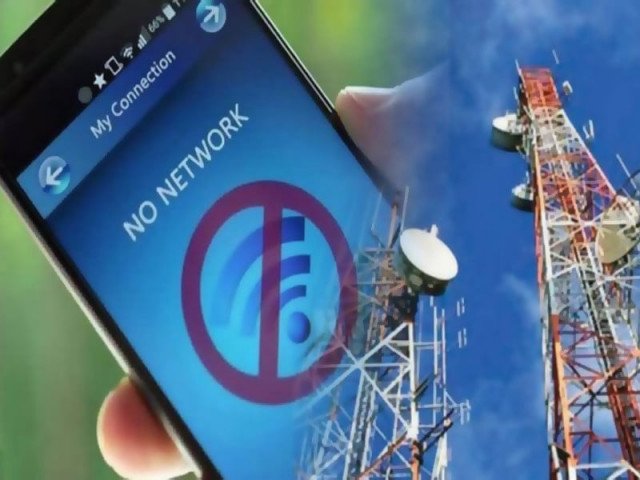
Internet disruptions in Balochistan have once again raised serious concerns about governance, digital rights, and economic stability in Pakistan’s largest province. In December 2025, mobile internet services in Quetta were partially suspended by drastically reducing internet speed, making online services almost unusable for the public.
Although authorities avoided a complete shutdown this time, the outcome for citizens remained the same: broken communication, halted online work, and growing frustration. These repeated internet disruptions in Balochistan are no longer seen as temporary security measures but as a chronic governance issue that affects daily life, education, business, and public trust.
This article explains why internet disruptions continue in Balochistan, how slow internet impacts people, what digital rights are being affected, and what long-term solutions are needed.

Current Internet Situation in Quetta
Mobile internet users in Quetta reported extremely slow data speeds during the latest disruption. While internet signals were technically “available,” basic tasks such as opening emails, using WhatsApp, attending online classes, or processing digital payments became nearly impossible.
Unlike previous blanket shutdowns, authorities adopted a new strategy:
- Internet services were not fully blocked
- Data speeds were reduced to unusable levels
- No official public notice was issued
- No clear duration was announced
For citizens, this partial suspension felt no different from a complete shutdown.

Why Internet Disruptions Keep Happening in Balochistan
Security-Driven Decisions
Government officials often justify internet suspensions on security grounds. Balochistan has faced law and order challenges for years, and authorities believe limiting internet access helps control misinformation, protests, or unrest.
However, critics argue that:
- There is no transparent legal process
- Decisions are often made without public accountability
- Collective punishment affects millions for the actions of a few
Lack of Digital Governance Framework
Pakistan does not have a strong, clearly defined digital rights policy at the provincial level. In Balochistan, this gap is more visible due to weak governance structures and limited institutional oversight.
Without proper regulation:
- Internet shutdowns become an easy administrative tool
- Citizens have no platform to challenge decisions
- Telecom accountability remains weak

Impact of Internet Disruptions on Daily Life
Effect on Students and Education
Students in Quetta and other parts of Balochistan rely heavily on mobile internet for:
- Online classes
- University portals
- Exam preparation
- Digital libraries
Slow internet has resulted in:
- Missed lectures
- Failed online submissions
- Unequal learning opportunities compared to other provinces
For many students, mobile internet is the only available option due to the lack of broadband infrastructure.
Business Losses and Economic Damage
Small businesses, freelancers, and online sellers are among the biggest victims of internet disruptions in Balochistan.
Affected sectors include:
- Freelancing and remote work
- Online shops and digital payments
- Ride-hailing services
- Food delivery platforms
Business owners report:
- Missed orders
- Payment failures
- Loss of customer trust
- Reduced monthly income
In a province already struggling economically, repeated internet disruptions further slow down growth and employment opportunities.

Financial Burden on Mobile Internet Users
Paying Full Price for Broken Services
One of the biggest public complaints is that telecom companies continue charging full subscription fees despite poor or unavailable services.
Users report:
- Data packages expiring unused
- No refunds or extensions
- No official communication from service providers
During a month-long suspension earlier in 2025, telecom companies promised compensation. However, residents claim that:
- Packages were not reactivated
- No relief was given
- Customer complaints were ignored
This has seriously damaged trust between consumers and telecom operators.
Role of Telecom Companies in the Crisis
Telecom companies operate under government instructions, but that does not absolve them of responsibility toward consumers.
Public criticism includes:
- Failure to inform customers in advance
- Continuing to charge during disruptions
- Weak customer support response
- Lack of transparency about service limitations
Observers believe telecom regulators must:
- Enforce consumer protection rules
- Ensure fair billing practices
- Mandate compensation during outages
Digital Rights and Freedom of Expression
Internet Access as a Basic Right
Globally, internet access is increasingly recognized as a basic human right. It enables:
- Freedom of expression
- Access to information
- Economic participation
- Educational equality
Repeated internet disruptions in Balochistan raise serious questions about:
- Constitutional rights
- Equality between provinces
- Digital discrimination
Citizens argue that limiting internet access without due process violates democratic principles.
Public Reaction and Growing Frustration
Public anger over internet disruptions is growing, especially on social media platforms whenever access briefly improves.
Common public sentiments include:
- Feeling isolated from the rest of the country
- Being treated as second-class citizens
- Losing faith in governance systems
Civil society activists warn that suppressing connectivity may:
- Increase resentment
- Deepen mistrust
- Push problems underground instead of solving them
Governance Challenges Highlighted by Internet Disruptions
Repeated disruptions reflect deeper governance problems in Balochistan, including:
- Weak policymaking institutions
- Lack of public consultation
- Poor coordination between federal and provincial authorities
- Absence of long-term digital planning
Experts stress that internet shutdowns are short-term fixes to long-term governance failures.
Comparison With Other Provinces
While internet shutdowns have occurred in other parts of Pakistan, Balochistan experiences:
- More frequent disruptions
- Longer durations
- Less public explanation
- Weaker compensation mechanisms
This uneven digital treatment increases regional inequality and widens the development gap.
Long-Term Solutions for Balochistan’s Internet Crisis
Transparent Legal Framework
The government must define:
- Clear rules for internet restrictions
- Time limits for suspensions
- Mandatory public notices
- Judicial oversight
Consumer Protection and Telecom Accountability
Telecom regulators should:
- Stop billing during outages
- Compensate users automatically
- Improve customer service transparency
- Publish outage reports
Investment in Digital Infrastructure
Improving internet stability requires:
- Better network infrastructure
- Expansion of broadband services
- Reduced dependence on mobile data alone
Dialogue Instead of Disruption
Security challenges cannot be solved by cutting communication. Experts recommend:
- Community engagement
- Information transparency
- Addressing root causes instead of silencing connectivity
Conclusion
Internet disruptions in Balochistan are no longer isolated technical issues; they represent a serious governance and digital rights challenge. The practice of slowing or suspending internet services affects millions of innocent citizens, damages the economy, disrupts education, and erodes trust in institutions.
Without transparent policies, consumer protection, and long-term digital planning, these disruptions will continue to deepen inequality between Balochistan and the rest of Pakistan.
Stable internet access is not a luxury—it is a necessity for development, inclusion, and dignity.
Frequently Asked Questions (FAQs)
1. Why is internet service repeatedly disrupted in Balochistan?
Internet service in Balochistan is often disrupted due to security-related decisions by authorities. Instead of complete shutdowns, the government now reduces internet speed, making services almost unusable. Experts believe weak governance and lack of a clear digital policy are major reasons behind these repeated disruptions.
2. Is mobile internet completely shut down in Quetta?
In most recent cases, mobile internet is not fully shut down but slowed down significantly. Although signals remain active, data speed becomes so low that users cannot effectively use apps, websites, or online services, which feels like a complete shutdown.
3. How do internet disruptions affect students and businesses?
Internet disruptions badly affect students who depend on online classes, exams, and study materials. Businesses, freelancers, and online sellers also suffer losses due to failed payments, missed orders, and communication breakdowns, causing financial damage across Balochistan.
4. Are telecom companies required to compensate users during internet shutdowns?
Currently, there is no strict enforcement to ensure automatic compensation. Although telecom companies have promised relief in past shutdowns, many users report that no compensation or package extension was provided, leading to public dissatisfaction and loss of trust.
5. What long-term solution can stop internet disruptions in Balochistan?
Experts suggest transparent internet governance laws, consumer protection policies, investment in digital infrastructure, and public accountability. Addressing security issues through dialogue rather than communication blackouts is considered the most sustainable solution.