
Sindh Govt Likely to Revise E-Challan Fines After Public Complaints
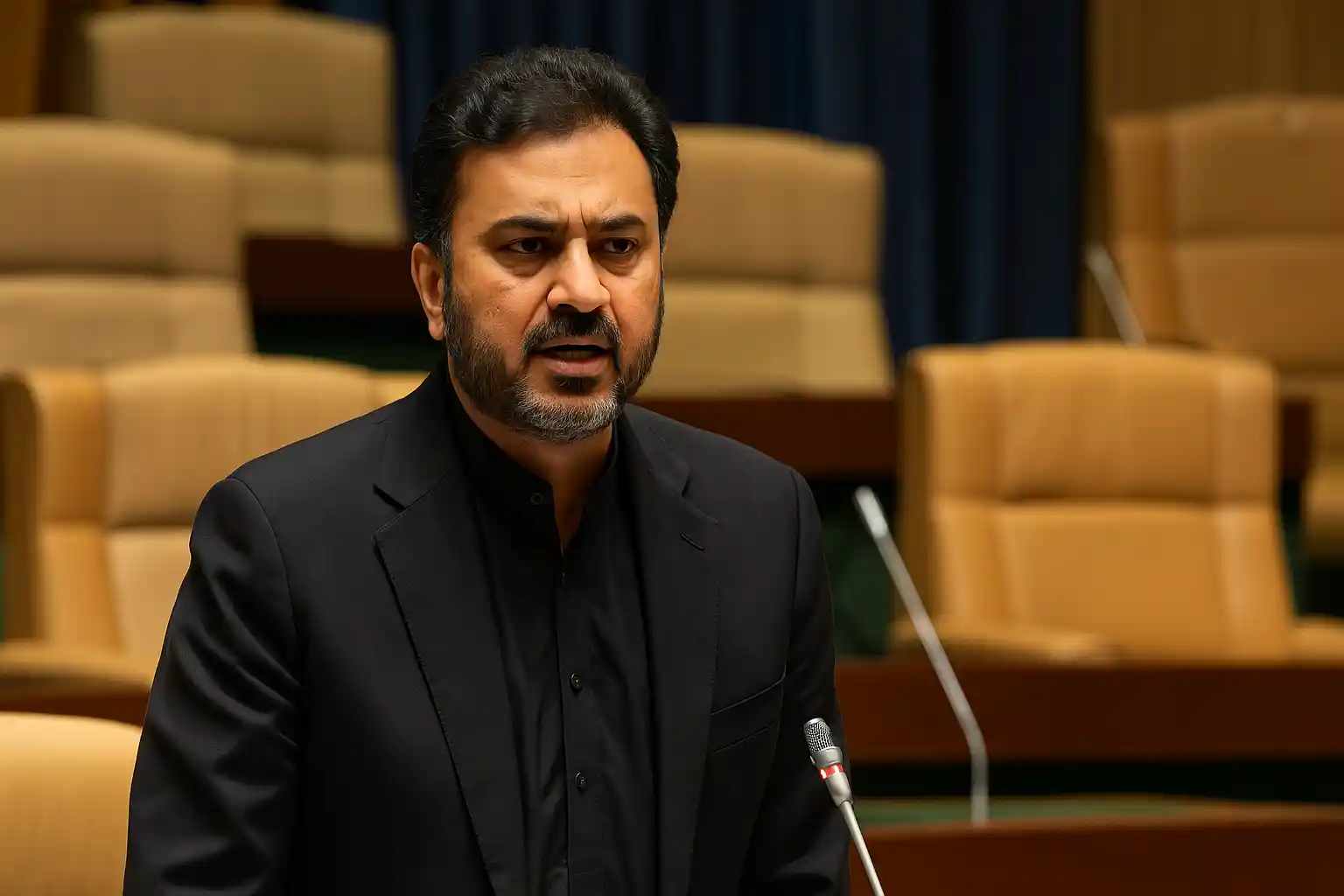
The Sindh government is likely to revise imposed under the E-Challan Fines system following widespread public complaints about high penalties and enforcement issues. Sindh Home Minister Ziaul Hassan Lanjar announced that a high-level committee has been formed to review concerns related to traffic fines, transparency, and implementation of the digital challan system.
The announcement was made during a session of the Sindh Assembly, where opposition members raised objections over what they termed as excessive fines and lack of public facilitation. The home minister assured lawmakers and citizens that the government is open to revisiting traffic laws if the current fine structure is found to be unjust.
The e-challan system, which relies on automated cameras and digital monitoring, has been introduced to improve road discipline and modernize traffic management across the province.
Public Complaints Force Govt Review
In recent weeks, the e-challan system has sparked debate among citizens, particularly in urban areas such as Karachi and Hyderabad. Many motorists have complained that fines are too high and issued without adequate warnings or awareness campaigns.
Social media platforms have also been flooded with criticism, with users questioning whether the system is more focused on revenue collection rather than road safety. Opposition parties echoed these concerns in the Sindh Assembly, prompting the government to take formal notice.
Responding to these objections, Home Minister Ziaul Hassan Lanjar said public feedback is important and the government does not want any policy that creates unnecessary hardship for citizens.

Govt Says Aim Is Road Discipline, Not Revenue
Clarifying the government’s position, Lanjar stated that the primary goal of the e-challan system is to promote traffic discipline and reduce accidents, not to generate income.
“Our objective is awareness and safety. Fines are meant to discourage violations, not to burden the public,” he said.
He added that traffic violations often lead to serious accidents and loss of lives, and strict enforcement is necessary. However, he acknowledged that enforcement must be fair, transparent, and reasonable.
The home minister emphasized that if the committee finds flaws in the existing fine structure, the government will not hesitate to amend the relevant traffic laws.

High-Level Committee Formed
To address the issue, the Sindh government has formed a high-level committee tasked with reviewing all aspects of the e-challan system. According to Lanjar, the committee will examine public complaints, fine amounts, enforcement methods, and transparency issues.
The committee will also review whether current penalties are proportional to the nature of traffic violations and aligned with public convenience.
Importantly, the committee will include members from both the ruling Pakistan Peoples Party (PPP) and the opposition Muttahida Qaumi Movement Pakistan (MQM-P), ensuring political representation and consensus.

Home Minister to Personally Chair Committee
Ziaul Hassan Lanjar announced that he will personally chair the committee, highlighting the seriousness of the matter. He has also directed the Sindh home secretary to issue an official notification regarding the committee’s formation.
The committee is scheduled to hold its first meeting on December 15, where initial discussions and data reviews will take place.
Lanjar said the government wants a balanced approach that ensures law enforcement without alienating citizens.

Expansion of E-Challan System in Sindh
The e-challan system is being rolled out in phases across Sindh, starting with major cities and expanding to other districts. Hyderabad and several other urban centers are currently seeing increased use of automated traffic cameras.
Authorities believe that digital enforcement helps reduce human error, corruption, and selective application of traffic laws. However, critics argue that the system was implemented too quickly without sufficient public awareness or trial periods.
The review committee is expected to assess whether the phased expansion needs adjustments.
Transparency and Accountability Under Review
One of the major concerns raised by the public relates to transparency. Motorists have complained about difficulties in accessing challan details, unclear evidence, and limited options for appeal.
Lanjar acknowledged these concerns and said the committee will examine mechanisms for improving transparency and accountability within the system.
Possible improvements may include clearer notification systems, better online portals, and streamlined appeal procedures.
Opposition Welcomes Review Decision
Opposition lawmakers welcomed the government’s decision to review the e-challan system, calling it a positive step toward public relief.
They urged the government to ensure that any revisions are implemented promptly and communicated clearly to the public.
Opposition leaders also stressed the need for public awareness campaigns to educate drivers about traffic rules, camera locations, and penalty structures.
Public Awareness a Key Issue
Experts believe that lack of awareness has played a major role in public backlash against the e-challan system. Many drivers claim they were unaware of certain violations or fine amounts before receiving challans.
Traffic experts suggest that awareness campaigns through media, social platforms, and road signage could significantly improve compliance and reduce resentment.
The committee is expected to recommend strategies for improving public education on traffic laws.
Possible Changes in Fine Structure
While no final decision has been made, the government has hinted that fine amounts may be revised if deemed excessive.
Lanjar stated that justice and public ease will remain top priorities when reviewing penalties. Minor violations may see reduced fines, while serious offenses related to safety may continue to carry strict penalties.
Any proposed amendments will likely be presented to the Sindh Assembly for approval.
What Happens After December 15?
The first committee meeting on December 15 will mark the beginning of a formal review process. After gathering data and stakeholder input, the committee is expected to submit its recommendations to the provincial government.
Based on these recommendations, the Sindh government may announce revisions to traffic laws, fine structures, or enforcement procedures.
Citizens are advised to continue following traffic rules while the review is underway, as the e-challan system remains fully operational.
Conclusion – Sindh Govt Likely to Revise E-Challan Fines
The Sindh government’s decision to review e-challan fines after public complaints reflects a willingness to listen to citizens and improve governance. While traffic discipline remains essential for road safety, fairness and transparency are equally important.
With a high-level committee in place and cross-party representation, expectations are high that meaningful reforms may follow. The outcome of the December 15 meeting could shape the future of digital traffic enforcement across Sindh.
For now, motorists await relief as the government weighs enforcement against public convenience.