Punjab to Install CCTV Cameras and Biometric Systems in Exam Halls
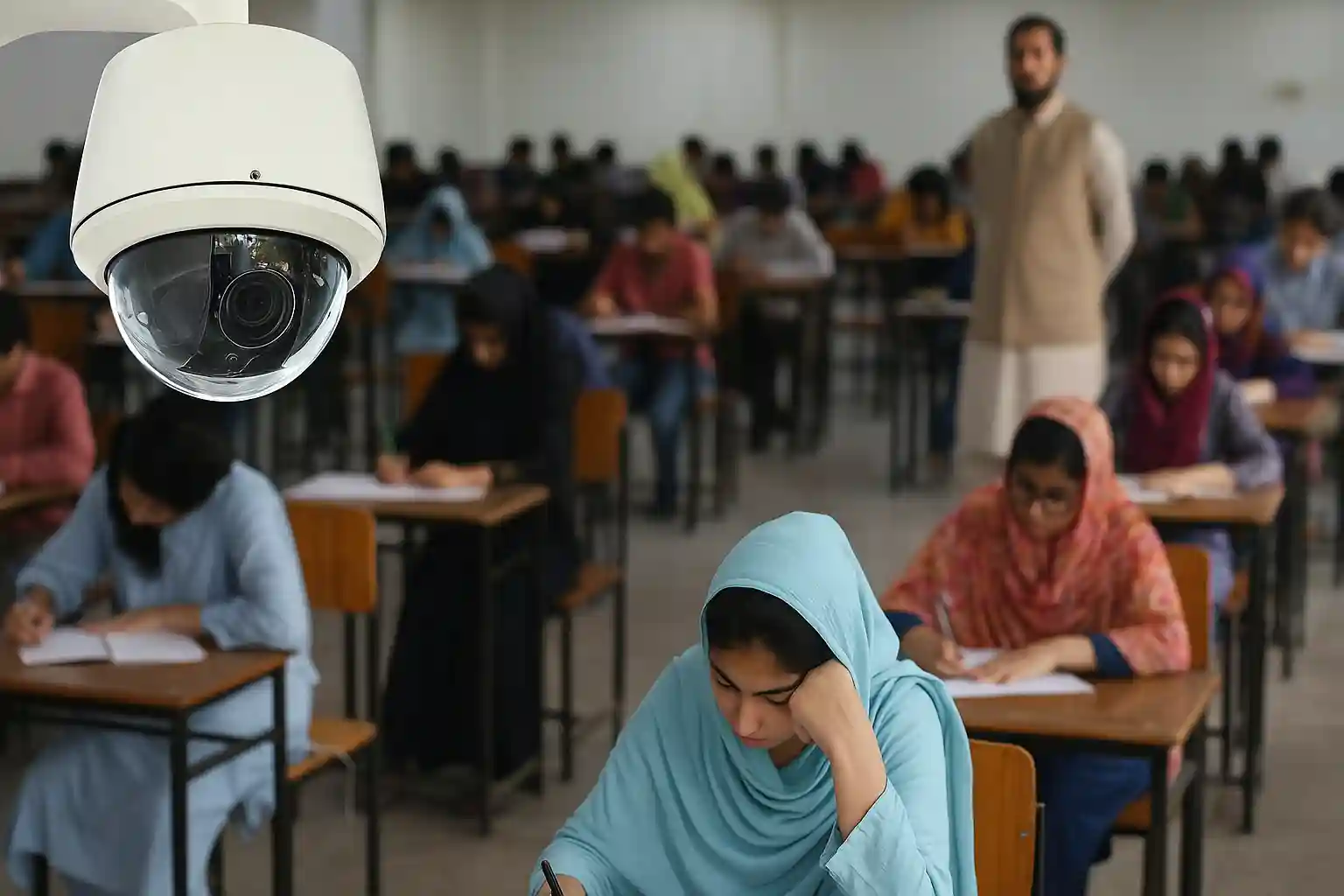
The Punjab government has taken a major step towards improving transparency and discipline in the education system by announcing the installation of CCTV cameras and biometric attendance systems in examination halls and marking centres. The decision aims to curb cheating, paper leaks, fake attendance, and other examination irregularities that have affected the credibility of board exams for years.
The directive was issued by Commissioner Rawalpindi Aamir Khattak after he assumed the acting charge of Chairman, Board of Intermediate and Secondary Education (BISE) Rawalpindi. Education authorities believe this move will help restore public confidence in the examination process and ensure merit-based results.
Zero Tolerance Policy Announced by Acting Chairman
Soon after taking charge, Commissioner Aamir Khattak chaired a high-level meeting of BISE Rawalpindi at the Commissioner’s Office. During the meeting, he announced a zero-tolerance policy against negligence, cheating, paper leaks, and favouritism in examinations.
Strong Message to Education Officials
The acting chairman made it clear that any official found involved in exam-related misconduct would face strict disciplinary action. He instructed board officials to ensure that examination rules are implemented without discrimination.
He further directed that all pending disciplinary cases related to examination issues should be resolved within one week, signaling a tough stance against delays and administrative negligence.

CCTV Cameras to Monitor Sensitive Examination Centres
One of the most important decisions taken during the meeting was the installation of CCTV cameras at examination centres, especially those considered sensitive.
Purpose of CCTV Surveillance
According to officials, CCTV monitoring will help:
- Prevent cheating during exams
- Stop external interference in exam halls
- Identify staff negligence in real time
- Provide evidence in case of complaints
The cameras will be used to closely monitor examination activities and ensure that invigilation staff perform their duties honestly and responsibly.

Biometric Attendance System at Marking Centres
In addition to CCTV surveillance, Commissioner Khattak ordered the implementation of biometric attendance systems at all marking centres.
Why Biometric Verification Is Important
In past years, several complaints were received regarding:
- Fake attendance of examiners
- Proxy staff checking answer sheets
- Unauthorised access to marking centres
The biometric system will ensure that only registered and authorised examiners are allowed to enter marking centres. Officials believe this step will significantly improve the accuracy and fairness of the marking process.

Dedicated Examination Control Room to Be Established
To strengthen monitoring further, the acting chairman directed officials to establish a dedicated examination control room.
Role of the Control Room
The control room will:
- Monitor CCTV footage from exam centres
- Coordinate with district administrations
- Respond immediately to reports of cheating or paper leaks
- Ensure smooth conduct of examinations
This centralised system is expected to improve coordination and help authorities take swift action in case of any irregularities.

Preparations Underway for SSC and HSSC Exams 2026
During the meeting, officials briefed Commissioner Khattak on preparations for the upcoming SSC-I and HSSC-I First Annual Examinations 2026.
Expected Number of Candidates
According to official figures:
- 243,064 students are expected to appear in the SSC First Annual Examination 2026
- 157,856 students will take part in the HSSC First Annual Examination 2026
Given the large number of candidates, authorities emphasised the need for strict monitoring and strong administrative control to ensure fair examinations.
Additional Measures to Improve Exam Transparency
Apart from CCTV cameras and biometric systems, the Punjab government has announced several additional steps to improve transparency in examinations.
Key Measures Include:
- Enhanced monitoring of practical laboratories
- Stronger supervision at marking centres
- Pre-exam training sessions for invigilation and supervisory staff
- Introduction of a new online bill-receiving system for examination staff
- Strict action against examiners if marking mistakes or bias are proven
Officials said these reforms would improve accountability and reduce complaints related to unfair marking.
Transparency Will Not Be Compromised, Says Khattak
Commissioner Aamir Khattak emphasised that transparency and discipline in the examination system would not be compromised under any circumstances.
Clear Instructions for Fair Conduct
He instructed officials to:
- Ensure equal treatment for all candidates
- Maintain strict discipline in exam halls
- Report any suspicious activity immediately
- Follow examination rules without political or personal influence
Education experts believe that strong leadership and strict enforcement are key to making these reforms successful.
Chairman Post Still Vacant at BISE Rawalpindi
The post of Chairman BISE Rawalpindi has remained vacant since October 17, after the completion of former chairman Mohammad Adnan Khan’s three-year term.
Acting Chairman Handling Responsibilities
Until a permanent appointment is made, Commissioner Aamir Khattak is serving as the acting chairman. So far, the Punjab government has not announced when a regular chairman will be appointed.
Education circles have expressed hope that the government will soon appoint a permanent chairman to ensure long-term policy continuity and administrative stability.
Punjab Moving Towards Digital Examination Systems
The decision to introduce CCTV surveillance and biometric attendance is part of Punjab’s broader efforts to modernise the education system.
Shift Towards Technology-Based Exams
Recently, the Punjab government has also announced plans to introduce digital examinations across boards. Authorities believe that technology-based monitoring will help reduce human errors and corruption.
If implemented effectively, these reforms could set a new standard for examination systems in Pakistan.
Challenges in Implementation
While the announcement has been welcomed by parents and students, experts warn that proper implementation will be crucial.
Key Challenges Include:
- Ensuring CCTV cameras remain functional
- Preventing misuse of surveillance systems
- Training staff to handle new technology
- Maintaining data privacy and security
Without proper oversight, even the best systems may fail to deliver expected results.
Conclusion – Punjab Install CCTV Cameras Biometric Systems in Exam Halls
The Punjab government’s decision to install CCTV cameras and biometric systems in exam halls and marking centres is a strong move towards transparent and merit-based examinations. With a zero-tolerance policy against cheating and strict monitoring mechanisms, authorities aim to restore public trust in board exams.
However, the real test will lie in effective implementation, accountability, and continuous monitoring. If enforced properly, these reforms can significantly improve the quality and credibility of examinations in Punjab.