Pakistan Auto Sales Jump 38% in 2025: Signs of Strong Recovery in the Auto Industry
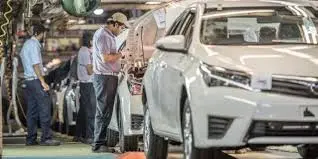
Pakistan auto sales jumped by an impressive 38% in 2025, marking one of the strongest recoveries the country’s automobile industry has seen in recent years. According to sales data shared by major car manufacturers, the surge reflects renewed consumer confidence, improved financing options, and gradual economic stabilization. After facing multiple years of decline due to high prices, import restrictions, and supply chain disruptions, the auto sector is finally showing clear signs of revival.
This sharp increase in vehicle sales is being seen as a positive indicator for Pakistan’s broader economy. The auto industry is closely linked with employment, manufacturing, steel, plastics, and auto parts suppliers. A rebound in car sales not only benefits manufacturers but also strengthens the entire industrial ecosystem.
Overview of Pakistan Auto Industry Performance in 2025
The Pakistan auto industry witnessed strong momentum throughout 2025 as vehicle sales increased across multiple segments. Passenger cars, SUVs, hybrids, and even electric vehicles recorded higher demand compared to previous years. Industry insiders say the recovery gained pace as supply issues eased and waiting periods for vehicle delivery shortened.
Major automakers such as Suzuki, Toyota, Honda, Hyundai, and Haval reported noticeable growth in sales volumes. Small hatchbacks remained popular among middle-income buyers, while SUVs and hybrid vehicles gained traction among urban consumers looking for comfort and fuel efficiency.
The overall improvement suggests that buyers who delayed purchases during the economic slowdown returned to the market once conditions became more favorable.

Key Factors Behind the 38% Rise in Auto Sales
Several factors contributed to the significant jump in Pakistan auto sales in 2025. One of the most important drivers was improving market sentiment. As inflationary pressures eased slightly and economic indicators stabilized, consumers regained confidence to make big purchases like cars.
Another major factor was easier financing conditions. Banks and leasing companies offered relatively flexible auto financing schemes, making it easier for salaried individuals and business owners to afford vehicles. Reduced uncertainty around imports also helped stabilize prices, encouraging buyers to proceed with bookings.
Additionally, supply chain normalization played a crucial role. Over the past year, car manufacturers faced fewer disruptions in parts imports, leading to improved production schedules and faster deliveries.

Performance of Leading Automakers in Pakistan
Almost all major automobile manufacturers operating in Pakistan benefited from the recovery. Suzuki, known for its small and affordable cars, saw higher demand for models like Alto and Cultus. These vehicles remain popular due to lower maintenance costs and better fuel efficiency.
Toyota and Honda also experienced growth, particularly in sedans and crossovers. Hybrid variants attracted buyers concerned about rising fuel prices. Hyundai and Haval, which focus more on SUVs, gained market share as consumers increasingly preferred feature-rich vehicles with modern safety technology.
Industry data suggests that competition among automakers improved product offerings, which further stimulated demand.

Role of Government Reforms in Auto Sector Growth
Government policy changes have played a supportive role in reviving the auto industry. Authorities announced plans to gradually reduce import tariffs by FY2030, aiming to encourage competition and lower vehicle prices over time. This policy direction sent positive signals to both manufacturers and consumers.
By reducing barriers and promoting fair competition, the government hopes to make vehicles more affordable for middle-income families. Analysts believe consistent policy implementation could attract new investment and modernize Pakistan’s automobile market.
Moreover, regulatory clarity helped manufacturers plan production and pricing strategies more effectively, reducing uncertainty that previously discouraged buyers.
Impact of Improved Financing and Consumer Credit
Auto financing emerged as a major contributor to higher sales in 2025. With interest rates stabilizing and banks expanding loan products, more consumers opted for installment-based purchases. Leasing companies also became more active, offering tailored packages for different income groups.
For many buyers, financing turned vehicle ownership into a manageable monthly expense rather than a large upfront cost. This shift significantly boosted demand, especially in urban centers where daily commuting needs are high.
As long as financing remains accessible and transparent, experts expect auto sales growth to continue.
Growing Demand for Hybrid and Fuel-Efficient Vehicles
Rising fuel prices over the past few years changed consumer preferences. In 2025, hybrid vehicles gained popularity due to better fuel economy and lower running costs. Buyers showed increasing interest in models that offer long-term savings despite higher initial prices.
Manufacturers responded by expanding hybrid options and highlighting fuel efficiency in marketing campaigns. This trend aligns with global shifts toward environmentally friendly vehicles and reduced dependence on fossil fuels.
Fuel efficiency has become a key decision-making factor for Pakistani consumers, influencing sales patterns across segments.
Electric Vehicles Gaining Momentum in Pakistan
Electric vehicles (EVs) continued to gain traction in Pakistan’s auto market during 2025. Government incentives such as reduced duties, tax exemptions, and lower registration costs encouraged EV adoption, especially in major cities.
Urban consumers increasingly see EVs as a cost-effective and eco-friendly alternative for daily use. Although charging infrastructure remains limited, private and public initiatives are slowly expanding charging networks.
Automakers are expected to introduce more electric and hybrid models as policy support continues, signaling a gradual shift toward cleaner mobility solutions.
Supply Chain Stability and Shorter Booking Delays
One of the major frustrations for car buyers in previous years was long waiting periods. In 2025, supply chain conditions improved, allowing manufacturers to reduce delivery times. Easier access to imported components helped stabilize production schedules.
Shorter booking delays restored buyer confidence and reduced speculative booking practices. Customers were more willing to place orders when delivery timelines became predictable.
This operational improvement played a vital role in boosting overall vehicle sales.
Economic Impact of Auto Industry Recovery
The recovery of Pakistan’s auto industry has broader economic implications. The sector supports thousands of jobs directly and indirectly, including assembly workers, dealerships, parts suppliers, and logistics providers.
Higher vehicle sales contribute to government revenue through taxes, registration fees, and duties. Increased industrial activity also supports related sectors such as steel, rubber, glass, and electronics.
A strong auto industry often reflects improving economic conditions, making the 38% sales growth an encouraging sign for policymakers.
Challenges That Still Remain
Despite the positive momentum, challenges remain. Vehicle prices are still high compared to average incomes, limiting access for many potential buyers. Currency volatility and global commodity price fluctuations can also impact costs.
Additionally, policy consistency is crucial. Sudden regulatory changes could disrupt the recovery and discourage investment. Infrastructure gaps, particularly for EV charging, need attention to support long-term growth.
Addressing these issues will be essential to sustain the upward trend in auto sales.
Future Outlook for Pakistan Auto Industry
Experts believe that if current policies remain consistent, Pakistan auto industry vehicle sales could continue growing in the coming years. Gradual tariff reductions, expanding financing options, and increased focus on fuel-efficient and electric vehicles are expected to drive demand.
Manufacturers are likely to invest in new models, technology upgrades, and localized production. Consumers, on the other hand, may benefit from better choices, improved quality, and competitive pricing.
The 38% jump in 2025 could mark the beginning of a more stable and modern phase for Pakistan’s automobile sector.
Conclusion
The 38% rise in Pakistan auto sales in 2025 reflects a strong rebound driven by improved economic sentiment, better financing, supportive government policies, and growing interest in hybrid and electric vehicles. Major automakers benefited from stabilized supply chains and renewed consumer confidence.
While challenges persist, the overall outlook remains positive. If reforms continue and market stability is maintained, Pakistan’s auto industry could play a key role in economic growth and industrial development in the years ahead.
Frequently Asked Questions (FAQs)
1. Why did Pakistan auto sales increase by 38% in 2025?
Pakistan auto sales increased mainly due to improved economic conditions, easier auto financing, better supply chain stability, and renewed consumer confidence. Government policy support and growing interest in hybrid and electric vehicles also played an important role.
2. Which car companies performed best in Pakistan in 2025?
Leading automakers such as Suzuki, Toyota, Honda, Hyundai, and Haval reported strong growth. Suzuki led in small cars, while Toyota, Honda, Hyundai, and Haval performed well in sedans, SUVs, and hybrid segments.
3. Did government policies help boost auto sales in Pakistan?
Yes, government reforms such as plans to gradually reduce import tariffs by FY2030, improved regulatory clarity, and incentives for electric vehicles helped stabilize prices and encouraged buyers to return to the market.
4. How did auto financing impact vehicle sales in 2025?
Auto financing made car ownership more affordable by allowing buyers to pay in monthly installments. Banks and leasing companies offered flexible loan options, which significantly increased demand, especially among middle-income consumers.
5. Are hybrid vehicles becoming popular in Pakistan?
Yes, hybrid vehicles gained popularity due to rising fuel prices and better fuel efficiency. Many buyers prefer hybrids because they offer long-term savings and lower running costs compared to conventional cars.