
Perth Weather Alert Explained: Why Storms Are Getting More Severe
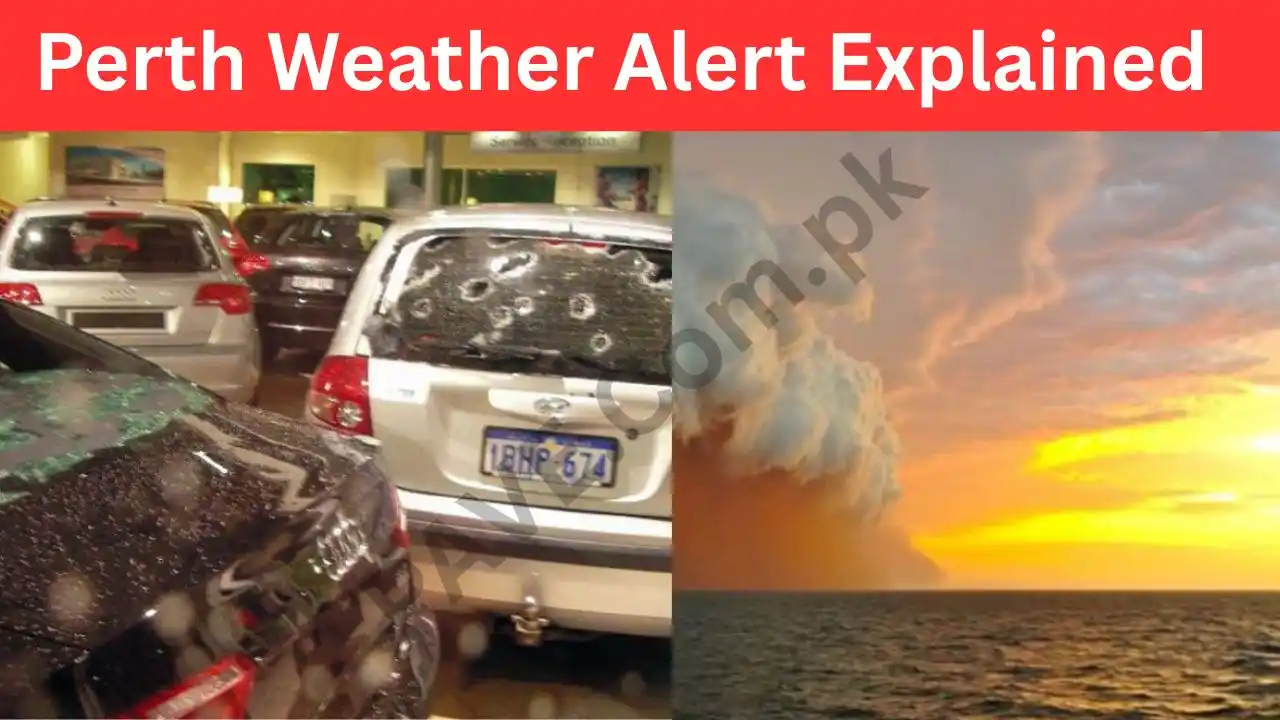
Today December Update: Perth weather today has become a major point of concern as storm warnings, heavy rainfall alerts, and hail risks continue to appear more frequently than in previous years. What once felt like occasional extreme weather is now becoming a repeated pattern, raising questions among residents about why Perth storms are getting more severe and what factors are driving this change.
This explainer breaks down the science, local conditions, and warning systems behind the current Perth storm warning trend, helping readers understand what is happening and what to expect next.
What Is Happening With Perth Weather Today
Over the last few days, meteorological agencies have issued severe thunderstorm warnings for parts of Perth and wider Western Australia. These alerts mention risks such as large hail, intense rainfall, flash flooding, and damaging wind gusts.
Such warnings are no longer rare. Instead, they are appearing multiple times within a single season, which signals a broader shift in weather behaviour rather than isolated events.

Why Perth Is Experiencing More Severe Storms
Rising Atmospheric Instability
One of the key reasons behind stronger storms is higher atmospheric instability. When warm air near the ground rises rapidly and collides with cooler air above, it creates powerful storm systems. Perth has recently experienced warmer surface temperatures, which increase the energy available for thunderstorms.
This extra energy allows storms to grow taller, last longer, and produce more intense rain and hail.
Increased Moisture in the Air
Another major factor is higher moisture levels in the atmosphere. Moist air acts as fuel for storms. When storms form in a moisture-rich environment, they can release large amounts of rain in a short period, increasing the risk of urban flooding and waterlogged roads.
In Perth, moisture is often drawn inland from the Indian Ocean, especially during unstable weather patterns.
Changing Climate Patterns
Climate researchers note that extreme weather events are becoming more frequent globally, and Western Australia is not immune. While no single storm can be blamed on climate change alone, long-term trends show that warmer conditions can intensify rainfall events and increase the likelihood of severe storms.
This means Perth storm warnings are now more likely to involve multiple hazards at once, such as hail, flooding, and damaging winds.

Why Hail Is Becoming a Bigger Threat in Perth
Stronger Updrafts Inside Storms
Hail forms when strong upward air currents carry ice particles high into storm clouds. As storms become more powerful, these updrafts grow stronger, allowing hailstones to increase in size before falling to the ground.
Recent Perth storms have shown conditions suitable for large hail, which can damage cars, rooftops, and crops in surrounding areas.

Flooding Risk in Urban Areas
How Heavy Rain Overwhelms Drainage Systems
Perth’s urban infrastructure is designed to handle normal rainfall, but short bursts of intense rain can overwhelm drainage systems. When rain falls faster than it can drain away, water pools on roads and in low-lying areas, leading to flash flooding.
This is why recent Perth weather alerts often mention localized flooding, even if total rainfall over the day does not seem extreme.

How Perth Storm Warnings Are Issued
Understanding the Alert System
Weather authorities issue Perth storm warnings based on real-time data from radar, satellites, and weather models. These warnings are designed to:
- Alert the public to immediate danger
- Reduce injury and property damage
- Give people time to take precautions
A “severe thunderstorm warning” usually means conditions are already developing or expected within hours.
What Residents Should Do During Severe Weather Alerts
Practical Safety Steps
When a Perth storm warning is active, residents are advised to:
- Stay indoors during hail or strong winds
- Avoid driving through flooded roads
- Secure loose outdoor items
- Monitor official weather updates
Simple precautions can significantly reduce risk during severe weather events.
Is This the New Normal for Perth Weather?
What Experts Are Saying
Many experts believe Perth will continue to experience more frequent severe weather events, especially during storm-prone seasons. While not every week will bring extreme conditions, the overall pattern suggests greater variability and intensity in future weather.
This makes staying informed about Perth weather today more important than ever.
Why “Explainer” Weather Content Is Gaining Attention
Search trends show that people are no longer just asking “What is the weather?” They now want to know:
- Why storms are happening
- Whether they are becoming more dangerous
- How long these patterns may last
That is why explainer-style weather articles are gaining visibility on Google Discover and search platforms.
Final Takeaway
The rise in severe storm warnings across Perth is driven by a mix of atmospheric instability, increased moisture, and changing climate patterns. These factors are combining to produce storms that are stronger, wetter, and more unpredictable than before.
Understanding why Perth storms are becoming more severe helps residents make safer decisions and better prepare for future weather events. As Perth weather today continues to evolve, awareness and timely information remain the most effective tools for staying safe.