
German Government Cancels Afghan Refugee Program Over Security Issues
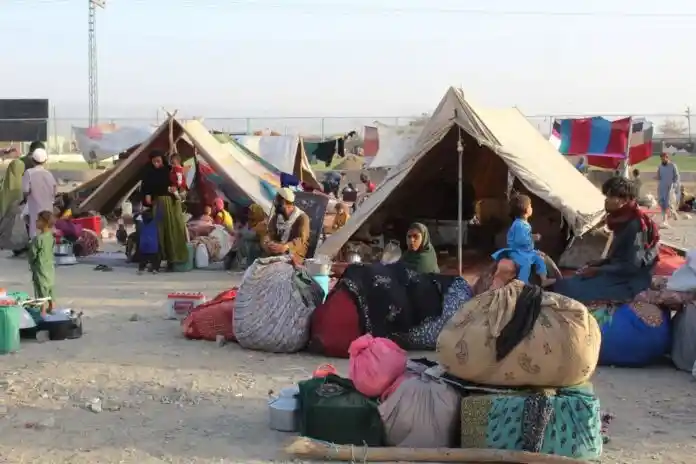
The German government has recently announced a strict and unprecedented decision regarding Afghan refugees, declaring the immediate termination of the Afghan refugee program. This move has significant implications for Afghan nationals seeking asylum in Germany and marks a major shift in the country’s immigration policies.
The decision has been made in the context of security concerns, involvement of some Afghan nationals in criminal activities, and the extremist policies of the Taliban government in Afghanistan. German authorities believe that the current geopolitical and security conditions make it difficult to continue the previous refugee programs.
Background of the Decision
The Afghan refugee program in Germany was originally designed to provide protection and safe entry for Afghan nationals fleeing conflict and instability in their country. Over the years, thousands of Afghan citizens, including former local staff of the German military, journalists, and human rights workers, have relied on this program for legal entry and resettlement.
However, recent security challenges and concerns about criminal activities among a small subset of Afghan nationals prompted German authorities to reconsider the program. The decision to terminate the program reflects a combination of internal security considerations, the Taliban’s policies in Afghanistan, and international pressure regarding terrorism and extremist support networks.

Security Concerns and Taliban Extremism
One of the main reasons cited for this strict decision is security concerns. Germany has limited its diplomatic relations with Afghanistan due to the growing influence of the Taliban and its association with extremist elements. Allegations that the Taliban supports terrorist networks have heightened global anxiety about the potential risks of Afghan refugees entering European countries.
Experts warn that if the Taliban continues its extremist policies and backing of terrorist elements, Afghanistan could face further global isolation and sanctions. These geopolitical and security risks played a significant role in Germany’s decision to stop accepting new Afghan refugees.

Impact on Afghan Refugees
The immediate termination of the refugee program means that Afghan nationals hoping to enter Germany will no longer have a legal pathway under the program. DW News reports that Germany has already refused entry to 640 Afghan refugees and withdrawn previous promises and agreements. These include individuals who were at high risk due to their work with German institutions, media, and human rights organizations.
Chancellor Friedrich Merz has emphasized that immigration policies will now be stricter, and Afghan nationals waiting to enter Germany will face significant challenges. The Ministry of Interior clarified that no new entries will be allowed and that previous commitments cannot be honored due to legal and security constraints.

Germany’s Policy Enforcement
A spokesperson from the German Ministry of Interior stated that Germany no longer has political interest in Afghan refugee matters. Afghan nationals were informed via email that under Article 22 of the Residence Law, there is no legal basis for entry into Germany.
This measure ensures that the government’s policies are enforceable, providing clarity on legal frameworks and avoiding further confusion. Authorities have also highlighted that deportations of Afghan nationals involved in criminal activities will continue. Reports indicate that Germany deported 28 Afghan nationals in 2024 and 81 in 2025 for criminal involvement.

Diplomatic and International Implications
Germany’s decision has wider diplomatic and international consequences. The move demonstrates a shift in Germany’s approach toward Afghanistan and could influence other countries with Afghan refugee programs. Australia, for example, has hinted at closing the Afghan embassy in Canberra, showing that other nations are also reassessing their engagement with Afghanistan under the Taliban regime.
International experts suggest that if the Taliban does not curb extremist activities, Afghanistan may face isolation and stricter measures from the global community. This includes economic sanctions, travel restrictions, and decreased foreign assistance.
Social and Humanitarian Concerns
The termination of the Afghan refugee program has raised concerns among humanitarian organizations. Many Afghan nationals, including vulnerable populations such as journalists, human rights workers, women, and children, may now struggle to find safe entry into Germany or other European countries.
Organizations have urged Germany to consider humanitarian exceptions for individuals at high risk of persecution or violence in Afghanistan. Balancing security concerns with humanitarian obligations remains a challenge for policymakers.
Economic and Political Context
Germany has long been a destination for refugees and asylum seekers due to its strong economy and stable governance. However, rising concerns about integration, crime, and security have led to stricter policies in recent years.
The decision to terminate the Afghan refugee program also aligns with political promises to tighten immigration laws. Chancellor Merz has stated that Germany aims to ensure national security while maintaining strict oversight over all immigration channels.
Alternatives for Afghan Nationals
With the German refugee program terminated, Afghan nationals may need to explore alternative pathways for legal entry into Europe or other countries. Some potential alternatives include:
- Private Sponsorship Programs: Some countries allow private sponsorship for humanitarian cases.
- United Nations Refugee Programs: Afghan nationals may apply through UNHCR programs for resettlement in safer countries.
- Regional Safe Zones: Neighboring countries may offer temporary humanitarian assistance or safe passage.
Experts advise Afghan nationals to stay informed and seek guidance from legal aid organizations to avoid entering countries illegally, which could lead to detention or deportation.
Reactions from Afghan Community and Human Rights Groups
The decision has sparked concern among Afghan communities globally. Many have expressed fears about safety, future opportunities, and access to education and healthcare. Human rights groups have criticized the decision, calling for exceptions for vulnerable populations and urging international cooperation to support Afghan refugees.
Conclusion
The German government’s decision to terminate the Afghan refugee program is a significant development with legal, humanitarian, and diplomatic implications. Security concerns, criminal activity among certain Afghan nationals, and the Taliban’s extremist policies have been central to this decision.
While the move addresses security risks, it also raises humanitarian concerns for Afghan nationals at risk. The international community continues to watch Germany’s approach, and the decision may influence broader refugee and immigration policies worldwide.
Afghan nationals seeking asylum must now explore alternative routes, remain informed, and engage with legal and humanitarian organizations to ensure safety and protection.
FAQs
1. Why did Germany terminate the Afghan refugee program?
Germany cited security concerns, involvement of some Afghan nationals in criminal activities, and the extremist policies of the Taliban government in Afghanistan.
2. Are any Afghan nationals allowed to enter Germany now?
No, under the terminated program, new entries are not permitted. Those awaiting entry under previous arrangements are also affected.
3. What happens to Afghan refugees already in Germany?
Refugees already residing in Germany under legal agreements will continue to have their status, but no new arrivals are allowed under the program.
4. Is this decision legally justified?
Yes, the German government refers to Article 22 of the Residence Law, which provides the legal basis for denying entry in specific cases.
5. How does this affect international relations?
The decision may influence other countries’ policies toward Afghanistan and highlights global concerns over security and extremism