
Baby Born in Waymo Driverless Taxi in San Francisco: Rare Autonomous Vehicle Incident
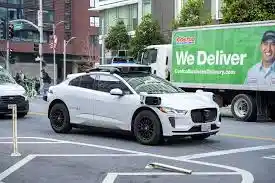
In a rare and astonishing incident in San Francisco, California, a woman gave birth inside a fully driverless autonomous taxi, making headlines across the United States and worldwide. This extraordinary event involved a Waymo self-driving robotaxi, highlighting both the advancement of autonomous vehicle technology and the unpredictability of real-life situations.
The incident occurred on December 15, 2025, when the woman had booked a Waymo taxi to travel to the University of California. However, while en route, she unexpectedly went into labor and gave birth before reaching her intended destination. Both mother and child were safely transported to the hospital by the driverless car, marking a historic first in autonomous vehicle-assisted childbirth.
What Happened During the Autonomous Taxi Ride
The woman had scheduled her Waymo robotaxi for a routine trip, unaware that she would go into labor. As the car navigated the streets of San Francisco without a human driver, the labor pains intensified, and the situation became urgent.
Waymo’s vehicle support team noticed unusual activity inside the car, prompting immediate action. They contacted the passenger and simultaneously alerted emergency services via 911. The autonomous system continued to operate safely, navigating traffic and reaching the nearest hospital while the mother delivered her baby inside the taxi.
This incident demonstrates the reliability and safety features of modern self-driving technology, as the autonomous car ensured that both mother and child arrived at the hospital without any complications.

The Role of Waymo Robotaxi in Safe Childbirth
Waymo, a subsidiary of Alphabet Inc., operates one of the most advanced fleets of autonomous vehicles in the United States. The company uses cutting-edge sensors, cameras, and artificial intelligence to navigate complex urban environments.
In this case, the Waymo robotaxi acted as more than just transportation. Its autonomous navigation, emergency alert systems, and real-time communication with the support team played a crucial role in ensuring the safety of both mother and child. Experts say that this incident may set a precedent for emergency assistance in driverless vehicles in the future.
The Waymo support team’s prompt communication with 911 also highlights how autonomous vehicle operators can coordinate with emergency services in real-time, even in unexpected scenarios such as childbirth.

Reactions from the Mother and Hospital Authorities
According to hospital authorities, both the mother and her newborn baby are safe and receiving medical care. The medical team confirmed that no complications occurred during the birth and praised the autonomous taxi for ensuring a rapid and safe arrival at the hospital.
The mother reportedly expressed her amazement at giving birth in a driverless vehicle and thanked the Waymo support team and emergency responders for their assistance. This incident has drawn significant attention, with many calling it a milestone in autonomous vehicle history.

Significance of the Event for Autonomous Vehicle Technology
This event underscores the growing role of autonomous vehicles in everyday life. While driverless cars are primarily used for commuting, ridesharing, and transportation, they are now being recognized for their potential in emergency situations.
Experts suggest that self-driving taxis could play a vital role in providing safe and timely transportation during medical emergencies. In urban areas where traffic congestion can delay ambulances, autonomous taxis equipped with emergency response protocols may save lives.
This incident also demonstrates public trust in autonomous vehicles, as passengers are increasingly relying on them for critical situations. Companies like Waymo continue to improve AI algorithms, emergency responsiveness, and communication systems to handle real-world unpredictability.

How Emergency Services Coordinated with Waymo
The successful outcome of this incident was made possible by the efficient coordination between Waymo’s support team and local emergency responders. As soon as the unusual situation was detected, the team contacted the passenger to assess the urgency. They simultaneously notified 911, ensuring that medical personnel were ready upon arrival.
Emergency service coordination with autonomous vehicles is a new and evolving field. This incident provides a case study for integrating AI-driven transport systems with human responders, especially in scenarios that require immediate intervention.
Implications for Public Safety and Autonomous Transportation
This incident may influence public perception of self-driving cars, highlighting their potential benefits beyond conventional transportation. Key implications include:
- Emergency Preparedness: Autonomous vehicles could become a reliable option for emergency transport when traditional ambulances are delayed.
- Technology Trust: Successful handling of critical situations can increase public confidence in AI-driven transportation.
- Healthcare Access: Self-driving cars could assist patients, pregnant women, and elderly citizens in reaching hospitals efficiently.
- Policy and Regulation: Governments may consider regulations to integrate autonomous vehicles with emergency response protocols.
Experts believe that as autonomous vehicles become more widespread, integrating them into public health and emergency response systems could become a standard practice.
Waymo’s Response to the Incident
Waymo issued a statement confirming the incident and emphasizing the safety features of its autonomous taxis. The company highlighted that its AI technology is designed to respond to unusual events and coordinate with support teams to ensure passenger safety.
Waymo’s spokesperson stated, “While autonomous taxis are primarily designed for everyday transportation, this incident demonstrates their capability to assist passengers in extraordinary circumstances. We are thrilled that both mother and baby are safe and healthy.”
The company also reassured the public that autonomous taxis are equipped with continuous monitoring and emergency alert systems to handle real-time incidents effectively.
Historical Context: Autonomous Vehicles and Emergencies
While autonomous vehicles have been on public roads for several years, this is one of the first widely reported cases where a driverless taxi directly assisted in a childbirth emergency.
Previously, autonomous cars have been noted for safe navigation, accident prevention, and traffic optimization. However, this incident highlights a new dimension: the potential for driverless cars to provide real-time, life-saving assistance during critical events.
Experts predict that incidents like these could lead to the development of AI protocols specifically designed for medical emergencies, including childbirth, cardiac events, and accidents.
Future of Autonomous Vehicles in Healthcare and Emergency Services
The successful handling of childbirth in a Waymo robotaxi may pave the way for broader integration of autonomous vehicles into healthcare services. Possible future applications include:
- Emergency Ambulance Alternatives: Self-driving taxis could serve as backup emergency transport options in congested cities.
- Remote Medical Monitoring: Vehicles may be equipped with sensors to monitor passengers’ health in real-time.
- AI-Assisted Medical Guidance: Autonomous taxis could provide audio or video guidance during medical emergencies until paramedics arrive.
As technology advances, the synergy between autonomous vehicles and healthcare could revolutionize emergency response systems globally.
Public Reaction and Media Coverage
The news of a baby being born in a driverless taxi has captured international attention. Social media platforms and news outlets across the world have highlighted the story, praising both the mother’s courage and the efficiency of autonomous technology.
Many people expressed amazement at the idea of childbirth happening inside a self-driving car, while technology enthusiasts see it as proof of the reliability and sophistication of AI-driven vehicles.
Public discussions have also emphasized the importance of integrating AI with human support systems to handle unexpected emergencies effectively.
Conclusion
The birth of a baby in a Waymo driverless taxi in San Francisco is a remarkable event that combines human resilience with technological innovation. This incident highlights the potential of autonomous vehicles to handle emergency situations, demonstrating the reliability of AI-driven transportation.
As self-driving technology continues to evolve, incidents like this may become more common, emphasizing the importance of integrating AI with emergency response systems. The successful outcome ensures that both mother and child are safe, while also inspiring confidence in autonomous vehicles worldwide.
FAQs
1. Was anyone driving the taxi?
No, the Waymo robotaxi was fully autonomous with no human driver.
2. Where did the incident take place?
The incident occurred in San Francisco, California, USA.
3. Who helped during the emergency?
Waymo’s support team and 911 emergency services coordinated to ensure the safety of mother and child.
4. Is the mother and baby safe?
Yes, hospital authorities confirmed that both mother and newborn are safe and receiving medical care.
5. Can autonomous taxis be used in emergencies in the future?
Yes, this incident demonstrates that autonomous taxis could assist in emergency situations, including medical transport.