Petrol Prices Likely to Increase by Rs 1.43 per Litre from December in Pakistan
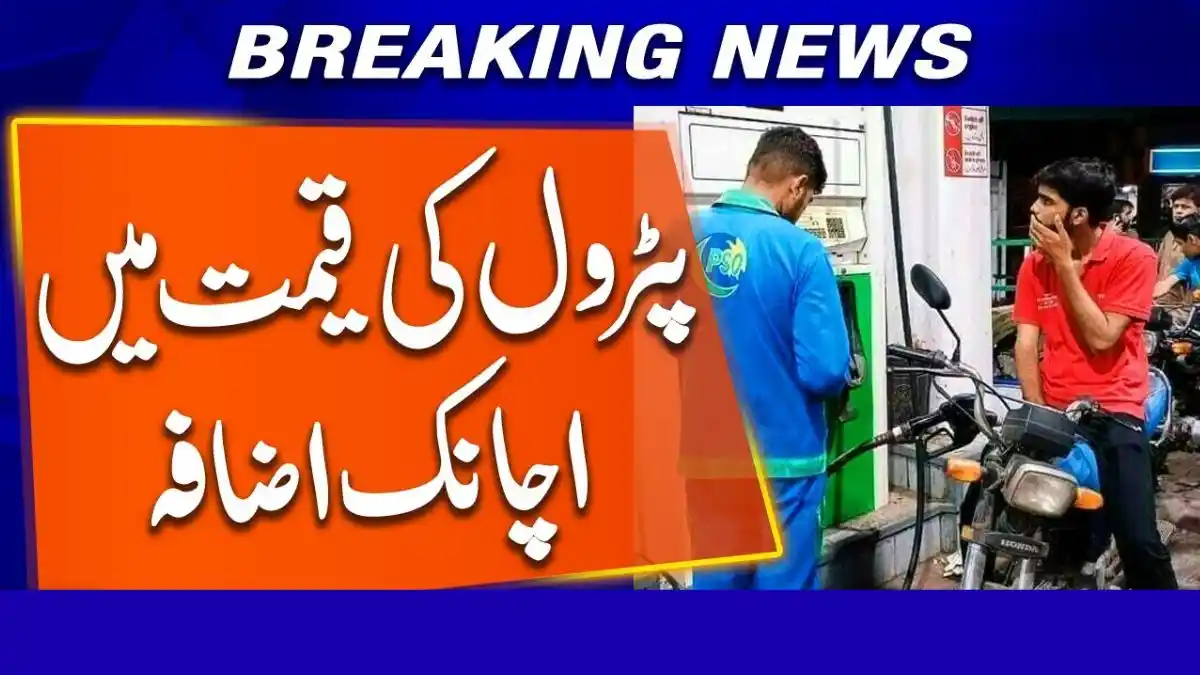
Petrol prices in Pakistan are expected to increase slightly from December, adding further pressure on commuters and middle-income households. According to market estimates, the price of petrol (motor spirit) may rise by Rs 1.43 per litre in the upcoming fortnightly review.
If approved, the price of petrol is likely to move from Rs 263.45 per litre to Rs 264.87 per litre. While the increase may appear small, it comes at a time when inflation remains high and household budgets are already stretched.
The expected hike follows global oil price movements, stable exchange rates, and ongoing adjustments in the domestic petroleum pricing mechanism.
What is the petrol price in Pakistan today?
As of the current pricing cycle, the petrol price in Pakistan stands at Rs 263.45 per litre. However, market estimates suggest that petrol prices may increase by Rs 1.43 per litre from December 16, which could take the new price to around Rs 264.87 per litre, subject to official government notification.
Why are petrol prices increasing in Pakistan?
Petrol prices in Pakistan are increasing mainly due to international oil market trends, import costs, and government taxes. Although global petrol prices have not risen sharply, limited declines, stable exchange rates, and adjustments in the petroleum levy and margins keep local prices under upward pressure.
What is the price of 1 litre of petrol today?
The current price of 1 litre of petrol in Pakistan is Rs 263.45. This rate applies nationwide and is reviewed every 15 days by the government. A slight increase is expected in the upcoming review, depending on final approval.
How much tax is on 1 litre of petrol in Pakistan?
A significant portion of the petrol price in Pakistan consists of government taxes and levies. This includes the petroleum levy, sales tax (where applicable), and other charges. On average, taxes and levies can make up over Rs 80 per litre, though the exact amount varies based on government policy and fiscal requirements.
Why Petrol Prices Are Expected to Rise
The projected increase in petrol prices is mainly linked to international market trends and limited room for downward adjustment.
Global Petrol Prices Remain Firm
Data compiled by market analysts shows that:
- The average international price of gasoline (petrol) stood at $75.20 per barrel during the first half of December
- The decline in petrol prices globally was much smaller compared to diesel
- This limited drop reduces the possibility of a price cut in Pakistan
Unlike diesel, petrol did not see a sharp fall in international markets, which explains why local prices are expected to edge up instead of declining.

Stable Rupee Limits Price Relief
Another key factor influencing petrol prices is the exchange rate.
- The Pakistani rupee remained largely stable against the US dollar
- The average exchange rate hovered around Rs 280.59 per dollar
- While stability prevents sharp increases, it also limits chances of price cuts
Since petroleum products are imported, any major relief depends on either a strong rupee or a sharp fall in global prices — neither of which occurred during the review period.

Current and Expected Petrol Prices
Here is a comparison of current and expected petrol rates:
Petrol Price Comparison
- Current price: Rs 263.45 per litre
- Expected price: Rs 264.87 per litre
- Increase: Rs 1.43 per litre
The final price will be announced by the government after reviewing recommendations from the Oil and Gas Regulatory Authority (OGRA).

Impact on Daily Commuters
Petrol is primarily used by:
- Motorcycles
- Cars
- Ride-hailing services
- Small commercial vehicles
Urban Households to Feel the Impact
A price increase, even a minor one, directly affects:
- Daily office commuters
- Students
- Small business owners
- Ride-hailing drivers
Motorcycles, which are widely used by lower- and middle-income families, run exclusively on petrol. As a result, any increase has an immediate impact on household expenses.
Comparison with Diesel Prices
Interestingly, the petrol price hike comes at a time when diesel prices are expected to fall sharply.
Uneven Fuel Price Movement
- Diesel prices may drop by Rs 13.69 per litre
- Petrol prices are expected to increase by Rs 1.43 per litre
This uneven trend highlights the different dynamics of global fuel markets and domestic pricing structures.
Government’s Role in Fuel Pricing
Fuel prices in Pakistan are reviewed every 15 days, taking into account several factors:
Key Pricing Components
- International oil prices
- Exchange rate movements
- Petroleum levy (PL)
- Sales tax and customs duties
- Oil marketing company (OMC) margins
While petrol prices are technically linked to global rates, the government has flexibility through taxes and levies.
Petroleum Levy Could Affect Final Prices
Analysts warn that the government may continue to rely on the petroleum levy to meet revenue targets.
Revenue Considerations
- Petroleum levy is a major source of non-tax revenue
- Any adjustment in PL can offset global price relief
- This limits the benefit passed on to consumers
Even if international prices decline, higher levies can keep local prices elevated.
Oil Marketing Companies’ Margins Under Review
In addition to petrol prices, OMC margins may also be revised.
Possible Margin Increase
- OMC margins could be increased by Rs 0.61 per litre
- The proposal is pending approval from the Economic Coordination Committee (ECC)
If approved, this may slightly influence final petrol prices in future reviews.
Inflationary Impact of Petrol Price Increase
Petrol prices play a key role in overall inflation, especially in urban areas.
Effects on Inflation
- Higher commuting costs increase household expenses
- Transport fares may rise gradually
- Cost of services could increase
Even small increases contribute to inflationary pressure, particularly when combined with electricity and gas tariff hikes.
Public Reaction and Expectations
Public reaction to fuel price changes remains mixed.
Growing Public Concern
- Citizens expect relief amid falling global oil prices
- Repeated increases create frustration
- Middle-income groups are most affected
Many consumers question why petrol prices continue to rise despite lower international rates for other fuels.
What to Expect Next
The final decision on petrol prices will be announced by the government ahead of December 16.
Key Things to Watch
- Official OGRA summary
- Government decision on petroleum levy
- ECC approval on OMC margins
- Global oil price trends
Any last-minute policy decision could alter the final price.
Tips for Consumers to Manage Fuel Costs
With petrol prices likely to rise, consumers can consider:
- Reducing unnecessary travel
- Carpooling where possible
- Regular vehicle maintenance to improve fuel efficiency
- Using public transport when available
Small changes can help offset the impact of rising fuel costs.
Conclusion – Petrol Prices Likely to Increase December 16 in Pakistan
Petrol prices in Pakistan are expected to increase by Rs 1.43 per litre from December 15, taking the price close to Rs 265 per litre. The expected hike is driven by stable global petrol prices, a steady rupee, and limited fiscal space for relief.
While diesel users may benefit from a significant price cut, petrol consumers are unlikely to see any relief in the short term. With inflation already high, even a small increase adds to financial pressure on households.
All eyes are now on the government’s official announcement, which will determine whether the estimated increase is implemented fully or adjusted through taxes and levies.