Govt Electric Rs. 100 Billion EV Incentive Aims to Transform Pakistan’s 2026
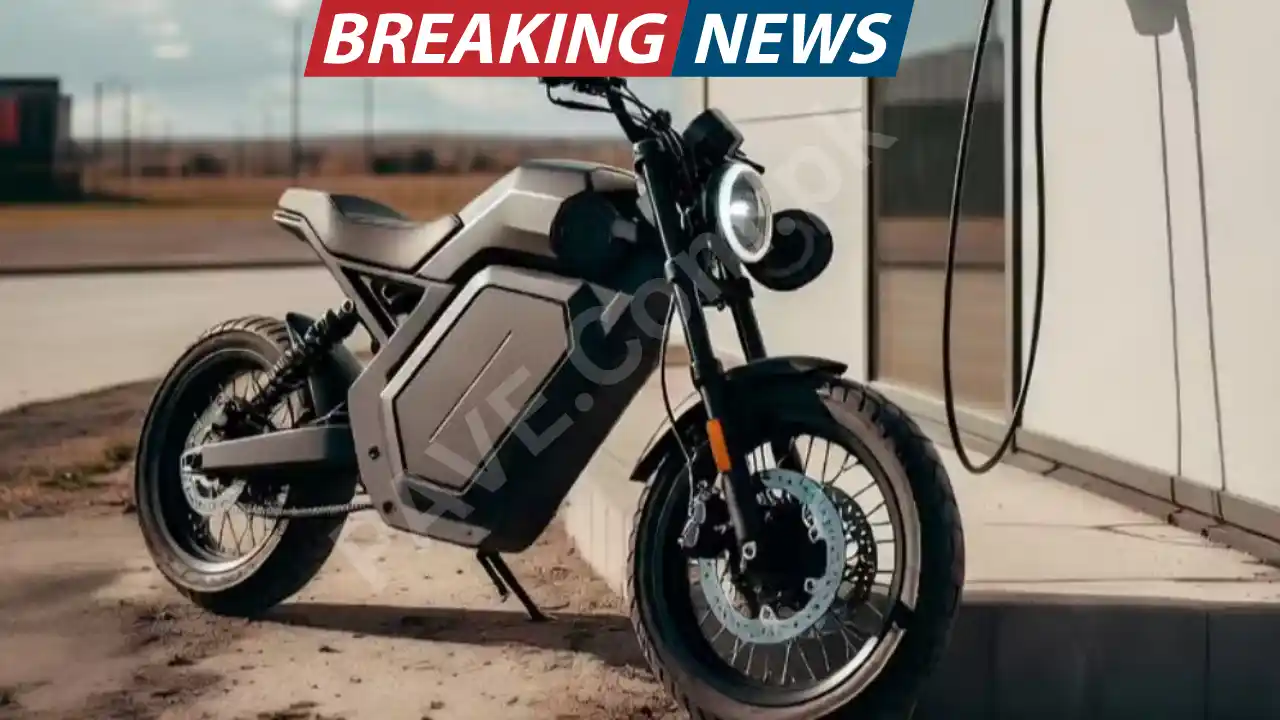
The Government of Pakistan has taken a major step toward clean and affordable transport by announcing a Rs. 100 billion subsidy for electric vehicles (EVs) till 2030. Under this initiative, the government has already started transferring subsidy amounts to successful applicants through the Pakistan Accelerated Vehicle Electrification (PAVE) Scheme.
This move is part of Pakistan’s broader plan to reduce fuel imports, cut pollution, promote local EV manufacturing, and make electric transport affordable for common citizens. In this detailed and easy English article, we explain everything you need to know about the EV subsidy, eligibility, schemes, benefits, implementation process, and future impact — along with 5 FAQs at the end.
What Is the PAVE Scheme?
The Pakistan Accelerated Vehicle Electrification (PAVE) Scheme is a government-backed program designed to speed up the adoption of electric vehicles across the country.
The scheme focuses on:
- Electric bikes
- Electric rickshaws
- Electric loaders
- Electric cars
- Electric buses and trucks
The goal is to make clean mobility affordable, especially for low- and middle-income groups, while encouraging local EV assembly and manufacturing.

Total EV Subsidy Plan Till 2030
Under the government’s plan:
- Total subsidy amount: Rs. 100.36 billion
- Duration: 2025 to 2030 (5 years)
- Target: Two-wheelers, three-wheelers, and four-wheelers
This is one of the largest clean transport subsidy programs in Pakistan’s history.
Phase-I of the EV Subsidy Program
Phase-I is currently being implemented by the Engineering Development Board under the Ministry of Industries and Production.
Vehicles Covered in Phase-I
- 40,000 electric bikes
- 1,000 electric rickshaws and loaders
- Total vehicles: 41,000
Phase-I focuses mainly on urban transport and daily commuting, where fuel savings and pollution reduction can be achieved quickly.

Phase-II: What’s Coming Next?
Phase-II will expand the program further:
- Additional vehicles: 78,170
- Allocated subsidy: Rs. 8.95 billion
- Timeframe: 2025–26
This phase will bring more EVs into the market and support mass adoption across provinces.

Two Subsidy Options for Applicants
The government has introduced two easy financing options for EV buyers:
1. Self Finance Scheme
Under this scheme:
- The applicant pays full price of the electric bike or rickshaw to the manufacturer
- After verification, the government reimburses subsidy directly
- Maximum subsidy: Up to Rs. 80,000
- Amount is transferred through the State Bank of Pakistan
This option is best for buyers who can pay upfront and want a direct cash subsidy.
2. Bank Lease Scheme
Under this option:
- EVs are provided on easy monthly installments
- Participating banks offer subsidized financing
- Lower interest rates compared to conventional loans
- Suitable for people who prefer monthly payments
This scheme helps students, delivery riders, and small business owners.
How Subsidy Disbursement Works
The subsidy process follows a strict verification system:
- Online application submission
- NADRA verification
- Vehicle eligibility confirmation
- Registration with provincial or federal authorities
- Final approval and subsidy transfer
Multiple institutions coordinate, including:
- State Bank of Pakistan
- NADRA
- Punjab Information Technology Board
- Approved banks and OEMs
Why Pakistan Is Promoting Electric Vehicles
1. Reduce Fuel Imports
Pakistan spends billions of dollars every year on petrol and diesel imports. EVs reduce this burden.
2. Lower Pollution
Transport is a major source of smog. Electric vehicles produce zero tailpipe emissions.
3. Affordable Mobility
Electric bikes and rickshaws are cheaper to operate than petrol vehicles.
4. Local Manufacturing
The policy supports local EV assembly, creating jobs and skills.
Benefits for Common Citizens
For ordinary Pakistanis, the EV subsidy offers:
- Lower transport costs
- No fuel expenses
- Minimal maintenance
- Quiet and smooth ride
- Government-backed financial support
Delivery riders, students, and ride-hailing drivers are among the biggest beneficiaries.
Impact on Pakistan’s Auto Industry
The EV subsidy is expected to:
- Encourage new EV startups
- Attract foreign investment
- Shift the auto sector toward clean technology
- Reduce dependence on imported engines
Local OEMs are already expanding EV production.
EV Charging Infrastructure in Pakistan
To support EV growth:
- Charging stations are being planned in major cities
- Public-private partnerships are encouraged
- Commercial charging networks are emerging
Infrastructure development is critical for long-term success.
Environmental Impact
If fully implemented, the EV subsidy could:
- Cut carbon emissions significantly
- Improve urban air quality
- Reduce noise pollution
- Support Pakistan’s climate commitments
This aligns with global climate goals.
Challenges Ahead
Despite strong policy support, challenges remain:
- Limited charging stations
- Public awareness gaps
- Initial cost concerns
- Battery recycling systems
However, government and private sector cooperation can address these issues.
Role of New Energy Vehicles Policy (NEVP) 2025–2030
The EV subsidy operates under the New Energy Vehicles Policy (NEVP) 2025–2030, which provides:
- Long-term policy certainty
- Incentives for manufacturers
- Clear import and tax guidelines
This policy gives investors confidence.
Who Is Eligible for the EV Subsidy?
- Pakistani citizens with valid CNIC
- Registered applicants under PAVE Scheme
- Vehicles approved by government
- Mandatory vehicle registration
Each application is reviewed carefully.
Future Outlook Till 2030
By 2030, Pakistan aims to:
- Electrify a large portion of two- and three-wheelers
- Expand EVs into public transport
- Reduce oil imports
- Build a sustainable transport ecosystem
The Rs. 100 billion subsidy is a foundation for this transformation.
Conclusion
The government’s decision to provide Rs. 100 billion subsidy on electric vehicles till 2030 marks a historic shift toward clean, affordable, and sustainable mobility in Pakistan. Through the PAVE Scheme, thousands of citizens are already benefiting from lower transport costs and eco-friendly vehicles.
If implemented effectively, this initiative can transform Pakistan’s transport sector, strengthen the economy, and protect the environment for future generations.
5 Frequently Asked Questions (FAQs)
1. How much subsidy can I get on an electric bike?
You can get up to Rs. 80,000 under the Self Finance Scheme.
2. Is the EV subsidy available for cars?
Yes, future phases include electric cars, buses, and trucks.
3. How is the subsidy paid?
The subsidy is transferred directly into your bank account after verification.
4. Can I apply through a bank?
Yes, under the Bank Lease Scheme, EVs are available on easy installments.
5. Till when will this EV subsidy continue?
The program will continue till 2030.