FBR Identifies Tax Theft in Sindh Solar Imports Pakistan
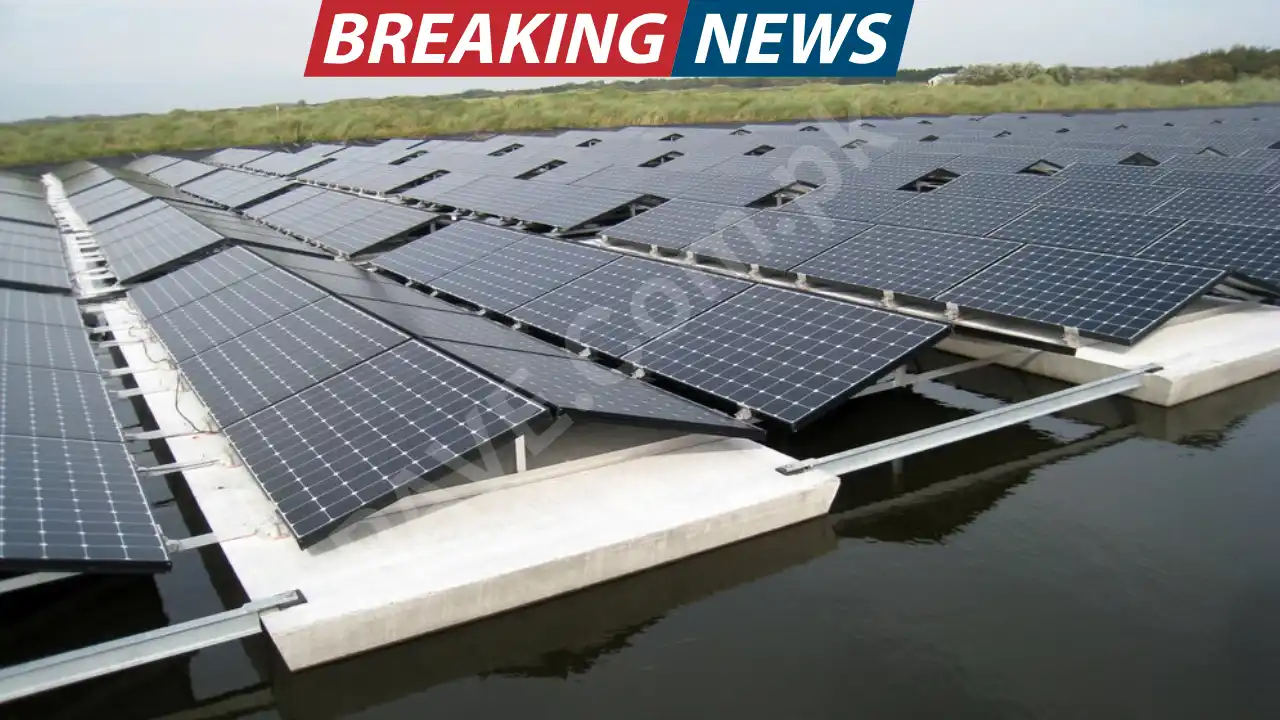
Pakistan’s tax authorities have uncovered a major case of tax theft, under-invoicing, and suspected money laundering linked to the import of solar home system kits for the Sindh Solar Energy Project (SSEP). According to an official report submitted to the Senate, the Federal Board of Revenue (FBR) found huge discrepancies between the prices declared at customs and the actual prices paid under internationally funded contracts.
The revelations have raised serious concerns about revenue losses, governance failures, and misuse of public funds, especially in a project meant to provide clean energy to underserved communities in Sindh. This detailed article explains the case in easy English, with clear headings, Google-friendly keywords, background, legal implications, and 5 FAQs at the end.
What Is the Sindh Solar Energy Project (SSEP)?
The Sindh Solar Energy Project (SSEP) was launched to provide solar home systems to households in off-grid and rural areas of Sindh. The project aimed to:
- Improve access to clean electricity
- Reduce reliance on diesel and kerosene
- Support climate-friendly energy solutions
- Help low-income households
The project was supported by international financing, including payments routed through the World Bank to approved suppliers.

What Did FBR Discover?
FBR’s investigation revealed large-scale under-invoicing of imported solar kits. Contractors declared very low values at customs, while the same kits were supplied to the Sindh government at much higher prices.
Key Findings
- Declared import price: USD 16 to USD 23.4 per solar kit
- Actual contract price paid: Up to USD 112.44 per kit
- Price difference: USD 89 to USD 96 per unit
- Markup: Nearly 700% higher than declared values
This difference triggered alarms about tax evasion and trade-based money laundering.
Role of the Senate Standing Committee
The Senate Standing Committee on Economic Affairs reviewed the case after receiving a detailed report from FBR. The Senate Secretariat released selected operational portions of the report, highlighting:
- Fake or tampered goods declarations
- Misuse of tax-free import channels
- Weak oversight and accountability
Lawmakers expressed strong concern over the scale of irregularities.

Companies and Consignments Involved
According to FBR:
- M/s Beyond Green (Karachi) imported 10 consignments
- Total imported units: 200,968 solar home system kits
- Import period: December 2024 to July 2025
- Clearing agent: M/s Vista Impex
The consignments were declared under HS Codes 8501.7210 and 8501.711.

How the Solar Kits Cleared Customs
The imported kits attracted:
- Zero customs duty
- 18% sales tax
- 3% additional sales tax
- Zero income tax
Notably, four consignments were cleared through the Green Channel, which allows faster clearance with minimal inspection—later raising questions about risk assessment and controls.
Fake Documents and Tampered Declarations
FBR confirmed that:
- Goods declarations submitted to the Sindh government were fake or tampered
- This fact was officially communicated on October 9, 2025
- Verification showed the same kits were supplied at much higher prices
This strengthened suspicions of systematic manipulation.
World Bank Contract Prices
Official contracts under SSEP with Shenzhen LEMI Technology Development Co Ltd showed:
- Contract price: Around USD 112.44 per kit (excluding duties and taxes)
- Payments: Reportedly made directly by the World Bank to the supplier
For tax purposes, FBR determined a transactional value of USD 103.08 per unit.
Legal Action and Adjudication
Based on the findings:
- 10 contraventions were issued
- Cases were referred to customs adjudication authorities
- Show-cause notices were served
- Proceedings are currently pending
FBR is pursuing recovery and penalties under applicable laws.
Money Laundering and Foreign Remittances
The investigation also uncovered:
- Fake invoices worth USD 12.5 million
- Third-party remittances routed through UAE-based entities
- Indicators of trade-based money laundering and fund layering
As a result, the case was referred for action under the Anti-Money Laundering Act, 2010.
Sales Tax Audit and Forensic Review
FBR recommended:
- A comprehensive sales tax audit
- Cross-checking invoices, contracts, and payments
- Deeper scrutiny of intermediaries and agents
The aim is to establish full financial trails and quantify revenue losses.
Status of the SSEP Project
FBR informed the committee that:
- SSEP formally ended on July 31, 2025
- About 30,000 solar kits (out of 200,000) were not distributed
- These kits will now be handled under a separate process
The delay has raised concerns about planning and execution.
Sindh Government’s Response
Following the revelations:
- The Sindh cabinet referred the matter to the Enquiries and Anti-Corruption Establishment (EACE) on December 1, 2025
- A forensic audit is under way
- The National Accountability Bureau (NAB) has also taken cognisance
This indicates multi-agency scrutiny.
Parliamentary Concerns Over Accountability
Committee chairman Saifullah Abro asked whether any officials had been suspended. The committee was told:
- No suspensions had occurred so far
He directed that a letter be sent to the Chief Minister of Sindh to ensure accountability of all individuals involved.
Broader Concerns About Oversight
Earlier, the Senate panel criticized:
- Absence of key ministers and senior bureaucrats
- Weak parliamentary oversight
- Delays in responding to serious allegations
Officials cited attendance at the World Economic Forum in Davos, an explanation lawmakers found unsatisfactory.
Impact on Solar and Renewable Energy Sector
This case risks:
- Damaging investor confidence in renewable projects
- Slowing solar adoption in rural areas
- Undermining donor-funded initiatives
At the same time, it highlights the need for transparent procurement and stronger controls.
Why Under-Invoicing Hurts Pakistan
Under-invoicing leads to:
- Massive tax revenue losses
- Distorted market prices
- Unfair competition
- Increased money laundering risks
Such practices weaken Pakistan’s fiscal system.
Lessons for Future Projects
Key takeaways include:
- Stronger customs valuation checks
- Better coordination between federal and provincial authorities
- Mandatory third-party audits for donor-funded imports
- Real-time data sharing between agencies
These reforms are critical for clean energy projects.
Conclusion
The FBR’s findings in the Sindh Solar Energy Project imports expose serious gaps in customs controls, procurement oversight, and accountability. While the case has dented confidence, it also presents an opportunity to reform systems, strengthen compliance, and ensure that future renewable energy initiatives truly benefit the people they are meant to serve.
Transparent enforcement and swift accountability will be crucial to restore trust and protect public funds.
5 Frequently Asked Questions (FAQs)
1. What wrongdoing did FBR identify?
FBR found under-invoicing, tax evasion, fake invoices, and suspected money laundering in solar kit imports.
2. How big was the price difference?
Declared prices were USD 16–23 per unit, while actual prices were up to USD 112 per unit.
3. Who paid the higher prices?
The World Bank reportedly paid the supplier under official SSEP contracts.
4. Is the case still under investigation?
Yes. Customs adjudication, forensic audits, AML proceedings, and NAB inquiries are ongoing.
5. Will this affect future solar projects?
It may slow progress in the short term, but could lead to stronger transparency and oversight in the long run.