
Scheduled Gas Load Shedding Returns in Multiple Cities
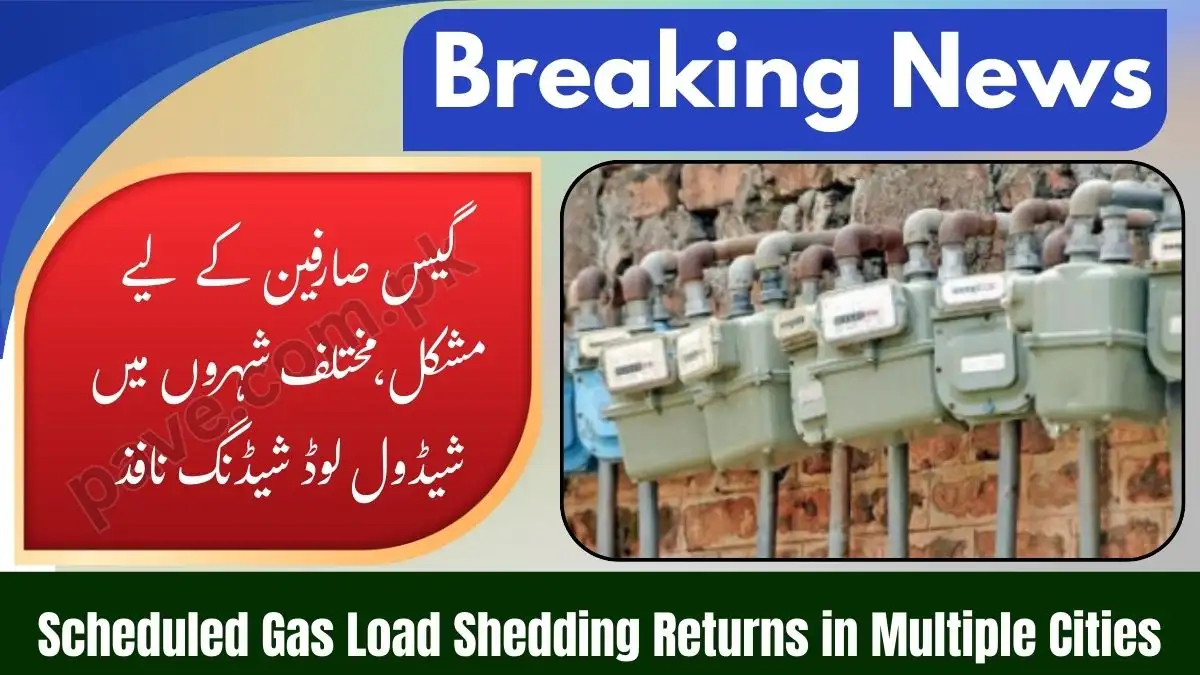
As winter peaks in January 2026, gas supply across Pakistan has formally shifted from “limited availability” to a controlled, meal-time-only model. Both gas utilities are now openly managing pressure rather than promising 24/7 supply.
Below is a clear, verified, and ground-reality breakdown of what’s happening, why it’s happening, and what consumers can realistically expect.
1. Official Gas Supply Timings (Cooking Hours Plan)
Both utilities have moved to scheduled cooking-only supply to conserve line pressure.
Standard Winter 2026 Timings
- Breakfast: 6:00 AM – 9:00 AM
- Lunch: 12:00 PM – 2:00 PM
- Dinner: 6:00 PM – 9:00 PM
Important Reality
- Outside these slots, gas pressure is either zero or idle
- Idle pressure may show “gas available” on meters but is too weak to ignite stoves
- Geysers and heaters are effectively unusable in most areas
This is now policy-driven, not a temporary fault.

2. City-Wise Gas Situation (January 26, 2026)
| City | Status | What Residents Are Facing |
|---|---|---|
| Karachi | Severe Crisis | SSGC imposed a 48-hour industrial shutdown (ending Jan 26). Nightly gas suspension 10 PM – 5 AM is standard. |
| Lahore | Unannounced Cuts | Gas often disappears by 9 PM and returns after 7 AM in Johar Town, DHA, Samanabad. |
| Rawalpindi / Islamabad | Low Pressure | SNGPL facing tail-end issues. Even during cooking hours, pressure is too weak for geysers. |
| Faisalabad / Multan | Scheduled Outages | Industrial zones closed 2 days per week to divert gas to homes. |
This winter, industrial sacrifice is no longer enough to stabilize domestic supply.

3. Why Gas Load Shedding Has Returned (Real Reasons)
1️⃣ Supply Shortfall
- Sudden decline from two major gas fields
- Estimated deficit: 45–50 MMcf/d
- LNG imports are insufficient to fully bridge the gap
2️⃣ Infrastructure Decay
According to SNGPL officials:
- Old pipelines leak significantly at high pressure
- Maintaining 24/7 pressure would cause massive line losses
- Pressure management is cheaper than emergency pipe replacement
3️⃣ Extreme Cold Wave
- Balochistan temperatures dropped to -12°C
- Northern Punjab and KP saw record lows
- Domestic demand for space heating tripled overnight
This overwhelmed already stressed networks.

4. How to Check Your Area’s Actual Schedule
Because many cuts are unannounced, here’s how to track your zone:
Punjab & KP
- Utility: SNGPL
- 📞 Helpline: 1199
- 🌐 Check regional load management notices on the official website
Sindh & Balochistan
- Utility: SSGC
- Follow official WhatsApp channel or X (Twitter) for emergency alerts
Local Indicator (Very Reliable)
- If gas shuts off exactly at 10:00 PM every night, your area is under:
“Nightly Pressure Management Protocol”

5. What This Means for Households (Hard Truth)
- Gas heaters: Mostly non-functional
- Geysers: Unreliable even during supply hours
- Cooking: Must be done strictly within slots
- Electric alternatives: Load on electricity is increasing rapidly
This winter’s gas situation is structural, not accidental.
Final Verdict
Pakistan’s winter gas crisis in 2026 is not a surprise failure. It is the result of:
- Declining domestic production
- Decades-old infrastructure
- Extreme weather
- Delayed energy diversification
The meal-time gas model is now the new normal, not a temporary emergency response.
Consumers should plan accordingly:
- Shift critical cooking to supply windows
- Use electric backups where possible
- Stop expecting 24/7 gas until post-winter or new LNG contracts