Parliamentary Committee Proposes 10 Hajj Nominations for Each MNA 2026
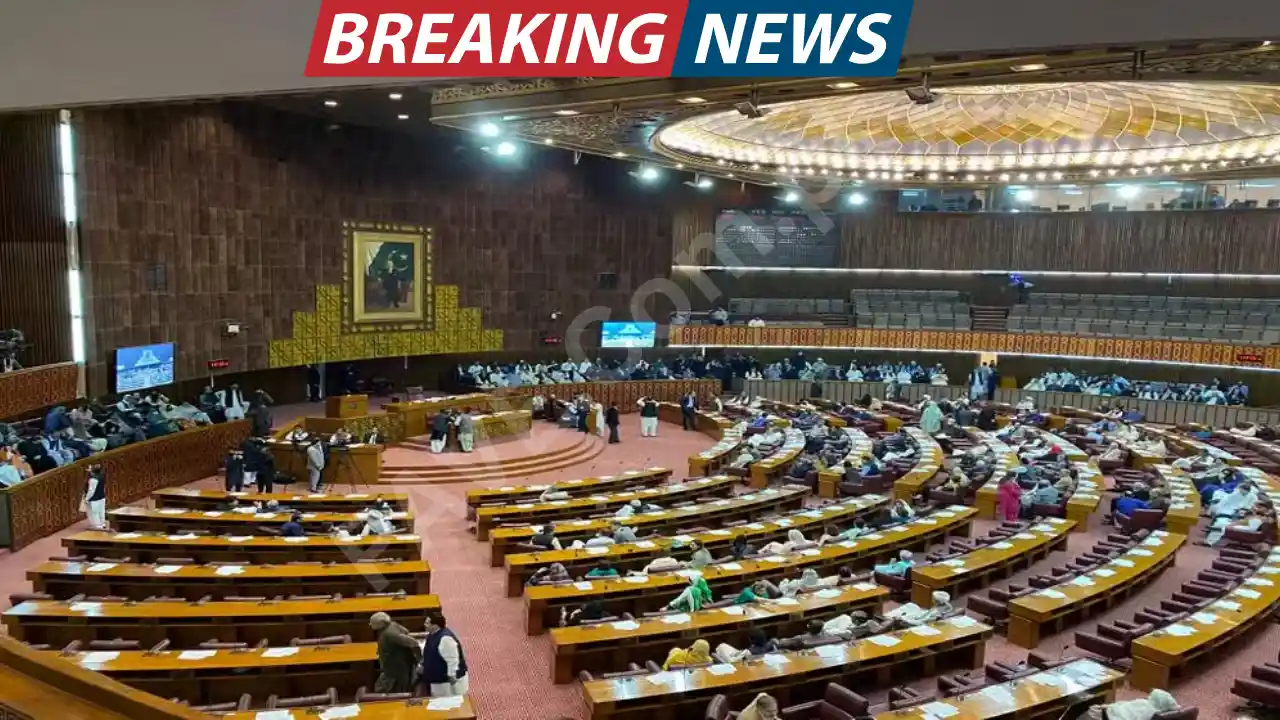
A parliamentary panel in Pakistan has proposed a major change to the Hajj nomination process by recommending that each Member of the National Assembly (MNA) be allowed to nominate 10 people for Hajj every year.
The proposal was presented by the National Assembly Standing Committee on Religious Affairs during a meeting chaired by Shagufta Jamani. The committee also suggested sending a 10-member parliamentary delegation to Madinah annually at government expense.
The proposal has sparked debate about transparency, fairness, cost, and the role of parliamentarians in religious matters.
Background of the Proposal
Hajj is one of the five pillars of Islam, and every year thousands of Pakistanis apply for limited Hajj slots through:
- Government Hajj scheme
- Private Hajj operators
Due to high demand and limited quotas, many applicants fail to secure selection. Against this backdrop, the committee discussed ways to:
- Facilitate religious representation
- Institutionalize parliamentary participation
- Continue past traditions of official delegations

What Does the Proposal Say?
The proposal includes two major recommendations:
1. Hajj Nomination by MNAs
- Each MNA would be allowed to nominate 10 people for Hajj every year
- These nominations would be in addition to existing Hajj arrangements
- The proposal does not yet define selection criteria for nominees
2. Annual Parliamentary Delegation
- A 10-member parliamentary delegation would be sent to Madinah every year
- The visit would be fully funded by the National Assembly
- Delegation members would also perform Umrah in Makkah

Purpose of the Parliamentary Delegation
According to committee members, the delegation would:
- Visit Roza-e-Rasool (PBUH)
- Present salutations on behalf of the Pakistani nation
- Offer nawafil at Masjid-e-Nabvi
- Perform Umrah in Makkah
Members said similar delegations had gone in the past, but the committee now wants to formalize and institutionalize the practice.

Leadership and Composition of the Delegation
Under the proposal:
- If the National Assembly Speaker is available, the Speaker will nominate delegation members
- In the Speaker’s absence, the committee chairperson will lead the delegation
- Family members of delegation members may also accompany them
This aspect of the proposal has drawn attention due to its financial and ethical implications.

Government-Funded Travel: A Key Point of Debate
Chairperson Shagufta Jamani emphasized that:
- All expenses should be borne by the National Assembly
- Self-funded travel cannot be considered an official delegation
Committee members unanimously supported this position, stating that official representation requires official funding.
Why the Committee Supports This Proposal
Supporters argue that:
- Parliament represents the entire nation
- Sending delegations strengthens spiritual diplomacy
- MNAs are in touch with grassroots communities
- Nominations could help deserving individuals
They believe the proposal recognizes the religious role of parliament.
Concerns About Transparency and Fairness
Critics have raised several concerns, including:
- Lack of clear eligibility criteria
- Risk of favoritism and political influence
- Possible misuse of nomination powers
- Fairness to general Hajj applicants
Without transparent rules, the proposal could face strong public resistance.
Financial Impact on the National Assembly
Funding:
- Annual international travel
- Accommodation
- Family members’ expenses
could place an additional burden on the public exchequer. Critics question whether taxpayer money should be used for such purposes.
Comparison With Past Practices
Historically:
- Ad-hoc delegations were sent occasionally
- No formal annual mechanism existed
- Nomination powers were limited
This proposal represents a significant expansion of parliamentary involvement.
Public Reaction and Social Media Debate
Public opinion is divided:
- Supporters see it as a religious honor
- Critics call it an elite privilege
- Many demand transparency and merit-based selection
Social media discussions reflect concerns about fairness and accountability.
Legal and Administrative Considerations
Before implementation:
- The proposal must receive formal approval
- Legal frameworks may need updating
- Coordination with Hajj authorities is required
The recommendations will now be forwarded for further consideration and approval.
Impact on Pakistan’s Hajj Policy
If approved, the proposal could:
- Change Hajj quota distribution
- Add a political dimension to nominations
- Influence future religious travel policies
It may also prompt calls for reforms in other religious programs.
Religious Representation vs Public Accountability
Supporters argue that:
- Parliament represents the people spiritually as well
- Delegations symbolize national unity
Critics counter that:
- Religious duties are personal
- Public funds should prioritize essential services
Balancing faith and governance remains a sensitive issue.
Role of the National Assembly Standing Committee
The Standing Committee:
- Reviews religious affairs policies
- Advises the government
- Proposes reforms
However, final authority lies with the National Assembly and federal government.
Potential Safeguards Suggested by Experts
Experts suggest:
- Clear nomination criteria
- Public disclosure of nominees
- Independent oversight
- Limitations on family participation
These steps could improve public trust.
International Comparison
Some countries allow:
- Limited official religious delegations
- Strictly regulated nomination processes
Pakistan’s proposal is broader and would need strong safeguards to align with global best practices.
What Happens Next?
Next steps include:
- Review by relevant authorities
- Financial assessment
- Legal scrutiny
- Possible parliamentary debate
Only after approval can the proposal be implemented.
Final Thoughts
The proposal to allow each MNA to nominate 10 people for Hajj every year and to send an annual parliamentary delegation to Madinah is a significant policy suggestion with far-reaching implications.
While supporters see it as a meaningful religious and symbolic initiative, critics warn of risks related to transparency, cost, and fairness. The success of such a plan would depend on clear rules, accountability, and public trust.
FAQs – MNA Hajj Nomination Proposal
1. What is the main proposal by the parliamentary committee?
To allow each MNA to nominate 10 people for Hajj every year.
2. Who proposed the plan?
The National Assembly Standing Committee on Religious Affairs under Chairperson Shagufta Jamani.
3. Will the parliamentary delegation be government-funded?
Yes, the committee recommends that all expenses be borne by the National Assembly.
4. Can family members join the delegation?
Yes, the proposal allows family members to accompany delegation members.
5. Has the proposal been approved?
No, it has only been proposed and will be forwarded for further consideration and approval.