Can Pakistan Ignore Tax Justice Anymore? Experts Warn of Risks
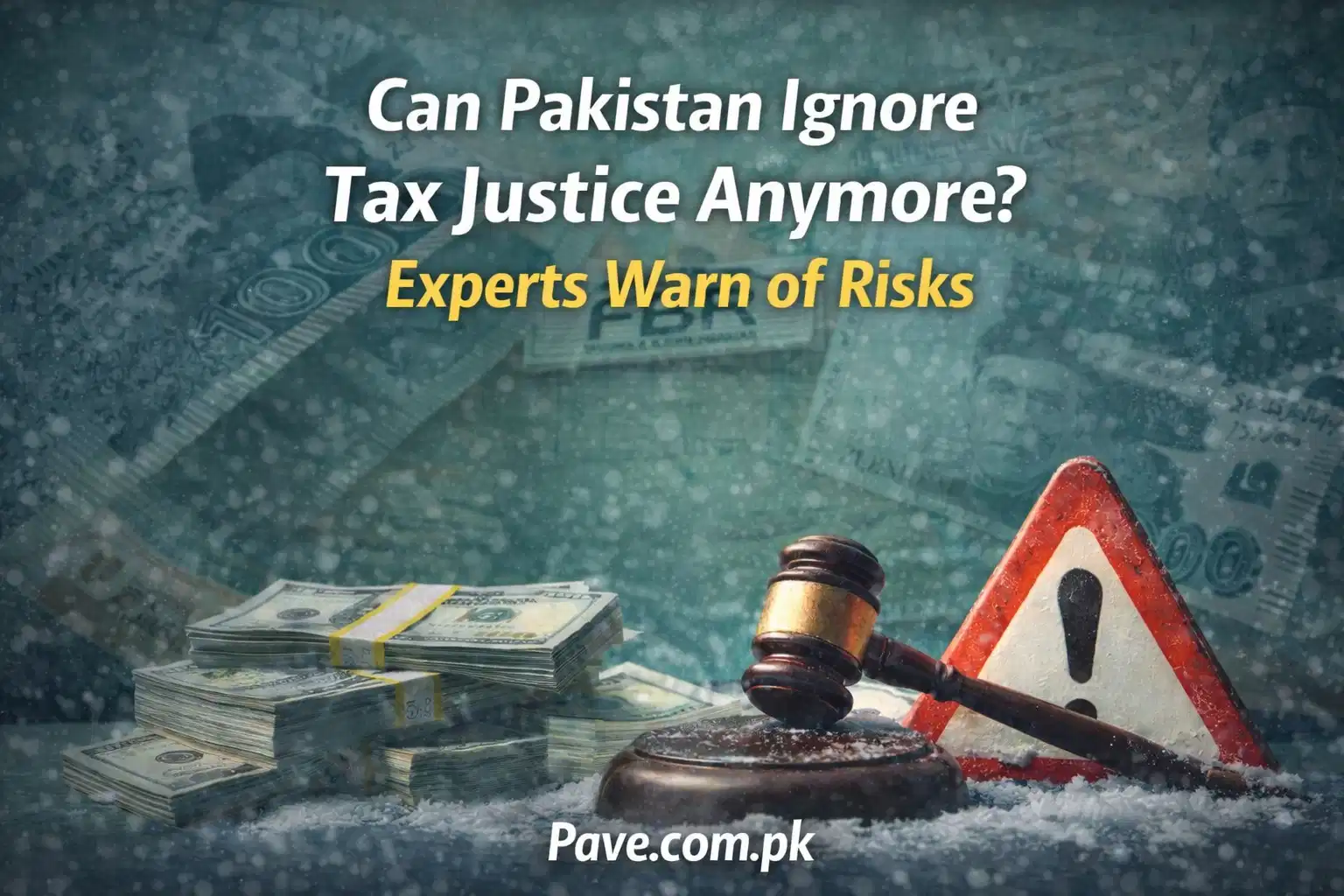
The question “Can Pakistan ignore tax justice anymore?” is becoming louder with each passing year. Economists, policy experts, and international institutions are warning that unequal taxation and weak enforcement are putting Pakistan’s economy at serious risk. With rising inflation, growing debt, and pressure on public services, tax justice is no longer just a policy debate, it is an economic necessity. This topic is trending on Google as people search for tax justice in Pakistan, why Pakistan’s tax system is unfair, elite tax exemptions, and reforms in Pakistan’s tax structure. This article explains the issue in easy English, covering expert opinions, risks of ignoring tax justice, and what Pakistan can do next.
What Is Tax Justice?
Tax justice means a fair and balanced tax system where:
- Everyone pays taxes according to their income
- The wealthy contribute more than the poor
- No group enjoys unfair exemptions
- Tax burden is shared equally
In a just system, governments can fund education, healthcare, infrastructure, and social welfare without overburdening ordinary citizens.
Current Tax Situation in Pakistan
Pakistan’s tax system is often described as imbalanced and inefficient.
Key Facts About Pakistan’s Tax System
- Heavy reliance on indirect taxes
- Low tax contribution from wealthy individuals
- Agriculture and real estate sectors largely untaxed
- Salaried class bears the biggest burden
Experts argue that Pakistan’s tax structure punishes the poor while protecting the rich.

Why Experts Say Tax Justice Can No Longer Be Ignored
Economists warn that ignoring tax justice has long-term economic and social consequences.
Rising Fiscal Deficit
Pakistan collects far less tax compared to its spending needs. This gap leads to:
- More borrowing
- Higher interest payments
- Budget cuts in public services
Growing Income Inequality
When the rich avoid taxes:
- Wealth concentration increases
- Poverty worsens
- Middle class shrinks
This imbalance creates social unrest and public anger.
Role of Indirect Taxes in Economic Pressure
Pakistan relies heavily on:
- Sales tax
- Fuel levies
- Utility taxes
These taxes affect everyone equally, regardless of income.
Impact on Ordinary Citizens
- Food becomes expensive
- Electricity bills rise
- Transport costs increase
Experts say indirect taxes hurt low-income families the most.

Who Pays Taxes in Pakistan?
Salaried Class
The salaried class is the most documented and heavily taxed group. Taxes are deducted before salaries are paid.
Business and Elite Class
Many high-income individuals:
- Underreport income
- Use legal loopholes
- Enjoy sector-based exemptions
This imbalance is the core issue in Pakistan’s tax justice debate.
Agriculture and Real Estate: Untapped Tax Sectors
Two major sectors remain largely outside the tax net:
Agriculture Sector
- Contributes significantly to GDP
- Minimal direct taxation
- Political influence protects large landowners
Real Estate Sector
- Massive investments
- Low declared values
- Weak regulation
Experts argue that taxing these sectors fairly could transform Pakistan’s revenue system.
Role of the Federal Board of Revenue
The Federal Board of Revenue (FBR) is responsible for tax collection, but it faces major challenges:
- Limited enforcement capacity
- Political pressure
- Trust deficit with taxpayers
Experts stress that institutional reform is essential for tax justice.
International Pressure and IMF Concerns
International lenders, including IMF, repeatedly raise concerns about:
- Narrow tax base
- Poor compliance
- Elite protection
Loan programs increasingly demand structural tax reforms to ensure long-term stability.
Risks of Ignoring Tax Justice
Experts warn that ignoring tax justice can lead to serious risks.
Economic Instability
Without fair taxation:
- Inflation worsens
- Currency weakens
- Foreign reserves shrink
Public Distrust
When citizens see elites avoiding taxes:
- Trust in government declines
- Tax evasion increases
- Compliance drops further
Social Unrest
Economic inequality can trigger:
- Protests
- Political instability
- Governance challenges
Impact on Public Services
Lack of tax revenue directly affects:
- Education quality
- Healthcare access
- Infrastructure development
Without tax justice, the government cannot invest in long-term development.
What Experts Recommend for Tax Justice
Experts suggest a multi-step approach:
Broadening the Tax Base
- Bring agriculture and real estate into the tax net
- Reduce exemptions
- Document the informal economy
Progressive Taxation
- Higher taxes for higher incomes
- Relief for low-income groups
- Fair wealth taxation
Strengthening Institutions
- Reform FBR
- Use technology to track income
- Improve transparency
Can Tax Justice Improve Pakistan’s Economy?
Most economists agree that yes, it can.
Benefits of Fair Taxation
- Stable government revenue
- Reduced borrowing
- Lower inflation pressure
- Better public services
Tax justice is seen as a foundation for sustainable economic growth.
Public Opinion on Tax Justice
Public sentiment is changing:
- People demand accountability
- Social media highlights elite privileges
- Awareness about tax rights is increasing
Experts believe public pressure can push reforms forward.
Political Will: The Missing Link
Despite strong recommendations, tax justice depends on:
- Political courage
- Ending elite protection
- Long-term planning
Without political will, reforms remain limited.
Google Search Trends Covered in This Article
This article naturally includes searches like:
- Can Pakistan ignore tax justice
- Tax justice in Pakistan
- Pakistan unfair tax system
- Elite tax exemptions Pakistan
- Pakistan tax reforms needed
Final Thoughts
The answer to “Can Pakistan ignore tax justice anymore?” is becoming clear. Experts strongly warn that continuing with an unfair tax system will deepen economic problems, widen inequality, and weaken public trust.
Tax justice is no longer optional. It is essential for Pakistan’s economic survival and social stability.
FAQs – Tax Justice in Pakistan
What is tax justice?
Tax justice means fair taxation where everyone pays according to income and wealth.
Why is Pakistan’s tax system considered unfair?
Because indirect taxes burden the poor while wealthy sectors remain undertaxed.
Who pays the most tax in Pakistan?
The salaried class pays the highest share of documented taxes.
What happens if tax justice is ignored?
Economic instability, inequality, weak public services, and social unrest increase.
Can tax reforms improve Pakistan’s economy?
Yes, fair taxation can increase revenue, reduce debt, and support development.