FBR Considering PKR 150-200 bn Super Tax Collection in Q1 2026 – See Who’ll be Impacted
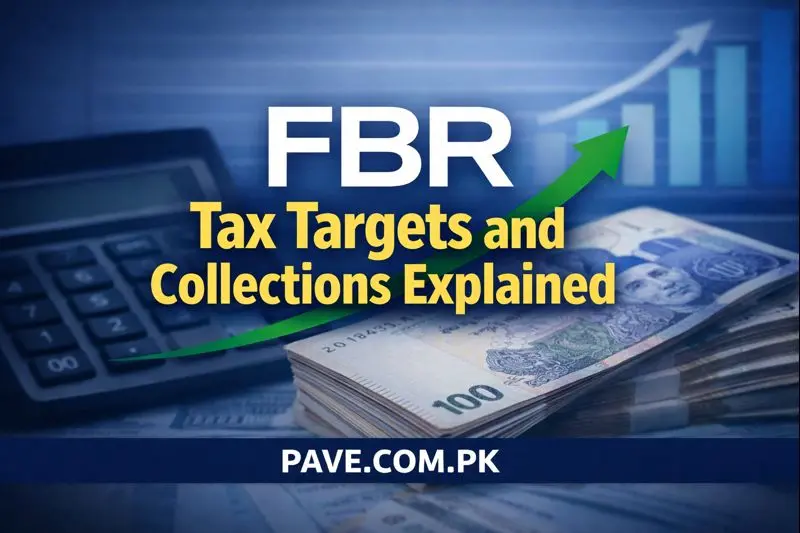
Pakistan’s tax authorities are once again looking toward super tax as a major revenue source. The Federal Board of Revenue (FBR) is reportedly considering collecting between PKR 150 to 200 billion through super tax during the first quarter of 2026. This move comes at a time when the government is under strong pressure to increase revenues, meet fiscal targets, and comply with ongoing economic commitments.
While super tax is not a new concept in Pakistan, its possible aggressive implementation in early 2026 has raised concerns among businesses, investors, and large taxpayers. Many are now asking who will be affected, which sectors are under scrutiny, and whether this policy could slow down economic activity.
This article explains the background, expected targets, affected sectors, and the broader impact of FBR’s proposed super tax collection plan.
What Is Super Tax and Why Is It Used?
Super tax is an additional tax imposed on certain high-income individuals or profitable companies, over and above regular income tax. In Pakistan, super tax has mostly been applied to large corporations, banks, and selected high-profit sectors.
The government usually introduces super tax during periods of fiscal stress to generate quick revenue without raising taxes across the board. Instead of burdening small taxpayers, the focus remains on entities that are considered capable of contributing more.
In recent years, super tax has become a recurring tool rather than a one-time emergency measure. This has led to ongoing debates about its fairness and long-term economic impact.

Why FBR Is Targeting Q1 2026 for Super Tax Collection
The first quarter of 2026 is seen as a critical period for revenue generation. Several factors explain why FBR is planning a major collection drive during this time.
First, the government needs strong early-year revenues to manage debt repayments and control the fiscal deficit. Second, Pakistan’s commitments with international lenders require consistent tax performance. Weak collection in early quarters often puts pressure on later months, leading to rushed and sometimes harsh measures.
By targeting Q1 2026, FBR aims to set a strong tone for the financial year and avoid last-minute revenue shortfalls.

PKR 150–200 Billion Target: How Realistic Is It?
A super tax collection target of PKR 150–200 billion is ambitious but not unrealistic. In previous years, FBR has managed sizable collections through similar measures, especially when enforcement was strict.
However, reaching this target will depend on three main factors:
- Scope of sectors included
- Rate of super tax applied
- Effectiveness of enforcement and compliance
If the tax base remains narrow and limited to a few sectors, achieving this figure may be difficult. On the other hand, expanding coverage could lead to strong resistance from the business community.
Which Sectors Are Likely to Be Impacted?
Banking Sector
Banks are almost always at the top of the list when super tax is discussed. Due to high profits driven by interest rates and government borrowing, the banking sector has been a major contributor to super tax in recent years.
FBR is expected to continue viewing banks as a safe and reliable source of revenue. Any new super tax measure will likely place a significant burden on large commercial banks.
Oil, Gas, and Energy Companies
Energy-related companies, especially those involved in oil and gas exploration, refining, and power generation, are also likely to be affected. These sectors often report substantial profits, making them visible targets.
However, industry representatives argue that heavy taxation in energy discourages investment and worsens Pakistan’s long-term energy security.
Fertilizer and Cement Industry
The fertilizer and cement sectors have previously faced super tax due to consistent profitability. Given their importance in agriculture and construction, any additional tax could lead to higher prices for end consumers.
FBR may still include these industries, especially if revenue targets remain aggressive.
Large Manufacturing and FMCG Companies
Fast-moving consumer goods companies and large-scale manufacturers are also under observation. These firms usually have strong sales volumes and relatively stable margins, even during economic slowdowns.
Super tax on this segment could indirectly impact consumers through price increases.
High-Income Corporations and Groups
Apart from sector-specific targeting, FBR may apply super tax based on income thresholds. Large corporate groups with profits above a certain level may face additional tax regardless of industry.
This approach allows FBR to broaden the tax base without formally naming new sectors.

Who Is Less Likely to Be Impacted?
Small and medium enterprises are less likely to face direct super tax liability. FBR generally avoids imposing super tax on SMEs due to their limited capacity and importance for employment.
Salaried individuals are also not expected to be directly affected by super tax. However, indirect effects through inflation and higher product prices cannot be ruled out.
Possible Super Tax Rates Under Consideration
While no official rates have been announced, analysts expect super tax rates to range between 2 to 10 percent, depending on profit levels and sector classification.
Higher rates may apply to sectors considered windfall beneficiaries, such as banks and energy companies. Lower rates may be used to bring more sectors under the net without causing severe backlash.
Business Community Concerns
The business community has repeatedly expressed concerns over the repeated use of super tax. Key issues raised include:
- Lack of policy consistency
- Reduced investor confidence
- Increased cost of doing business
- Risk of capital flight
Many business leaders argue that temporary taxes have effectively become permanent, making long-term planning difficult.
Impact on Investment and Economic Growth
Frequent taxation changes, especially super tax, can negatively affect investment decisions. Companies may delay expansion plans or reduce capital spending to manage higher tax liabilities.
Foreign investors, in particular, closely monitor tax stability. Unpredictable tax measures can weaken Pakistan’s image as an investment destination.
At the same time, the government argues that without adequate revenue, economic stability is impossible.
FBR’s Enforcement Strategy in 2026
To achieve its Q1 2026 target, FBR is expected to strengthen enforcement through:
- Improved data integration
- Enhanced monitoring of large taxpayers
- Faster audit and assessment processes
- Stronger coordination with financial institutions
Digital tracking and risk-based audits may play a bigger role than before.
Will Super Tax Be a One-Time Measure?
One of the biggest questions is whether this super tax collection drive will be temporary or continue beyond Q1 2026. Past experience suggests that once introduced, such taxes often get extended.
Unless broader tax reforms expand the overall tax base, reliance on super tax is likely to continue.
What This Means for Consumers
While super tax targets corporations, consumers may ultimately feel the impact. Higher taxes often lead to increased prices, reduced discounts, or slower service expansion.
Inflationary pressure remains a real concern, especially in essential sectors like energy and consumer goods.
What is the target of FBR tax collection in 2025?
For the fiscal year 2025, the Federal Board of Revenue set an ambitious tax collection target of around PKR 12.9 trillion. This target was aligned with Pakistan’s budget framework and international financial commitments. The goal was to improve revenue through higher direct taxes, better enforcement, and documentation of the economy. However, meeting this target remained challenging due to slow economic growth, inflationary pressure, and reduced industrial activity.
Is FBR collecting over PKR 754 billion in 2026, surpassing its target?
In early 2026, reports indicated that FBR’s collection crossed PKR 754 billion in a specific period, raising questions about whether the authority had surpassed its target. While this figure showed improved performance compared to previous years, it did not automatically mean the full-year target was achieved. Analysts noted that aggressive measures, advance tax collection, and sector-specific levies played a key role in boosting short-term numbers.
Did Pakistan government collect Rs23 billion in windfall tax from 16 banks in a day?
Yes, the Pakistan government reportedly collected around Rs23 billion in windfall tax from 16 commercial banks in a single day. This collection was linked to higher profits earned by banks due to elevated interest rates and increased government borrowing. The move was seen as part of the government’s strategy to tap sectors benefiting disproportionately from economic conditions, though banks raised concerns over policy predictability.
What is the total collection of FBR?
FBR’s total tax collection varies each year depending on economic performance and policy measures. In recent fiscal years, the authority has collected between PKR 9 to 10 trillion annually, with gradual increases over time. Despite improvements, FBR has often fallen short of its original targets, highlighting structural issues such as a narrow tax base, weak compliance, and reliance on indirect taxes.
Conclusion – FBR Considering PKR 150-200 bn Super Tax Collection in Q1 2026
FBR’s consideration of collecting PKR 150–200 billion through super tax in Q1 2026 highlights the government’s urgent need for revenue. While the move may help stabilize public finances in the short term, it raises serious questions about sustainability, investment confidence, and economic growth.
Banks, energy companies, large manufacturers, and high-profit corporations are likely to bear the brunt of this policy. Small businesses and salaried individuals may avoid direct taxation but could face indirect effects.
As Q1 2026 approaches, clarity on rates, sectors, and duration will be critical. A balanced approach that ensures revenue without harming economic activity will determine whether this super tax achieves its goals or adds to existing challenges.