Alina Amir Breaks Silence on Her Viral Deepfake Video – It is Fake or AI Generated – Videos Reality Exposed
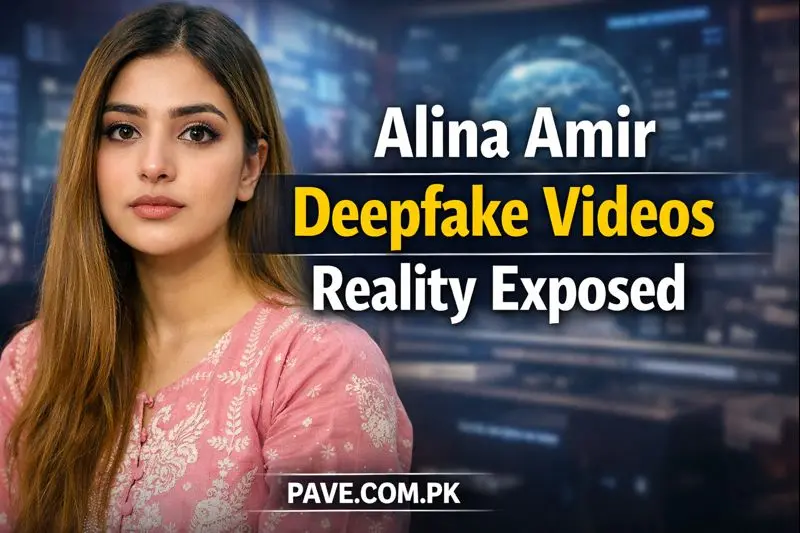
In recent days, Pakistani social media has been flooded with discussions about a viral video allegedly linked to TikToker and digital creator Alina Amir. The video spread rapidly across TikTok, X, Instagram, and WhatsApp groups, triggering mixed reactions from users.
As speculation grew, many people began questioning whether the video was real or digitally manipulated. After staying silent for some time, Alina Amir finally addressed the issue and clarified the reality behind the viral clip.
Her response has now shifted the conversation from gossip to a serious discussion about AI misuse, deepfake technology, and online harassment.
What Is the Viral Video About?
The controversial video appeared online without context and was quickly shared by multiple accounts claiming it showed Alina Amir in an inappropriate situation. The clip was heavily circulated with misleading captions, making it difficult for viewers to verify its authenticity.
Within hours, the video became a trending topic. Some users believed it was genuine, while others raised concerns that it looked digitally altered or AI-generated.
The situation highlights how fast unverified content can damage reputations in the digital age.

Alina Amir’s Official Statement on the Video
Alina Amir broke her silence through her social media platforms, clearly stating that the viral video is fake and AI-generated.
She denied any involvement in the clip and confirmed that her face was misused through artificial intelligence tools to create false content. According to her statement, the video does not represent her in any way and was created without her consent.
She also requested her followers and the general public to stop sharing the clip and report it wherever possible.

Is the Video Real or AI Generated?
Based on Alina Amir’s clarification and expert opinions shared by digital creators, the video shows common signs of deepfake technology.
These include unnatural facial movements, mismatched lip synchronization, and inconsistent lighting. Such indicators are often present in AI-generated videos where a real person’s face is digitally mapped onto another body.
This confirms that the viral clip is not authentic and falls under the category of deepfake manipulation.

Understanding Deepfake Technology in Simple Terms
Deepfake technology uses artificial intelligence to replace a person’s face, voice, or expressions in videos or images. While AI has many positive uses, it is increasingly being misused for harassment, blackmail, and character assassination.
In Pakistan, awareness about deepfake content is still limited, making it easier for fake videos to spread unchecked. Many users cannot differentiate between real and AI-generated content, which adds to the problem.

Impact of Fake Viral Videos on Mental Health
Alina Amir also spoke about the emotional stress caused by the incident. She explained that false allegations and viral misinformation can deeply affect mental health, especially for public figures.
Online shaming, trolling, and judgment often continue even after a video is proven fake. This puts unfair pressure on victims and their families.
Her case is not isolated. Many influencers, journalists, and private individuals have faced similar attacks in recent years.
Social Media Responsibility and Public Reaction
After Alina Amir’s clarification, many users came forward to support her and apologized for believing or sharing the video without verification.
However, some accounts continued spreading the clip for views and engagement, showing the darker side of social media culture where ethics are often ignored.
This incident raises serious questions about content responsibility, platform moderation, and user awareness.
Legal Angle: Can Action Be Taken Against Deepfake Creators?
While Pakistan’s cybercrime laws address online harassment and fake content, deepfake technology is still a grey area legally.
Experts suggest that victims can file complaints under cybercrime laws for identity misuse, defamation, and digital harassment. However, tracing anonymous creators remains a challenge.
Cases like Alina Amir’s may push authorities to introduce stricter regulations related to AI-generated content.
Why Women Are More Targeted by Deepfake Content
Globally and locally, women are more frequently targeted in deepfake scandals. Fake videos are often used to damage credibility, silence voices, or gain attention online.
Alina Amir pointed out that such attacks discourage women from participating freely in digital spaces. She urged platforms and users to take a stronger stand against this trend.
Lessons for Social Media Users
This controversy offers important lessons for everyone who uses social media:
- Do not believe viral content without verification
- Avoid sharing unconfirmed videos
- Respect privacy and dignity
- Report fake and harmful content
A single share can contribute to long-term damage for an innocent person.
Role of Platforms in Controlling AI Misuse
Social media companies have tools to detect manipulated content, but enforcement is often slow. Stronger policies and faster response systems are needed to deal with deepfake videos.
Users also play a key role by reporting harmful posts instead of amplifying them.
Alina Amir’s Message to Her Followers
In her final message, Alina Amir thanked those who supported her and stood by the truth. She emphasized the importance of awareness about AI misuse and urged people to think before judging others online.
She also reassured her followers that she will continue creating positive content and will not let misinformation define her identity.
Conclusion: Reality Behind the Viral Deepfake Video
The viral video linked to Alina Amir is fake and AI-generated, as confirmed by her own statement. The incident exposes how dangerous deepfake technology can be when used irresponsibly.
More importantly, it highlights the urgent need for digital awareness, ethical content sharing, and legal reforms in Pakistan.
As social media continues to grow, so does the responsibility of users to protect truth over trends.
Pakistani TikToker Alina Amir has denied a viral video circulating online, calling it fake and AI-generated. She clarified that her face was misused through deepfake technology and urged users to stop sharing unverified content. The incident has reignited debate on AI misuse, online harassment, and social media responsibility in Pakistan.