
Public Alert: Meat Prices Increase Again
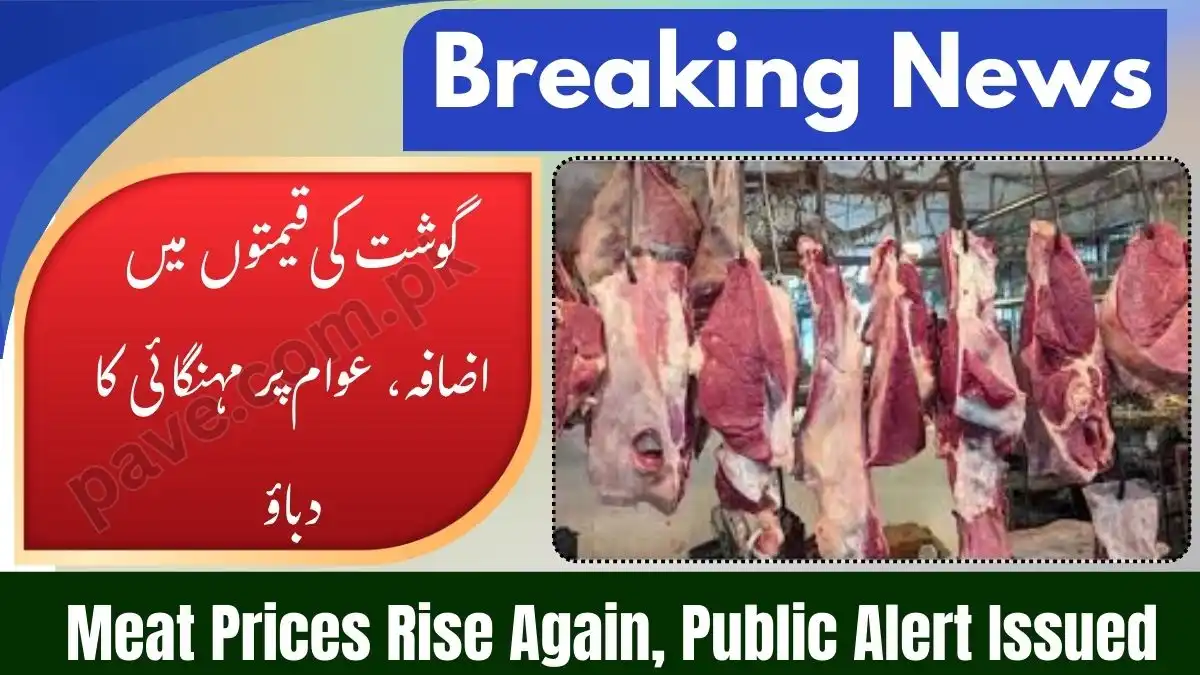
As of February 1, 2026, a fresh wave of inflation has struck Pakistan’s meat market, pushing prices of beef, mutton, and chicken far beyond official government rates. What was once considered a daily food staple is rapidly becoming a luxury for many middle-class and lower-income households, prompting concern among consumers and regulators alike.
Market surveys conducted in major cities show a widening gap between official price lists and real market rates, highlighting enforcement failures and deeper structural problems in the supply chain.
Red Meat No Longer “Everyday Food”
Red meat has seen the sharpest and most consistent price jump, especially mutton, which has effectively priced itself out of routine household consumption.
Current Beef and Mutton Prices (Per Kg)
| Item | Official Rate | Market Rate | Trend |
|---|---|---|---|
| Mutton (Goat) | Rs 1,800 – 2,000 | Rs 2,500 – 2,800 | Rising sharply |
| Beef (With Bone) | Rs 800 – 900 | Rs 1,200 – 1,300 | Increasing |
| Beef (Boneless) | Rs 1,100 | Rs 1,500 – 1,600 | Increasing |
In upscale markets of Karachi and Islamabad, premium mutton cuts have already touched Rs 3,000 per kg, particularly in high-end butcher shops and gated communities.
For most families, mutton has effectively shifted from a weekly item to an occasional purchase reserved for special events.

Poultry: The Last Affordable Protein Under Pressure
Chicken, traditionally considered the most affordable source of animal protein, is also experiencing severe volatility.
Current Poultry Market Rates
- Live Chicken: Rs 360 – Rs 500 per kg (city-dependent)
- Chicken Meat: Rs 550 – Rs 750 per kg
- Boneless Chicken: Exceeding Rs 1,000 per kg in several urban centers
In cities such as Lahore and Rawalpindi, daily rates are changing rapidly, leaving consumers uncertain about budgeting even for basic meals.

Why Are Meat Prices Rising Again?
The current surge is not the result of a single factor. Instead, multiple pressures have converged at the same time.
1. Supply Chain Bottlenecks in Livestock
One of the biggest contributors is a decline in available livestock. Farmers across Punjab and Sindh are retaining female animals to rebuild herds after previous losses caused by disease, rising fodder costs, and climate stress.
While this strategy may stabilize supply in the long run, it has reduced immediate slaughter volumes, driving prices higher in the short term.
2. Rising Input Costs for Poultry Farms
Poultry producers are facing:
- Higher electricity tariffs
- Increased gas prices
- Expensive poultry feed and medicines
These costs are being passed directly to consumers. Industry insiders argue that selling chicken at official rates would result in losses, making compliance financially unrealistic without subsidies.
3. Global Protein Market Pressures
According to international projections for 2026, the world is approaching a turning point in land-based animal protein production. Climate challenges, feed shortages, and higher production costs are reducing output globally.
This has two effects:
- Increased export demand from higher-paying markets
- Upward pressure on domestic prices in producer countries like Pakistan
Local consumers end up competing with global buyers.
4. Weak Enforcement of Official Rates
While provincial governments continue to issue official price lists, ground reality tells a different story.
Market inspections in Lahore, Rawalpindi, and Karachi show that:
- Many shopkeepers openly ignore notified rates
- Penalties are inconsistent or symbolic
- Monitoring staff are overstretched or absent
Without strict enforcement, official prices remain largely theoretical.

Public Alert: What Consumers Should Do
Authorities and consumer groups have issued several precautionary advisories.
Check the Official Price List
Always ask the butcher to display the district-issued price list. By law, it must be visible.
Report Overcharging
If prices are significantly higher:
- Use the government’s Price App, or
- File a complaint with the local Assistant Commissioner’s office
Avoid Questionable Frozen Stock
Be cautious of meat sold as “fresh” at premium prices. In times of shortage, hoarded or frozen stock is often reintroduced into the market without disclosure.

The Bigger Picture
The ongoing meat inflation highlights a deeper issue in Pakistan’s food economy: price shocks are becoming structural rather than seasonal. Rising costs, weak enforcement, and global market pressures mean that relief is unlikely in the short term.
Unless livestock productivity improves, poultry input costs stabilize, and monitoring becomes more effective, meat prices may remain elevated well beyond 2026.
Final Word
For now, Pakistani consumers are being forced to make difficult dietary choices. Meat consumption patterns are changing, not by preference, but by necessity.