
Punjab Announces Major Reforms in Matric & Intermediate Exams – Explore All You Need To Know
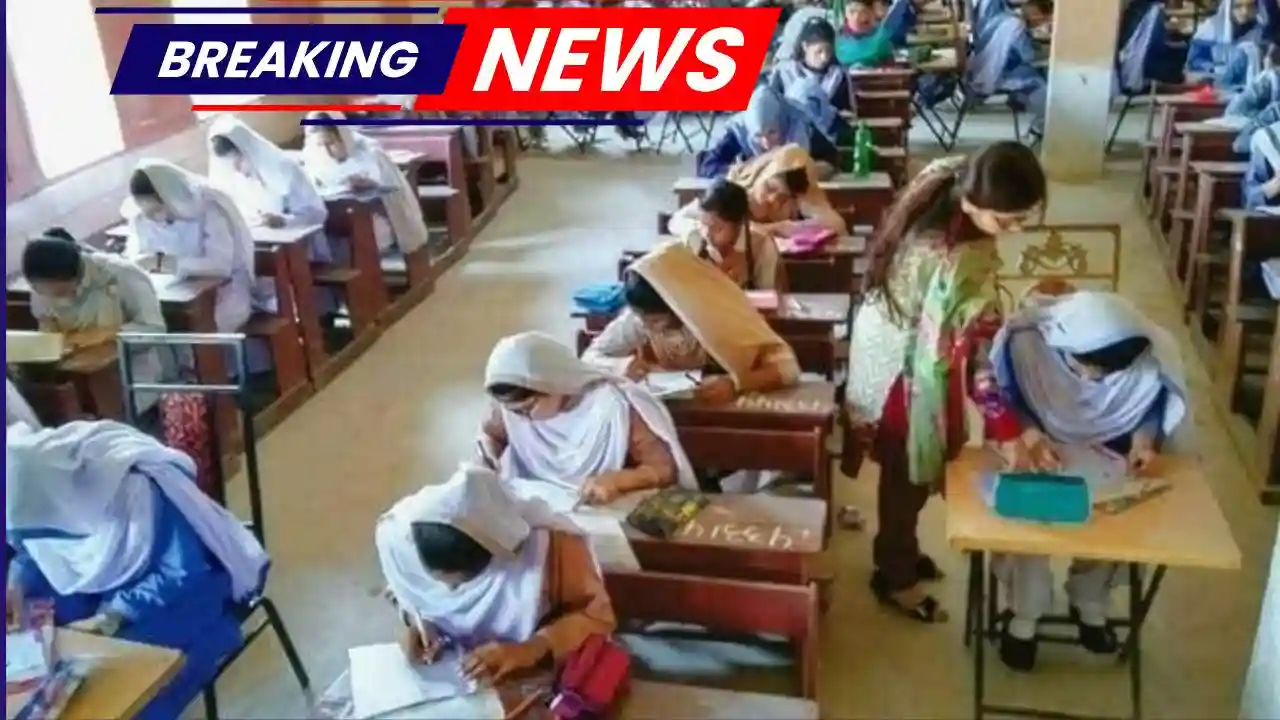
The Punjab Announces Major Reforms in Matric & Intermediate Exams has announced major reforms in Matric (SSC) and Intermediate (HSSC) examinations to modernize the education system, reduce rote learning, and ensure fair assessment for students. These reforms will be implemented across all Punjab educational boards under the supervision of Punjab Boards Committee of Chairmen.
The new exam system aims to improve concept-based learning, transparency, and student confidence while aligning Pakistan’s education standards with international practices.
Why Punjab Introduced Reforms in Matric & Intermediate Exams
Punjab’s education system has long faced criticism for:
- Heavy reliance on rote memorization
- Outdated paper patterns
- Unfair marking practices
- High student stress
The new reforms are designed to:
- Promote conceptual understanding
- Reduce exam pressure
- Improve learning outcomes
- Prepare students for higher education and competitive exams

Major Changes in Matric & Intermediate Examination System
1. Shift from Rote Learning to Concept-Based Exams
One of the biggest reforms is the end of memorization-based papers.
✔ Questions will test:
- Understanding
- Critical thinking
- Application of concepts
✔ Fewer direct book lines
✔ More analytical and scenario-based questions
This change helps students truly understand subjects instead of memorizing answers.

2. New Paper Pattern for SSC & HSSC
The exam paper structure has been redesigned.
Updated Paper Format Includes:
- Multiple Choice Questions (MCQs) – concept-focused
- Short Questions – reasoning-based
- Long Questions – analytical & explanatory
Objective sections will no longer be purely memory-based. MCQs may include:
- Case studies
- Situational questions
- Logical reasoning
3. Reduction in Unnecessary Curriculum Burden
The Punjab government has reviewed syllabi to remove:
- Repetitive topics
- Outdated material
- Overloaded chapters
This ensures:
- Balanced syllabus
- Better time management
- Improved student focus

4. Introduction of Modern Assessment Techniques
Exams will now include:
- Problem-solving questions
- Real-life examples
- Cross-topic analysis
This system encourages deep learning instead of cramming.
5. Transparent and Uniform Marking System
To eliminate unfair marking:
- Unified marking schemes will be used
- Examiner training programs introduced
- Digital monitoring of checking processes
This reform ensures:
- Fair results
- Reduced human error
- Increased trust in board exams
6. Enhanced Role of Practical & Internal Assessments
Practical exams and internal assessments will carry greater importance.
Key Improvements:
- Standardized practical evaluation
- Skill-based assessment
- Reduced manipulation in internal marks
Science and technical students will benefit the most from this change.
7. Exam Calendar & Result Transparency
Punjab boards will follow:
- A fixed annual exam calendar
- Timely result announcements
- Digital access to result records
Students can expect:
- Less uncertainty
- Faster rechecking processes
- Improved exam planning
8. Teacher Training & Capacity Building
Teachers play a crucial role in implementing reforms.
Government Initiatives Include:
- Professional training workshops
- Updated teaching methodologies
- Assessment-focused teaching skills
This ensures teachers are fully prepared for the new system.
9. Benefits for Students
These reforms offer multiple advantages:
✔ Reduced exam stress
✔ Better conceptual understanding
✔ Improved confidence
✔ Strong foundation for higher studies
✔ Alignment with competitive exams
Students will be evaluated on knowledge, not memory.
10. Impact on Private Candidates
Private candidates will also follow the new system:
- Same paper pattern
- Same grading criteria
- Equal evaluation standards
This ensures fairness for all candidates.
11. Digital Reforms & Online Support
Punjab boards are working toward:
- Online registration improvements
- Digital roll number slips
- Online result verification
These steps improve accessibility and reduce paperwork.
12. Implementation Timeline
- Reforms apply from 2026 examination cycle
- Gradual implementation to avoid disruption
- Continuous review and improvement
Students appearing in upcoming exams should prepare according to the new exam pattern.
How Students Should Prepare for the New Exam System
✔ Focus on understanding concepts
✔ Practice analytical questions
✔ Avoid cramming
✔ Use past papers for pattern understanding
✔ Improve writing and explanation skills
Smart preparation is the key to success under the new system.
Conclusion
The Punjab Matric & Intermediate exam reforms mark a historic shift toward quality education. By eliminating rote learning and introducing modern assessment methods, Punjab aims to produce confident, skilled, and knowledgeable students ready for the future.
These reforms will not only improve academic standards but also restore trust in the examination system.
Frequently Asked Questions (FAQs)
1. When will the new Matric & Intermediate exam reforms start?
The reforms will be implemented from the 2026 examination cycle.
2. Will syllabus be reduced under the new reforms?
Yes, unnecessary and repetitive content has been removed.
3. Are MCQs completely removed from exams?
No, MCQs remain but will be concept-based instead of memorization-based.
4. Will private candidates follow the same exam rules?
Yes, private candidates will follow the same paper pattern and marking system.
5. How will these reforms benefit students?
They reduce stress, improve understanding, and prepare students for higher education.