What Is Shab-e-Barat? History, Importance & Islamic View
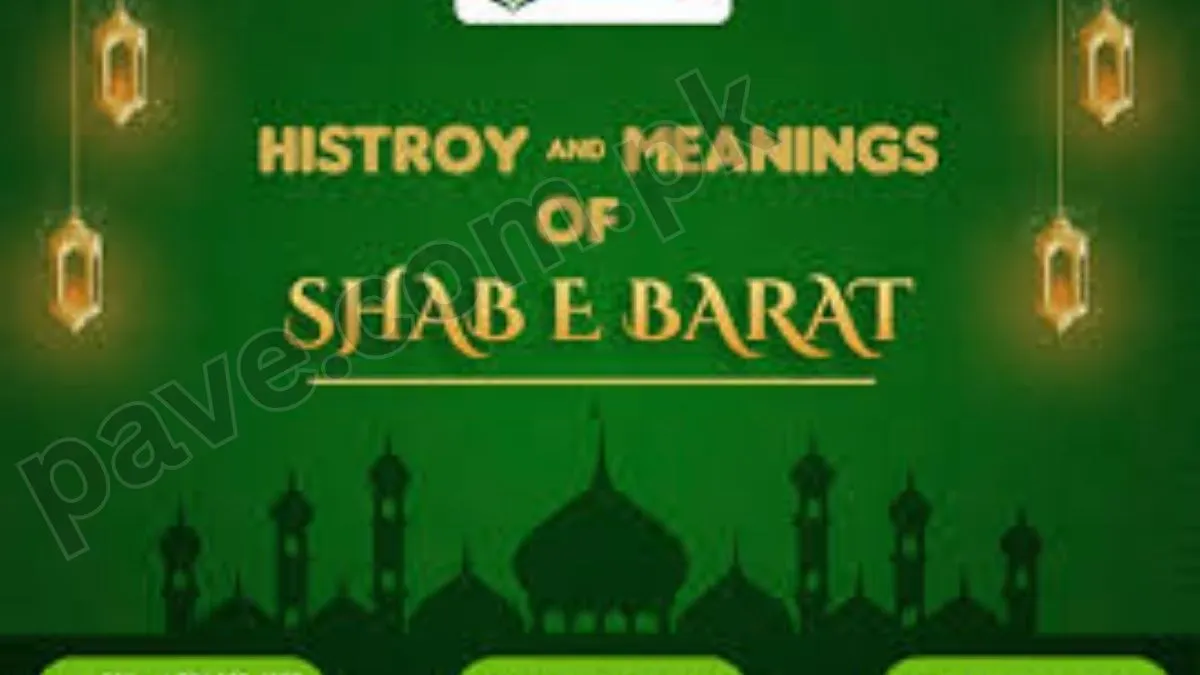
Shab-e-Barat is observed on the 15th night of the Islamic month of Shaban and is widely revered across South Asia, Central Asia, and parts of the Middle East. Known as the Night of Forgiveness or Night of Records, it carries deep spiritual meaning for millions of Muslims.
Since tonight is Tuesday, February 3, 2026, Muslims are entering this blessed night after Maghrib, with observance continuing until Fajr on Wednesday, February 4.
Which Night Is Shab-e-Barat in 2026?
- Night: Tuesday, February 3, 2026 (after sunset)
- Day (15th Shaban): Wednesday, February 4, 2026
- Pakistan context: Widely observed tonight; fasting is recommended tomorrow.

1) Meaning & Origin
What does “Shab-e-Barat” mean?
- Shab (Persian): Night
- Barat (Arabic): Freedom, salvation, forgiveness
Together, it means the Night of Salvation/Forgiveness—a night associated with mercy and release from punishment.
Historical threads in tradition
- Prophetic practice: Multiple narrations mention Muhammad visiting Jannat al-Baqi in Madinah on this night to pray for the deceased, underscoring remembrance and mercy.
- Noah’s Ark (traditional accounts): Some communities recount that deliverance from the flood occurred around this date—shared as moral lore rather than a definitive historical claim.
- Shia significance: For Shia Muslims, 15th Shaban marks the birth of Imam Muhammad al-Mahdi, the 12th Imam—making it a night of hope and renewal.
2) Why Is Shab-e-Barat Important? (The “Night of Records”)
Across many Islamic traditions, this night is associated with:
- Destiny & decrees: Belief that life events for the coming year—births, deaths, provision (rizq)—are set.
- Abundant mercy: Narrations describe a special call to repentance and forgiveness.
- Preparation for Ramadan: Falling about two weeks before Ramadan, it serves as a spiritual reset—cleaning the heart before fasting begins.

3) Is Shab-e-Barat Mentioned in the Quran?
This is a common question with scholarly nuance.
- Surah ad-Dukhan (44:3) mentions a “Blessed Night.”
- Majority view: Most classical scholars interpret this verse as referring to Laylat al-Qadr in Ramadan.
- Alternate view: Some commentators historically linked it to Shab-e-Barat.
Bottom line: The Quran does not explicitly name Shab-e-Barat; its virtues are discussed primarily through Hadith literature and scholarly interpretation.

4) Scholarly Perspectives (Reality of Shab-e-Barat in Islam)
General consensus
- Shaban is a virtuous month, and the 15th night is widely regarded as a good time for extra worship, repentance, and charity.
- Many supporting narrations exist, though several are classified as da‘if (weak). Scholars still allow individual extra worship based on the collective weight of tradition.
Reformist/Salafi caution
- Singling out the night for fixed congregational rituals, fireworks, or invented customs is viewed by some as bid‘ah (innovation) if believed to be obligatory or uniquely prescribed.
- Emphasis is placed on personal, voluntary worship without ritual excess.
Practical takeaway:
Personal prayers, repentance, and charity are widely accepted; turning the night into spectacle or compulsory ritual is discouraged by many scholars.
5) What Happened on Shab-e-Barat? (Traditions Summarized)
- A night associated with forgiveness and mercy
- Remembrance of the deceased (graveyard visits)
- Reflection on one’s deeds and intentions
- (For Shia Muslims) celebration of Imam Mahdi’s birth
6) Common Observances Tonight (What Muslims Do)
- Nawafil & Dhikr: Voluntary prayers, Qur’an recitation, remembrance of Allah
- Dua for forgiveness:
Allahumma innaka ‘afuwwun tuhibbul ‘afwa fa‘fu ‘anni - Visiting graveyards: Praying for departed loved ones
- Mending ties: Asking forgiveness from family and friends
- Fasting: Recommended on the following day (Wednesday, Feb 4)
Quick Answers to Popular Searches
- Why is Shab-e-Barat celebrated?
For forgiveness, mercy, reflection, and preparation for Ramadan. - Is Shab-e-Barat allowed in Islam?
Yes—individual worship is widely accepted; avoid treating specific customs as obligatory. - Does ☪ represent Islam?
Yes, the crescent symbol is commonly associated with Islam, though it is cultural, not doctrinal. - Shab-e-Barat date in Pakistan 2026:
Night of Feb 3; day of Feb 4.
Final Reflection
Shab-e-Barat is best approached as a quiet night of repentance, mercy, and reconciliation—a pause before Ramadan to set intentions straight. Whether one follows a more celebratory or reserved practice, the shared essence remains the same: seek forgiveness, forgive others, and turn sincerely toward Allah.