
Pakistan Loses 1% GDP Annually to Climate Damage: OICCI
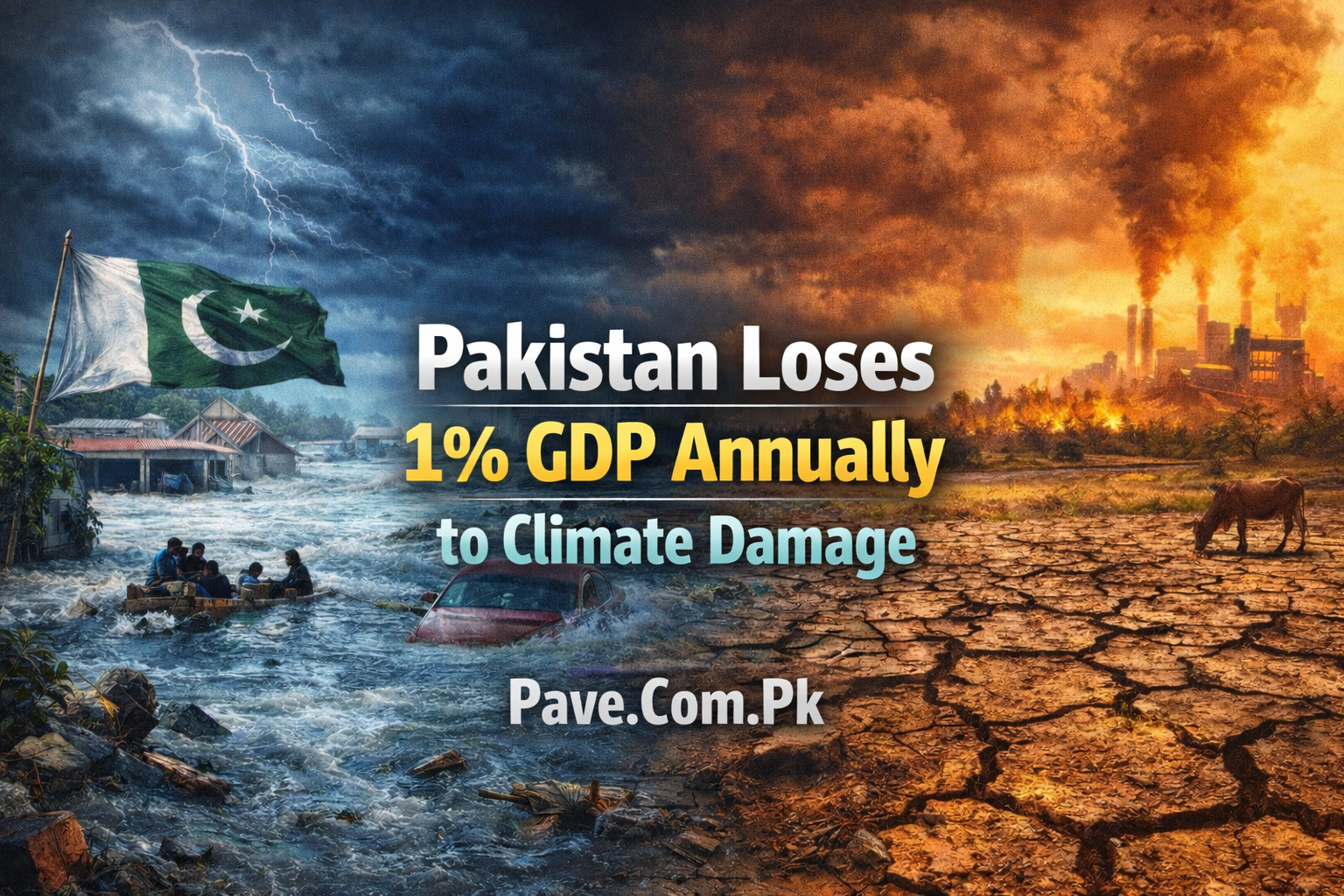
Pakistan is losing around 1% of its Gross Domestic Product (GDP) every year due to climate-related damage, according to speakers at a recent conference organized by the Overseas Investors Chamber of Commerce and Industry (OICCI).
This warning highlights the growing economic threat posed by climate change in Pakistan, a country already struggling with floods, heatwaves, droughts, and water shortages. Experts at the conference stressed that climate damage is no longer just an environmental issue. It is now a major economic and development challenge.
Why This Statement Matters
Losing 1% of GDP annually is a serious issue for any economy. For Pakistan, it means:
- Billions of dollars in losses every year
- Slower economic growth
- Higher poverty levels
- Pressure on government budgets
- Reduced investor confidence
Climate change is directly affecting agriculture, infrastructure, energy, health, and industry, which are key pillars of Pakistan’s economy.

What Is GDP and Why a 1% Loss Is Huge
GDP measures the total value of goods and services produced by a country in one year. When experts say Pakistan loses 1% of GDP annually, it means:
- Fewer jobs are created
- Government revenue decreases
- Development projects slow down
- Inflation pressure increases
Even a 1% loss can set back national progress by several years, especially for a developing country.

Climate Change Impact on Pakistan’s Economy
Pakistan is among the most climate-vulnerable countries in the world, despite contributing very little to global carbon emissions.
Major climate-related threats include:
- Floods
- Heatwaves
- Droughts
- Glacial melting
- Irregular rainfall
Each of these disasters causes direct financial losses and long-term economic damage.

Floods: The Biggest Economic Shock
Floods are the most destructive climate events in Pakistan.
They damage:
- Crops and farmland
- Roads, bridges, and homes
- Schools and hospitals
- Power and gas infrastructure
Flood recovery costs billions of rupees and takes years, pushing economic growth further back.

Agriculture Sector Under Pressure
Agriculture plays a vital role in Pakistan’s economy and employs a large portion of the population.
Climate damage affects:
- Crop yields
- Livestock health
- Water availability
- Food security
Heat stress, floods, and droughts are reducing farm productivity, increasing food prices, and hurting rural incomes.
Heatwaves and Productivity Loss
Extreme heatwaves are becoming more frequent.
Their impact includes:
- Lower labor productivity
- Health emergencies
- Increased energy demand
- Power outages
Outdoor workers, factory staff, and daily wage earners suffer the most, directly affecting economic output.
Water Crisis and Economic Risk
Climate change is worsening Pakistan’s water crisis.
Key issues:
- Rapid glacial melting
- Reduced river flows
- Groundwater depletion
- Poor water management
Water shortages affect agriculture, industry, and urban life, creating long-term economic instability.
Damage to Infrastructure
Climate disasters regularly damage Pakistan’s infrastructure.
This includes:
- Roads and highways
- Railways
- Power plants
- Communication networks
Repairing this infrastructure drains public funds that could be used for education, health, and development.
What Was Discussed at the OICCI Conference
At the OICCI conference, experts, business leaders, and policymakers discussed:
- Economic cost of climate change
- Climate resilience planning
- Role of private sector
- Sustainable investment strategies
- Climate adaptation policies
The conference stressed that climate action is now an economic necessity, not just an environmental choice.
Impact on Foreign Investment
Climate instability affects investor confidence.
Investors worry about:
- Supply chain disruptions
- Infrastructure damage
- Rising insurance costs
- Policy uncertainty
Without strong climate policies, Pakistan may struggle to attract long-term foreign investment.
Role of the Private Sector
The private sector has a key role in reducing climate damage.
Possible actions include:
- Investing in renewable energy
- Climate-resilient infrastructure
- Water-efficient technologies
- Green financing
OICCI emphasized that businesses must be part of the climate solution.
Government Response and Policy Challenges
Pakistan has introduced climate policies, but challenges remain.
Key problems:
- Limited funding
- Weak implementation
- Poor coordination
- Lack of data-driven planning
Experts believe stronger execution and accountability are needed to reduce economic losses.
Climate Adaptation vs Climate Mitigation
Two main approaches were discussed:
Climate Adaptation
- Flood defenses
- Early warning systems
- Climate-smart agriculture
Climate Mitigation
- Reducing emissions
- Clean energy transition
- Energy efficiency
Both are important to protect Pakistan’s economy.
Why Pakistan Suffers More Than Other Countries
Pakistan contributes less than 1% to global greenhouse gas emissions but faces disproportionate damage.
Reasons include:
- Geographic vulnerability
- Large population
- Dependence on agriculture
- Weak infrastructure
This makes climate financing and international support critical.
Need for Climate Financing
Experts at the conference highlighted the need for:
- International climate funds
- Green bonds
- Public-private partnerships
Without financial support, Pakistan cannot fully protect itself from climate-related GDP losses.
Long-Term Economic Risks
If climate damage continues unchecked:
- GDP losses could increase
- Poverty could rise
- Food insecurity could worsen
- Health costs could explode
Climate change could become the biggest barrier to Pakistan’s economic growth.
Conclusion
The warning that Pakistan loses 1% of GDP annually to climate damage is a serious wake-up call.
Climate change is no longer a future risk. It is already hurting Pakistan’s economy today. The message from the OICCI conference is clear: climate resilience, smart investment, and strong policy action are essential to protect the country’s economic future.
Frequently Asked Questions (FAQs)
Q1: How much GDP does Pakistan lose due to climate damage?
Pakistan loses about 1% of GDP every year because of climate-related disasters.
Q2: Who highlighted this issue?
The issue was highlighted at a conference organized by OICCI.
Q3: What sectors are most affected?
Agriculture, infrastructure, energy, health, and industry are most affected.
Q4: Why is Pakistan so vulnerable to climate change?
Pakistan has high climate exposure, weak infrastructure, and depends heavily on agriculture.
Q5: Can climate action reduce economic losses?
Yes, climate adaptation, mitigation, and investment can significantly reduce future losses.