Pakistan Govt Announces Pay Cuts for Officials and New Austerity Measures
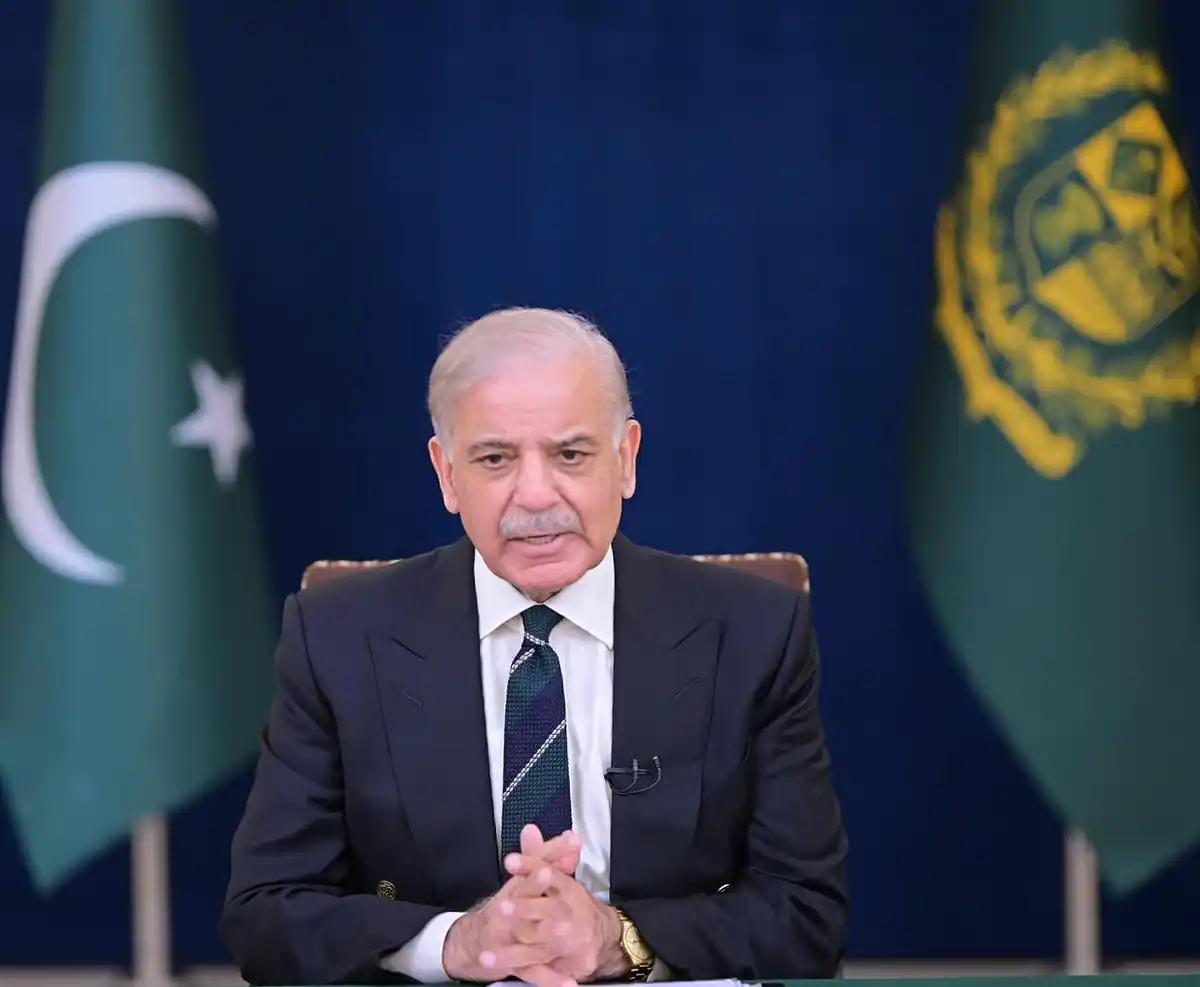
The Government of Pakistan has introduced a new set of austerity and fuel-saving measures aimed at reducing public expenditure and improving financial discipline across government institutions.
According to a notification issued by the Cabinet Division of Pakistan, the measures include temporary salary cuts for senior officials, restrictions on foreign travel, reductions in fuel usage, and tighter control over government spending.
The decision was approved by Prime Minister Shehbaz Sharif following recommendations from the committee responsible for monitoring fuel conservation and austerity policies.
Temporary Salary Cuts for Senior Officials
One of the major steps announced by the government is a two-month temporary salary reduction for senior officials working in:
- State-owned enterprises
- Autonomous bodies
- Statutory authorities
- Regulatory institutions
The salary cuts will apply to the gross salaries of top management officials, including:
- Chief Executive Officers
- Executive Directors
- Directors
- Senior Managers
The reductions are part of broader efforts to reduce government expenses during the current fiscal period.
Salary Reduction Slabs Announced
The government has introduced a tier-based salary cut structure depending on the income level of officials.
The salary deduction plan includes:
- 5% salary cut for officials earning Rs. 300,000 to Rs. 1 million
- 15% salary cut for those earning Rs. 1 million to Rs. 2 million
- 25% salary cut for salaries between Rs. 2 million and Rs. 3 million
- 30% salary cut for officials earning above Rs. 3 million
These reductions will remain in effect for two months.

Creation of Prime Minister’s Austerity Fund 2026
All deducted salary amounts will be transferred to the Prime Minister’s Austerity Fund 2026.
The fund has been established to collect savings generated from the government’s austerity measures and support national financial stability.
The government expects the fund to receive contributions from multiple sources under the new policy framework.

Board Fees Also Directed to Austerity Fund
The government has also ordered that 100% of board fees received by government nominees serving on boards of:
- State-owned enterprises
- Statutory organizations
- Private sector companies
must be deposited into the Prime Minister’s Austerity Fund for the next two months.
This step is intended to further strengthen the government’s cost-saving efforts.

Simpler Diplomatic Events Abroad
As part of diplomatic spending cuts, the Ministry of Foreign Affairs Pakistan has been instructed to organize simple flag-hoisting ceremonies on March 23 (Pakistan Day) instead of traditional receptions at overseas missions.
Additionally:
- Foreign missions will face 20% cuts in non-ERE budgets
- Overseas staff will experience two-day salary deductions
However, essential obligations such as:
- Rent payments
- Education fees
- Medical expenses
will continue to be paid.
Ban on Foreign Travel for Officials
The government has imposed a two-month ban on official foreign travel for government officials.
This restriction includes:
- Official visits
- International conferences
- Government delegations
If Pakistan’s participation is required at international events, ambassadors or high commissioners already stationed abroad will represent the country.
However, fully funded training programs offered by international financial or development institutions will remain exempt from the ban.
Special Exemptions for the Federal Board of Revenue
The Federal Board of Revenue (FBR) and departments under the Revenue Division will receive certain operational exemptions.
These departments will not follow:
- The previously announced work-from-home policy
- The four-day workweek arrangement
This exemption is necessary due to the operational needs of tax enforcement activities.
However, the FBR must still achieve overall fuel reduction targets through adjustments in other operational areas.
Fuel and Vehicle Restrictions for Government Departments
The government has introduced strict controls on fuel usage and official vehicles.
Departments that are not involved in essential field operations will face:
- 50% reduction in fuel allocation
- Grounding of 60% of official vehicles
Additionally, ministries have been directed to ensure that official vehicles are used strictly for official duties only.
Exemptions for Security and Law Enforcement Agencies
Due to national security requirements, law enforcement agencies and the armed forces will be exempt from:
- Work-from-home arrangements
- The four-day workweek policy
However, administrative departments not directly involved in operational duties may still be required to reduce fuel usage and vehicle operations.
Digital Monitoring of Austerity Measures
To ensure compliance with the new austerity policies, federal institutions and provincial governments must submit weekly implementation reports.
These reports will be submitted through a digital portal developed by the Ministry of Information Technology and Telecommunication Pakistan.
The system will allow authorities to monitor progress and track financial savings.
Oversight by Intelligence Bureau
The Intelligence Bureau Pakistan has been assigned to conduct audits of:
- Fuel usage reductions
- Grounding of official vehicles
The agency will submit weekly reports directly to the prime minister and the monitoring committee.
This oversight aims to ensure transparency and effective implementation of the new policies.
Committee Formed to Manage Financial Savings
A special committee led by the Finance Secretary of Pakistan has been formed to develop a mechanism for transferring financial savings to the Prime Minister’s Austerity Fund 2026.
The committee includes finance secretaries from all provinces and will present its recommendations during the next policy review meeting.\
Conclusion
The Pakistani government’s latest austerity measures represent a comprehensive effort to reduce public spending and promote financial discipline across state institutions.
By introducing salary cuts for senior officials, restricting foreign travel, reducing fuel usage, and strengthening financial monitoring systems, authorities aim to control government expenditures during a challenging economic period.
The success of these measures will depend on effective implementation and cooperation among federal and provincial institutions.