Intelligence Bureau to Monitor Govt Austerity Measures as Fuel Prices Rise in Pakistan
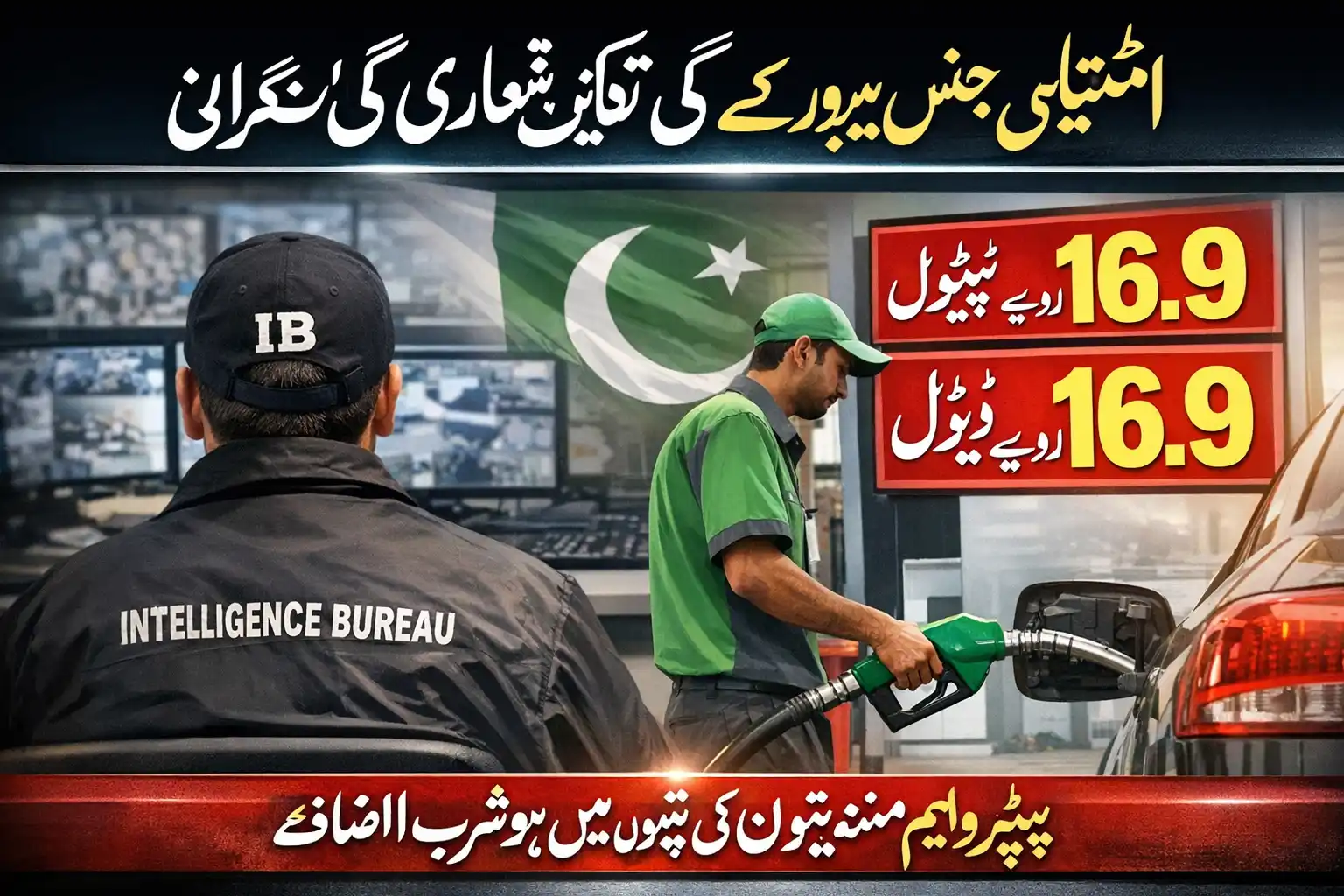
Pakistan is facing increasing economic pressure due to rising global oil prices. In response, Prime Minister Shehbaz Sharif has taken a major step by directing the Intelligence Bureau (IB) to monitor the implementation of austerity measures across government institutions.
This decision reflects the government’s serious efforts to control fuel consumption, reduce unnecessary spending, and stabilize the national economy during a time of global uncertainty.
In this detailed article, we will explain everything in easy English, including the austerity plan, IB’s role, fuel crisis impact, and what it means for Pakistan.
What is the Government Austerity Plan 2026?
The Pakistan austerity plan 2026 is a cost-cutting strategy introduced by the government to reduce expenses and manage limited resources effectively.
Key Objectives
- Reduce fuel consumption
- Cut unnecessary government expenses
- Improve economic stability
- Manage the impact of rising oil prices
This plan is being implemented at both federal and provincial levels.

Why Did the Government Introduce Austerity Measures?
The main reason behind this decision is the global fuel crisis.
Causes of Rising Fuel Prices
- International oil price increase
- Global political tensions
- Conflict involving the United States, Israel, and Iran
- Supply chain disruptions
Due to these factors, countries like Pakistan are facing higher import costs, which directly affect fuel prices and inflation.

Role of Intelligence Bureau (IB) in Monitoring
The government has assigned a powerful role to the Intelligence Bureau.
Responsibilities of IB
- Monitor implementation of austerity measures
- Conduct audits of government departments
- Verify fuel conservation efforts
- Submit weekly reports to the Prime Minister
- Identify violations and misuse of resources
This ensures strict accountability across institutions.

Cabinet Division Notification – What It Says
According to the official notification issued by the Cabinet Division of Pakistan:
- IB will perform audit and validation checks
- All departments must follow fuel-saving policies
- Performance reports will be submitted weekly
- A special committee will review progress
This shows that the government is serious about enforcing the policy.

Key Austerity Measures Announced
The government has introduced several strict steps to reduce expenses.
Major Measures
1. Reduction in Government Spending
All departments are instructed to cut non-essential expenses such as luxury items and unnecessary purchases.
2. Fuel Conservation Policy
- Limit use of official vehicles
- Reduce unnecessary travel
- Encourage fuel-saving practices
3. Four-Day Work Week
Government offices may operate for four days a week to reduce fuel and electricity usage.
4. Salary Cuts for Officials
- Federal cabinet members will not take salaries for two months
- Lawmakers will face a 25% salary reduction
5. Limited Official Travel
Only essential travel will be allowed to reduce fuel consumption.
Monitoring in Parliament Institutions
The IB has also been instructed to monitor compliance in:
- National Assembly of Pakistan
- Senate of Pakistan
This ensures that austerity measures are followed at the highest levels of government.
Impact of Austerity Measures on Economy
The austerity plan can have both positive and negative effects.
Positive Impact
- Reduced government expenses
- Better fuel management
- Improved economic discipline
- Increased investor confidence
Negative Impact
- Reduced government operations
- Possible delays in services
- Public inconvenience
Overall, the goal is long-term economic stability.
Impact on Common Citizens
Although the policy is mainly for government institutions, it indirectly affects the public.
Effects on People
- Reduced fuel demand may stabilize prices
- Inflation control over time
- Possible reduction in public services
- Encouragement of energy-saving habits
The government aims to balance economic stability with public relief.
Government’s Economic Strategy
Prime Minister Shehbaz Sharif emphasized that:
- Economic stability is a top priority
- Public relief is essential
- Difficult decisions are necessary
- Government is ready for global challenges
This shows a proactive approach to handling economic pressure.
Enforcement and Accountability
Strict actions will be taken against violations.
Possible Actions
- Disciplinary action against officials
- Monitoring through IB reports
- Regular audits and inspections
This ensures transparency and compliance.
Why IB Was Chosen for Monitoring?
The Intelligence Bureau is one of the most trusted institutions in Pakistan.
Reasons
- Strong surveillance capabilities
- Nationwide presence
- Ability to detect violations
- Experience in sensitive operations
This makes IB suitable for enforcing strict policies.
Future Outlook of Pakistan’s Economy
The success of this austerity plan depends on:
- Proper implementation
- Public cooperation
- Global oil price trends
- Government consistency
If implemented effectively, it can help stabilize Pakistan’s economy.
Keywords Used in This Article (SEO Optimization)
Pakistan austerity plan 2026, fuel price increase Pakistan, IB monitoring government, Shehbaz Sharif austerity measures, fuel conservation policy Pakistan, government spending cuts Pakistan, Pakistan economy 2026, oil price crisis Pakistan
Conclusion
The decision to assign the Intelligence Bureau to monitor austerity measures shows the seriousness of the government in tackling the economic crisis. With rising fuel prices and global uncertainty, Pakistan is taking strong steps to control spending and ensure accountability.
Prime Minister Shehbaz Sharif’s strategy focuses on discipline, transparency, and long-term stability. While these measures may bring short-term challenges, they are essential for improving Pakistan’s economic future.