
Alina Amir Viral Car Video – Reality, Facts & Full Story
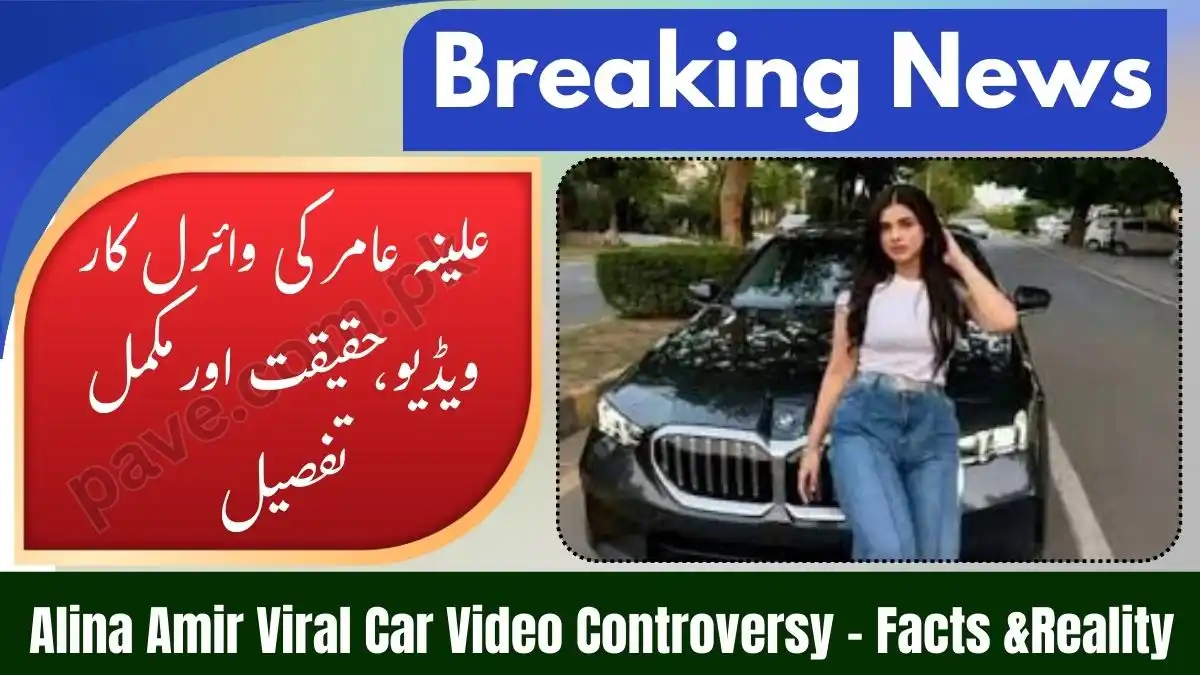
Searches around Pakistani TikToker Alina Amir and an alleged “viral car video” have surged in recent days, especially across Google, TikTok, and Telegram groups. The spike has fueled confusion, speculation, and in some cases outright panic. A careful review of verified statements, cybersecurity advisories, and digital forensics shows a clear pattern: this trend is driven by AI-generated deepfakes and coordinated online scams, not by any authentic leaked content.
1. No Real Video Exists: It Is a Deepfake Campaign
The most important fact is also the simplest. There is no real or authentic “car video” involving Alina Amir. The clips being circulated online are digitally manipulated.
Alina Amir herself has publicly confirmed that the videos are fake. According to her statement, the content was created using AI deepfake technology, where her face was superimposed onto unrelated footage to make it appear real. These tools have become disturbingly accessible and are increasingly used to target female influencers in South Asia.
After initially ignoring the circulation, Alina addressed the issue directly on Instagram, calling the videos a deliberate attempt to damage her reputation and exploit public curiosity for clicks and money. She made it clear that the footage does not feature her in any form.
She also formally appealed to Maryam Nawaz and Pakistan’s cybercrime authorities to take action against those creating and distributing AI-generated defamatory content. Her request aligns with a growing national conversation around regulating deepfakes and online harassment.

2. The Bigger Threat: “Full Video” Link Scams
While the fake video itself is harmful, cybersecurity experts warn that the bigger danger lies in the links being shared alongside it.
Search results and social media posts promising the “full Alina Amir viral car video” are part of a classic SEO poisoning operation. Scammers deliberately use trending keywords to push malicious links higher in search rankings and social feeds.
How the Scam Works
Users who click these links are typically redirected to:
- Fake video landing pages that ask for phone numbers or login details
- Phishing sites mimicking banking or wallet platforms
- Online betting and gambling portals
- Malicious file downloads disguised as video players
In many cases, malware is silently installed on the device, allowing attackers to access personal data, social media accounts, or even banking credentials.
A particularly alarming tactic being observed is bogus university or educational domains. Scammers register expired or poorly monitored academic subdomains to make the links appear trustworthy in Google search results. This technique has proven effective in bypassing user skepticism.
Cybersecurity professionals strongly advise that no legitimate source is hosting such a video, and clicking on any link claiming to show it poses a real financial and privacy risk.

3. Who Is Alina Amir? Context Matters
Understanding who Alina Amir is helps explain why she has become a repeated target of such campaigns.
Alina Amir, popularly known as the “Sarsarahat Girl,” is a prominent digital creator with over two million followers each on TikTok and Instagram. She rose to fame after a reel referencing the viral dialogue “Meri body mein sensation ho rahi hai”, which resonated widely on Pakistani social media.
Her content typically focuses on:
- Short comedic impressions
- Beauty and makeup reels
- Fashion styling and lifestyle clips
She is not known for controversial or explicit content, which makes the current allegations even more inconsistent with her established online persona. This pattern is common in deepfake abuse, where high-visibility but low-controversy influencers are targeted precisely because false claims spread faster.

4. Why This Keeps Happening
The Alina Amir case is not isolated. It reflects a broader digital trend in Pakistan and the region:
- AI tools now allow realistic face swaps in minutes
- There is weak enforcement against anonymous uploaders
- Sensational keywords drive massive traffic and ad revenue
- Victims are often women with large social followings
Once a name starts trending, scammers replicate the same playbook across platforms, recycling headlines like “leaked,” “MMS,” or “car video” regardless of whether any content exists.

5. The Verified Verdict
After reviewing all available evidence, the conclusion is unambiguous:
- There is no authentic leaked or viral car video of Alina Amir
- The circulating clips are AI-generated deepfakes
- The trend is being amplified by cyber-scam networks to spread malware and phishing links
- Clicking on so-called “full video” links is unsafe and potentially damaging
Users are strongly advised to avoid searching for or sharing such links and to report posts that promote them.
Bottom Line
The so-called Alina Amir “viral car video” is a manufactured digital hoax built on deepfake technology and search-engine manipulation. It thrives on curiosity, misinformation, and the lack of awareness around AI abuse.