Another Attack on Bajrang Dal? Viral Video Claims Members Sent to Hospital
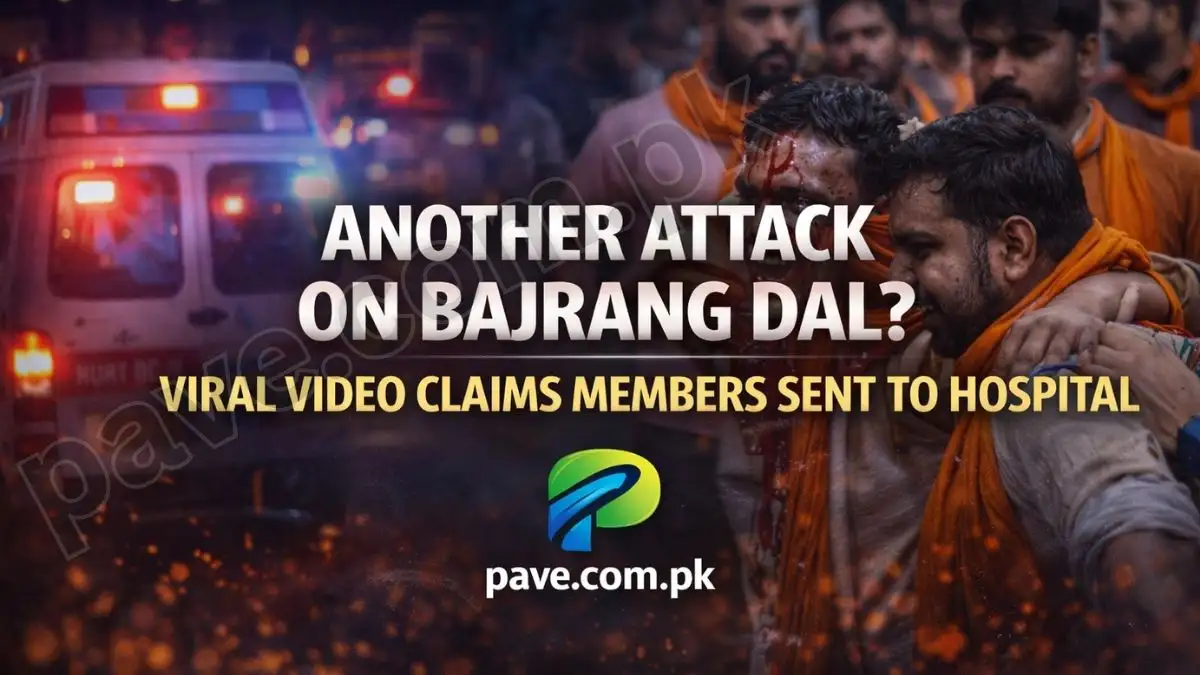
In early 2026, a wave of viral videos and social media posts triggered nationwide debate around alleged “attacks” involving the Bajrang Dal. While online narratives often framed these incidents as one-sided violence, verified reports, police records, and fact-checks reveal a far more complex reality involving local disputes, counter-complaints, and legal action on both sides.
Here is a clear, factual breakdown of the key incidents, stripped of viral exaggeration.
1. The Kotdwar Incident: The “Mohammad Deepak” Video Explained
The most widely shared clip emerged from Kotdwar, Uttarakhand, in late January 2026.
What Triggered the Conflict
On January 26, 2026, members associated with the Bajrang Dal and Vishva Hindu Parishad (VHP) confronted a 70-year-old Muslim shopkeeper, Wakeel Ahmed, over the name of his store, “Baba School Dress.”
The group allegedly argued that the term “Baba” should be reserved for Hindu religious usage and pressured the shopkeeper to rename the business.
The Viral Moment
During the confrontation, a local Hindu gym owner, Deepak Kumar, stepped in to protect the shopkeeper. When members of the crowd demanded his identity, he replied:
“My name is Mohammad Deepak.”
The statement, intended as a message of communal unity, was captured on video and went viral across India.
The “Hospital” Claims
Soon after, social media posts claimed that Bajrang Dal members were “sent to hospital” following the incident.
Police records clarify:
- A physical scuffle broke out during the heated exchange
- Minor injuries were reported on both sides
- Bajrang Dal members filed a counter-complaint accusing Deepak Kumar and his associate Vijay Rawat of assault
There is no evidence of a one-sided mob attack as suggested in viral captions.

2. Are Bajrang Dal Members Being Systematically Targeted?
A major part of the online narrative relies on misleading or recycled footage.
Misattributed Videos
- A clip claiming to show a midnight Bajrang Dal rally heading to West Bengal (2026) was debunked
- Fact-checkers traced it to a February 2025 fair in Maharashtra
Such mislabeling has been repeatedly used to amplify fear-driven narratives.
Other “Hospital” Narratives
In several cases cited online (including Bihar and Uttar Pradesh):
- Bajrang Dal members did report injuries
- Police investigations often found that the group had initiated the confrontation, typically during alleged moral-policing or religious interference incidents
- FIRs were filed against both parties, not just one side
These were localized clashes, not evidence of a coordinated campaign.
3. Police Action and Legal Consequences
Authorities across states adopted a zero-tolerance approach toward unrest in early 2026.
Uttarakhand (Kotdwar Case)
- A Special Investigation Team (SIT) was formed
- At least 14 Bajrang Dal members were identified for:
- Harassment
- Rioting
- Blocking a national highway
Cross-FIRs
Police registered:
- FIRs against right-wing members for intimidation and public disorder
- A separate FIR based on Bajrang Dal’s allegations of assault against Deepak Kumar
This dual legal action highlights the non-binary nature of the incident.

4. Other Notable Incidents Linked Online
| Location | Issue | Status |
|---|---|---|
| Kotdwar, Uttarakhand | Shop naming dispute | SIT investigation ongoing |
| Bareilly, Uttar Pradesh | Moral policing at cafe | FIRs filed against disruptors |
| Raipur, Chhattisgarh | Mall vandalism | Accused released on bail |
Each case involved local triggers, not coordinated national violence.

5. Why These Videos Go Viral
Several factors fuel the spread:
- Emotionally charged short clips without context
- Polarized captions using words like “attack” or “mob”
- Algorithmic amplification during politically sensitive periods
In most cases, full-length footage and police reports tell a very different story.
Final Assessment
The claim that Bajrang Dal members are being broadly “sent to hospital” across India is misleading when presented without context.
What the evidence shows:
- Most incidents began as local disputes or moral-policing confrontations
- Physical scuffles, when they occurred, led to minor injuries on both sides
- Law enforcement acted against all parties involved, not selectively
Viral videos often highlight only the aftermath, not the provocation or legal findings.
Bottom Line
In 2026, virality is not the same as verification.
The Bajrang Dal–related clips dominating social media are best understood as isolated local conflicts magnified by algorithm-driven outrage, not proof of a nationwide pattern of attacks.