Bad News: Electricity Prices to Go Up Again in Pakistan – Expected Rise From February
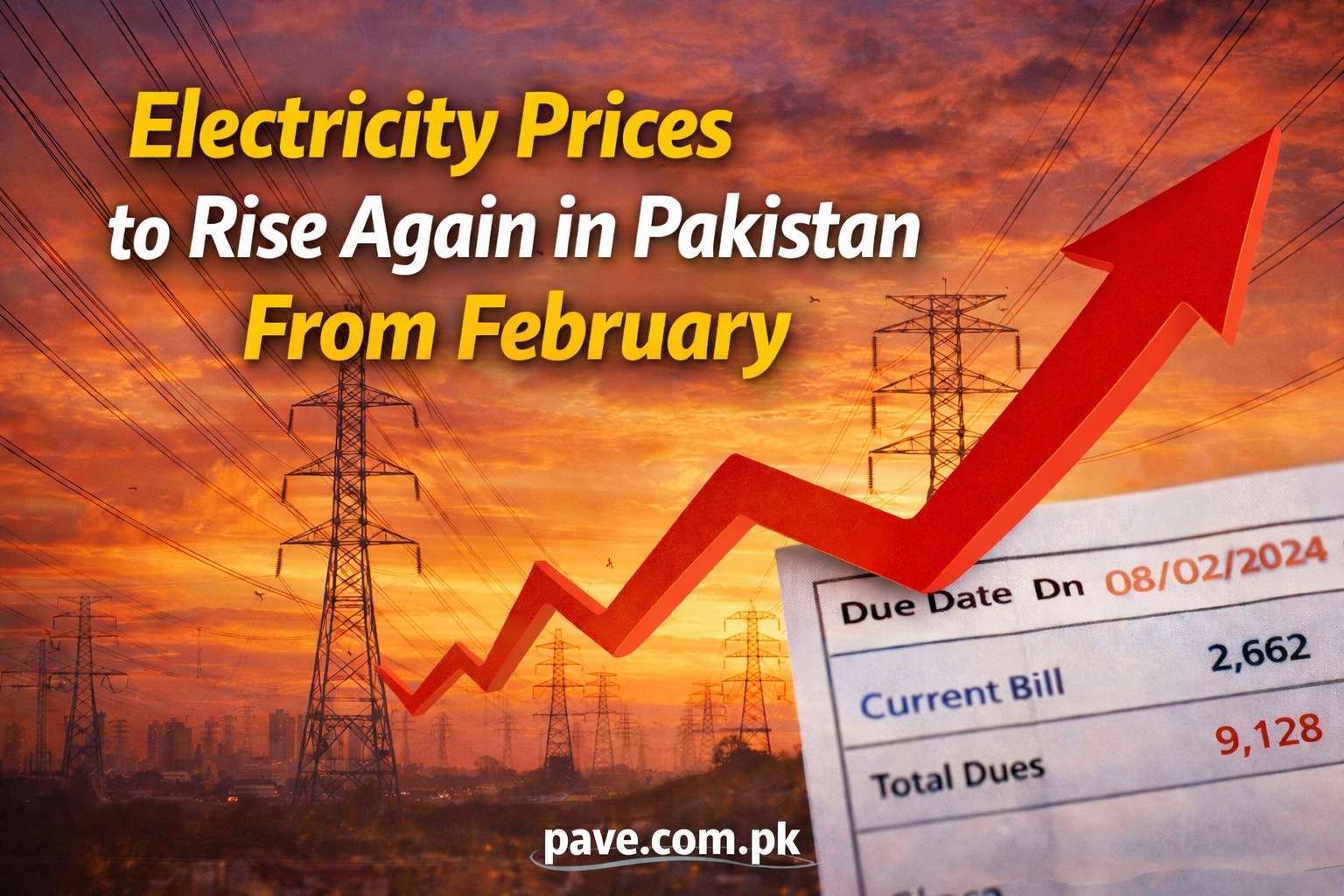
Electricity consumers across Pakistan are bracing for another increase in power tariffs, as reports indicate that electricity prices are expected to go up again from February. The possible hike has raised concerns among households, businesses, and industrial users who are already struggling with high utility bills and rising inflation.
Searches like electricity prices increase in Pakistan, power tariff hike February, electricity bill increase Pakistan, and NEPRA electricity price update are trending on Google as people try to understand what is coming next.
This article explains why electricity prices are likely to rise, who will be affected, how the increase works, and what consumers can expect, all in simple and easy English.
Electricity Prices in Pakistan: What Is Happening?
Pakistan’s power sector continues to face financial pressure due to:
- High fuel costs
- Circular debt
- Capacity payments to power producers
- Currency depreciation
As a result, authorities are preparing adjustments that could lead to higher electricity tariffs from February.
The expected increase is part of ongoing reforms in the energy sector.

Who Decides Electricity Prices in Pakistan?
Electricity tariffs are regulated by National Electric Power Regulatory Authority (NEPRA).
NEPRA:
- Reviews power generation costs
- Approves tariff adjustments
- Notifies price changes after hearings
However, final implementation is carried out by the federal government.

Why Electricity Prices Are Expected to Increase Again
Several factors are contributing to the expected rise.
Rising Fuel Costs
Pakistan relies heavily on:
- Imported fuel
- LNG
- Furnace oil
Any increase in global fuel prices directly impacts electricity generation costs.
Circular Debt Pressure
The power sector’s circular debt continues to grow, putting pressure on the system.
Higher tariffs are often used to:
- Recover losses
- Reduce unpaid bills
- Keep power producers operational
Capacity Payments to IPPs
Pakistan must pay capacity charges to Independent Power Producers (IPPs) even when electricity demand is low.
These fixed payments:
- Increase overall costs
- Are passed on to consumers
IMF-Linked Reforms
Energy sector reforms are part of agreements with international lenders.
These reforms include:
- Reducing subsidies
- Passing actual costs to consumers
- Adjusting tariffs regularly
This makes periodic price increases more likely.
Expected Impact From February
If approved, the new electricity price increase from February may affect:
- Domestic consumers
- Commercial users
- Small businesses
- Industrial units
The exact impact will depend on unit consumption slabs and consumer category.

Domestic Consumers: Who Will Feel It Most?
Low-Usage Households
Even small increases can be painful for:
- Low-income families
- Fixed-income households
Electricity bills already take a large portion of monthly income.
High-Usage Consumers
Homes with:
- Air conditioners
- Electric heaters
- Multiple appliances
will see a bigger jump in monthly bills.
Impact on Businesses and Industry
Small Businesses
Shops, workshops, and service providers may:
- Pass increased costs to customers
- Reduce operating hours
This can push prices of everyday goods higher.
Industrial Sector
Industries already facing high energy costs may:
- Cut production
- Delay expansion
- Increase product prices
Electricity costs directly affect competitiveness.
Electricity Prices and Inflation
Electricity price hikes often lead to overall inflation.
Why?
- Power is used in manufacturing
- Transport costs rise
- Food and essentials become more expensive
This creates a chain reaction across the economy.
How Electricity Price Increases Are Applied
Electricity bills can increase through:
Base Tariff Increase
A permanent rise in per-unit electricity price.
Fuel Adjustment Charges (FAC)
Monthly adjustments based on fuel cost changes.
Quarterly Adjustments
Revisions to recover distribution and generation costs.
Consumers often see multiple charges added to bills.
Government’s Position on Power Tariff Hikes
The government argues that:
- Tariff adjustments are unavoidable
- Reforms are needed to stabilize the power sector
- Subsidies cannot continue indefinitely
Officials say efforts are being made to protect vulnerable consumers, but challenges remain.
Public Reaction to Expected Electricity Price Hike
Public sentiment remains largely negative.
Common Concerns
- Rising cost of living
- Unaffordable utility bills
- Lack of relief measures
Social media discussions show growing frustration among consumers.
Any Relief for Consumers?
Some relief measures may include:
- Targeted subsidies for low-income users
- Lifeline tariffs for minimal consumption
- Installment options for bills
However, middle-income consumers often receive limited relief.
What Consumers Can Do to Reduce Impact
While price hikes may be unavoidable, consumers can try to reduce usage.
Energy-Saving Tips
- Use energy-efficient appliances
- Switch off unused devices
- Reduce peak-hour consumption
- Use LED lighting
Small changes can lower monthly bills.
Why Electricity Price Hikes Keep Happening
Experts say the root causes include:
- Inefficient power generation
- Line losses and theft
- Poor bill recovery
- Dependence on imported fuel
Without structural reforms, tariff hikes are likely to continue.
Comparison With Previous Electricity Price Increases
Over the past few years:
- Electricity prices have increased multiple times
- Fuel adjustments became more frequent
- Bills became more complex
Consumers now face one of the highest power costs in the region.
Why This News Is Trending on Google
Search interest increased because:
- February increase is expected
- Bills are already high
- Households are planning monthly budgets
Popular searches include:
- Electricity prices increase Pakistan February
- Power tariff hike Pakistan
- NEPRA electricity price update
- Electricity bill increase news
Long-Term Outlook for Electricity Prices
Experts believe:
- Short-term relief is unlikely
- Structural reforms are essential
- Renewable energy investment is key
Until then, consumers may continue facing periodic increases.
Final Thoughts
The news that electricity prices are expected to go up again in Pakistan from February adds to the financial stress faced by households and businesses. While authorities cite economic realities and sector reforms, the burden on consumers remains heavy.
Meaningful relief will require long-term reforms, better governance, and a shift toward affordable energy sources. Until then, consumers are advised to stay informed and manage energy usage carefully.
FAQs – Electricity Prices in Pakistan
Why are electricity prices increasing again?
Due to high fuel costs, circular debt, capacity payments, and energy sector reforms.
When is the expected electricity price increase?
The increase is expected to take effect from February, subject to approval.
Who will be affected the most?
Domestic high-usage consumers, small businesses, and industries.
Does NEPRA decide electricity prices?
Yes, NEPRA reviews and approves tariffs, while the government implements them.
Is any relief expected for consumers?
Some relief may be provided to low-income users, but most consumers will feel the impact.