
Breaking: Meat Prices Rise Again Amid Inflation
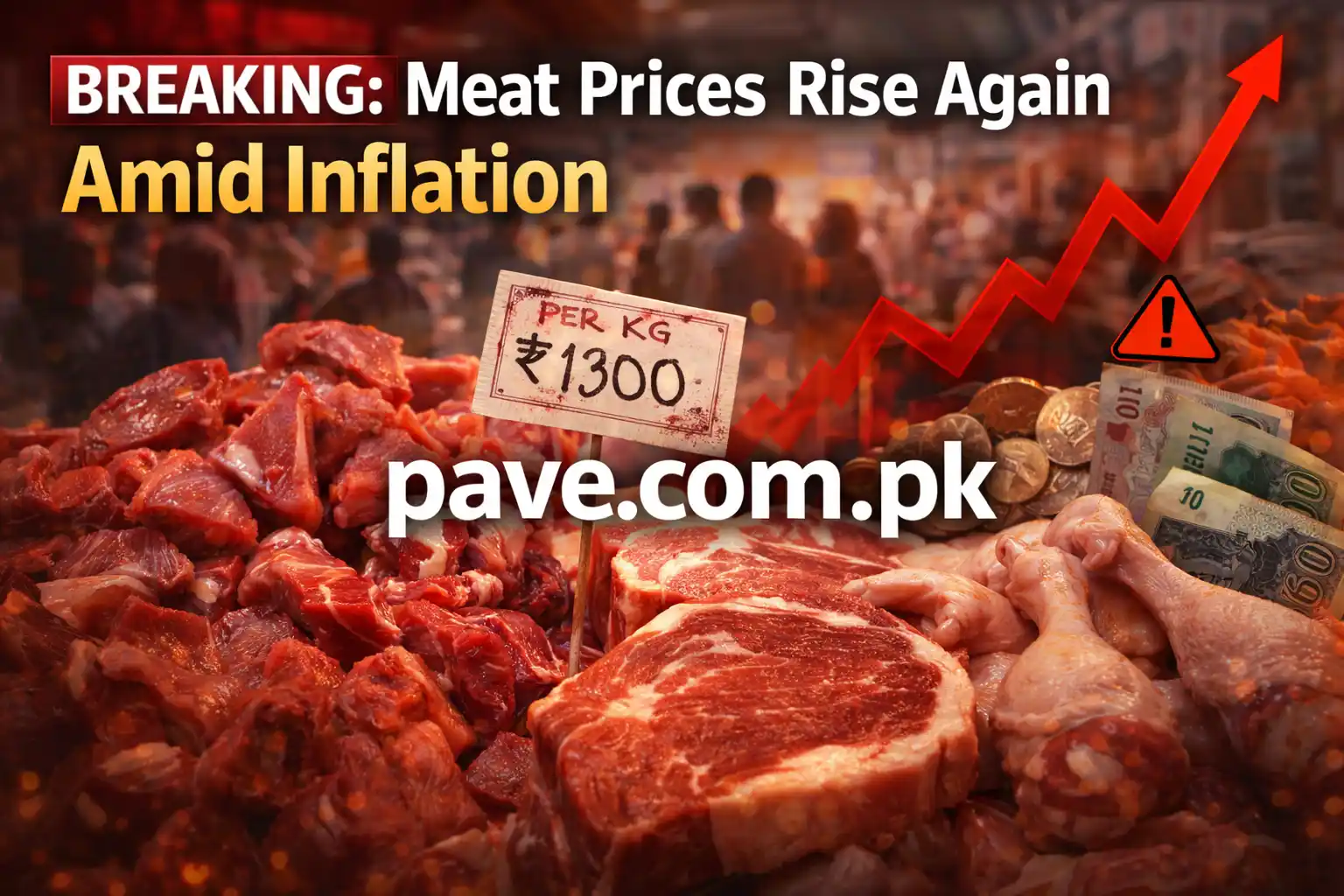
As Pakistan moves closer to Ramadan 2026, a quiet but serious food affordability crisis is unfolding across the country. Despite official claims that headline inflation has eased to around 5.6 percent, the situation on the ground tells a very different story. In meat markets from Karachi to Lahore and Islamabad, consumers are facing prices that are rapidly drifting out of reach.
What is emerging is not just routine pre-Ramadan inflation but a widening gap between government-notified rates and real-world retail prices. For millions of households, especially daily wage earners and fixed-income families, protein is becoming the first casualty of rising living costs.
The Reality Check: Official Rates vs. Market Prices
District administrations continue to issue official price lists, but enforcement remains weak. Vendors openly admit that the notified rates no longer reflect their operating costs, resulting in a parallel pricing system that dominates open markets.
Mutton has become the most striking example. While official rates hover between Rs. 1,800 and Rs. 2,000 per kg, consumers are routinely paying Rs. 2,400 to Rs. 2,800, with some premium cuts going even higher. Beef with bone, officially priced around Rs. 800 to Rs. 900, is selling for as much as Rs. 1,400 per kg in urban centers. Boneless beef has entered luxury territory, crossing Rs. 1,800 per kg in several neighborhoods.
Chicken, traditionally the fallback protein when red meat becomes unaffordable, has also turned volatile. Prices fluctuate daily, ranging from Rs. 650 to Rs. 750 per kg, making household budgeting unpredictable.

Why Meat Prices Are Skyrocketing
Several interconnected factors are driving this surge, and most of them are structural rather than temporary.
Fuel and Transport Costs
Recent increases in petrol and diesel prices, roughly Rs. 4 per liter, have had a cascading effect on the meat supply chain. Livestock is transported from rural production hubs to urban slaughterhouses, a process heavily dependent on fuel. Higher transport costs are immediately reflected in wholesale rates, which are then passed on to consumers without delay.
The Ramadan Pre-Emptive Effect
Every year, meat prices begin to rise weeks before Ramadan, and 2026 is no exception. Traders often increase prices early to normalize higher rates before peak demand arrives. Once consumers psychologically accept elevated prices, it becomes easier to sustain them throughout the holy month.
This pre-emptive pricing strategy is especially visible in mutton, which sees a sharp demand increase during Ramadan due to traditional dishes and communal meals.
Supply Chain Disruptions
Flood-related disruptions in parts of Punjab, Pakistan’s primary livestock and fodder-producing region, have reduced the availability of healthy animals. At the same time, trade frictions along the Afghanistan border have tightened the supply of animal feed such as maize and soy.
Higher feed costs mean farmers demand better prices for their livestock, pushing up rates at every stage of the supply chain.
Energy Costs and Cold Storage
High electricity tariffs are no longer just an industrial issue. Butchers, slaughterhouses, and cold storage operators now face monthly power bills that are significantly higher than in previous years. These costs are quietly embedded into meat prices, adding another layer of inflation that consumers rarely notice directly.

The Poultry Panic: No Longer the Cheap Option
Chicken was once considered Pakistan’s most affordable source of animal protein. That status is rapidly eroding. In several cities, chicken meat has seen a Rs. 100 or more per kg increase in just one month.
Egg prices have followed the same trajectory, reaching Rs. 350 to Rs. 370 per dozen. For low-income families, even basic breakfasts have become more expensive, eroding nutritional intake long before Ramadan begins.
The poultry sector is facing its own challenges, including higher feed prices, disease management costs, and energy expenses, all of which are being transferred directly to consumers.

Ramadan 2026 Outlook: What Lies Ahead
With Ramadan expected to begin in early March 2026, market analysts warn that the worst may still be ahead. If current trends continue without strict administrative intervention, mutton prices could touch Rs. 3,000 per kg within the first week of Ramadan.
Historically, price controls weaken during periods of high demand, and enforcement teams struggle to maintain consistency across thousands of retail outlets. Unless local governments implement sustained monitoring rather than symbolic raids, price volatility is likely to intensify.

The Household Impact
The real impact of rising meat prices is being felt at the kitchen level. Many families are already cutting portion sizes, reducing the frequency of meat consumption, or removing red meat entirely from weekly menus. Nutrition experts warn that prolonged protein reduction can have long-term health consequences, especially for children and the elderly.
Middle-income households, often overlooked in subsidy programs, are also feeling the squeeze as food expenses take up a growing share of monthly income.
Consumer Adaptation: Shifting Diets
In response, households are turning toward alternatives. Pulses, lentils, and seasonal vegetables are increasingly replacing meat in daily meals. Fish, where locally available, is also emerging as a temporary substitute, though prices vary widely by region.
However, even pulses have seen a mild uptick in prices, suggesting that substitution alone may not fully protect household budgets in the coming weeks.
Bottom Line
The surge in meat prices ahead of Ramadan 2026 is not just a seasonal spike. It reflects deeper issues within Pakistan’s food supply chain, from fuel and energy costs to weak price enforcement and climate-related disruptions. While official inflation figures suggest stability, the lived experience of consumers tells a different story.