
Doctors Save Woman’s Eye and Brain in Rare Surgery at Nishtar Hospital – Full Detailed Story
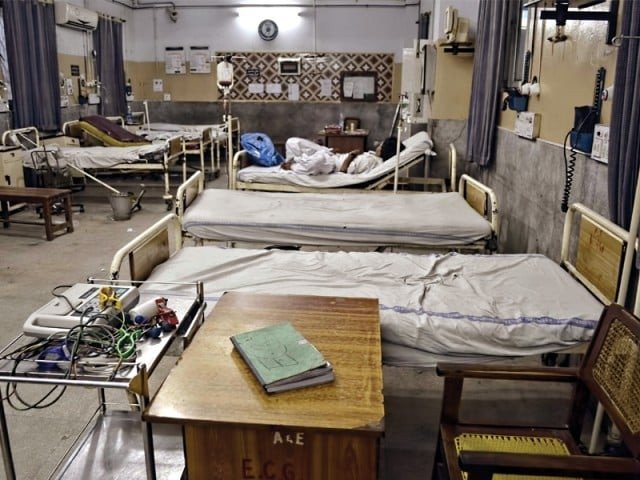
A remarkable medical achievement took place at Nishtar Hospital Multan, where a team of expert neurosurgeons successfully saved both the eye and brain of a woman after a life-threatening accident. The rare operation involved removing a metal screw that had travelled dangerously close to the patient’s brain, putting her life and vision at severe risk.
This article provides a complete 1500-word detailed overview of the case, the surgical procedure, the doctors involved, challenges faced by the medical team, patient recovery, and why this operation is being praised as a major success in Pakistan’s neurosurgical field.
What Happened to the Patient Salma? – Accident and Emergency Condition
The patient, Salma, a resident of Khan Garh, suffered a serious injury during a traffic accident. A sharp metal screw got lodged near her left eye, entering the orbital cavity and travelling towards her skull.
Doctors noted that:
- The metal object was extremely close to her optic nerve
- Her vision was at risk
- The screw was moving toward the brain, which could cause internal bleeding, infection, paralysis, or even death
- Any sudden movement could cause permanent blindness
Salma was rushed to Nishtar Hospital, one of southern Punjab’s leading trauma and neurosurgery facilities.

Emergency Arrival at Nishtar Hospital Multan
When the patient arrived at the emergency department, doctors immediately realized the seriousness of the case.
The following emergency steps were taken:
- Immediate CT scan to locate the exact position of the metal screw
- Monitoring of intracranial pressure
- Vision test to check whether the optic nerve was already damaged
- Rapid preparation of the operation theatre
Within minutes, the neurosurgery team was alerted, and an emergency meeting was held to plan the surgery.

The Rare and Complex Surgery – A Medical Challenge
The surgery was performed in Ward 14 of Nishtar Hospital. Removing a metal screw from such a sensitive region was extremely risky. One wrong movement could damage:
- The optic nerve
- The carotid artery
- Brain tissues
- Eye muscles controlling movement
The operation lasted two hours, requiring advanced neurosurgical skills and precision.

Surgical Team Behind the Successful Operation
The high-risk procedure was led by:
Lead Surgeon:
- Associate Professor Dr. Liaqat Ali Jalal
Supporting Surgeons:
- Senior Registrar Dr. Ahmad Shah
- Senior Registrar Dr. Syed Muhammad Ahmad
- Resident Surgeon Dr. Kashif
- Dr. Ahmad Farooq
Each surgeon played a critical role in planning and executing this delicate operation. Their teamwork and precision turned a nearly impossible case into a life-saving victory.

How the Screw Was Removed Safely – Step-by-Step Explanation
To help general readers understand, here is a simple explanation of how the surgeons worked:
1. Stabilizing the Patient
The doctors ensured Salma’s breathing, blood pressure, and pain levels were stable.
2. Detailed Scans and Planning
High-resolution CT and MRI scans revealed the angle and depth of penetration.
Surgeons studied:
- Screw length
- Position inside orbital cavity
- Relation to optic nerve
- Possible brain penetration
- Internal bleeding risks
3. Microsurgery Technique
Surgeons used microscopic instruments and fine surgical tools to avoid damaging any vital structures.
4. Removing the Screw
The screw was slowly pulled out using a controlled, step-by-step reverse movement.
5. Bleeding Control
Doctors sealed tiny blood vessels damaged by the screw.
6. Protecting the Eye and Brain
Tissues around the eye and skull were carefully repaired.
No damage was found in the optic nerve — a major success factor.
Why This Surgery Was Rare and Extraordinary
Such cases are extremely rare because:
- Most orbital injuries cause blindness immediately
- Metal objects lodged near the brain often lead to fatal bleeding
- Orbital-brain penetration surgeries require highly specialized neurosurgeons
Saving both the brain and the eye makes this surgery exceptional in Pakistan’s medical history.
Patient’s Recovery After Surgery
After the operation:
- Salma regained full vision
- No neurological damage was reported
- Her brain scans showed normal activity
- She responded well to medication and wound care
- Doctors expect a complete long-term recovery
Her family expressed deep gratitude to the Nishtar Hospital team for saving her life.
Importance of Nishtar Hospital in Trauma and Neurosurgery
Nishtar Hospital is one of the largest and most advanced medical institutions in South Punjab. It is well-equipped with:
- 24/7 emergency care
- Advanced diagnostic imaging
- Skilled neurosurgery teams
- Trauma management units
- ICU facilities
This successful case once again highlights the hospital’s growing capability to handle complicated neurosurgical emergencies.
Why Quick Medical Attention Is Important in Such Cases
When an object penetrates the eye or skull:
- Infection can spread rapidly
- Bleeding inside the brain can cause stroke
- Vision can be permanently lost
- Pressure on the nerve can cause paralysis
Fast treatment increases survival chances and prevents long-term disability.
Public Reaction to the Surgery
The news of the successful operation spread quickly on social media and medical forums. People appreciated the efforts of the doctors, calling it a “medical miracle” and a “moment of pride” for the region.
Many praised Nishtar Hospital for:
- Efficient emergency response
- Skilled neurosurgeons
- Saving the patient’s life and vision
- Handling a global-level rare case successfully
Role of Neurosurgeons in Saving Lives
Neurosurgeons deal with the brain, spinal cord, and nerves. Their work requires:
- Extreme precision
- Years of training
- Ability to handle pressure
- Advanced surgical skills
In Salma’s case, the team’s expertise ensured:
- The eye was saved
- The brain was protected
- The screw was removed safely
- No permanent damage occurred
What This Case Means for Pakistan’s Medical Sector
This surgery highlights several important facts:
- Pakistan has highly skilled neurosurgeons
- Emergency care capability is improving
- Provincial hospitals are capable of handling rare cases
- Modern medical equipment is making complex surgeries possible
Such success stories help build trust in public health institutions.
Safety Tips to Prevent Such Injuries
Here are basic safety tips to avoid severe eye and head injuries:
- Always wear a helmet when riding a motorcycle
- Use seatbelts in cars
- Keep distance from sharp objects
- Avoid overloading motorcycles with metal goods
- Drive carefully on high-risk roads
Frequently Asked Questions (FAQs)
1. How rare is orbital brain-penetrating injury?
Extremely rare. Less than 1% of eye trauma cases worldwide involve an object travelling into the brain.
2. Can a person lose eyesight immediately in such accidents?
Yes. In most cases, optic nerve damage leads to permanent blindness if not treated quickly.
3. Do all hospitals in Pakistan handle this type of surgery?
No. Only advanced hospitals with skilled neurosurgeons, like Nishtar Hospital, can manage such complicated cases.
4. How long does recovery take after such a surgery?
Most patients recover within weeks, but complete healing may take a few months.
5. What are the biggest risks during surgery?
Risks include internal bleeding, nerve damage, infection, and brain injury — but expert surgical planning reduces these risks.