
Don’t Book Your Tickets If You Don’t Have These Documents From 1st February 2026
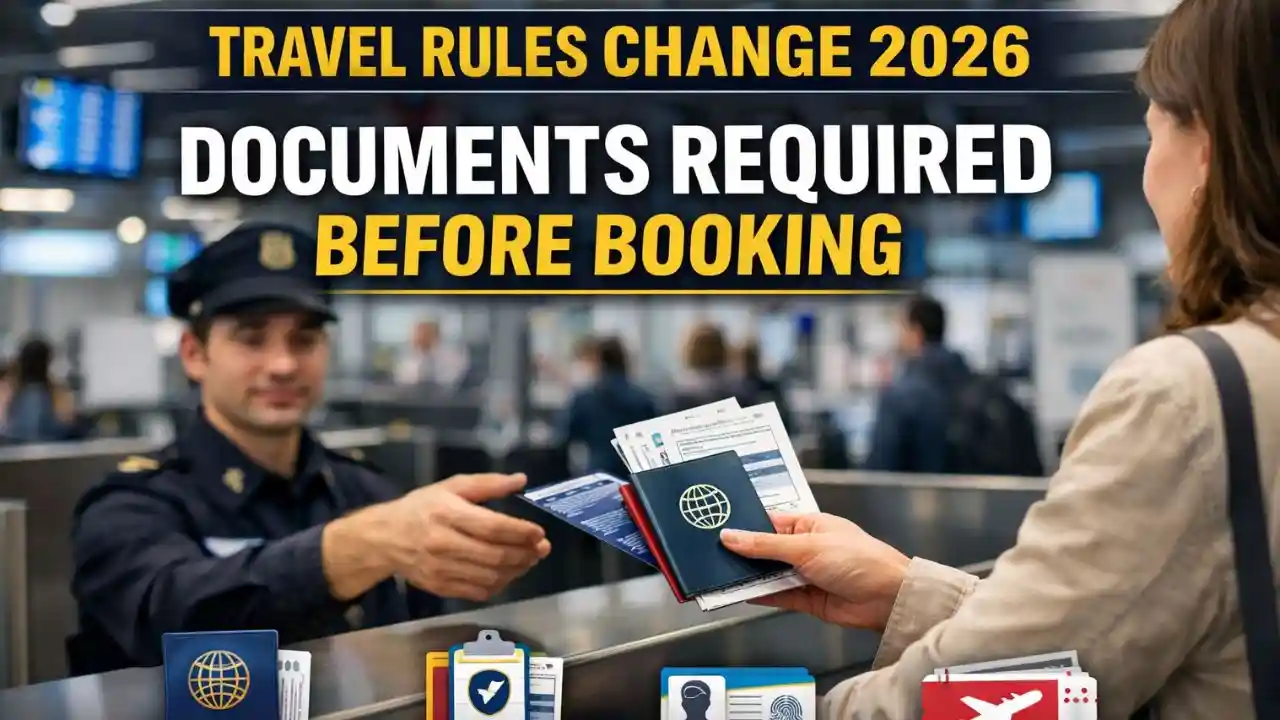
Don’t Book Your Tickets If You Don’t Have These Documents From 1st February 2026, travelers will face stricter documentation checks at airports worldwide. Governments and aviation authorities are tightening rules to improve security, manage migration systems, and digitize travel verification.
If you are planning to travel for tourism, work, study, or even transit through another country, booking tickets without the required documents could result in denied boarding, financial loss, or legal trouble.
Why Travel Rules Are Changing in 2026
Over the past decade, global travel has grown rapidly, but so have concerns related to identity fraud, illegal overstays, undocumented work, and security risks. Authorities are now focusing on pre-departure verification, meaning airlines are increasingly responsible for checking documents before allowing passengers to board.
From February 2026 onward, many countries will enforce “no document, no travel” policies more strictly. Airlines may refuse boarding even if you have a valid ticket but lack complete documentation.

Mandatory Documents You Must Have Before Booking Tickets
1. Valid Passport With Updated Expiry Rules
Your passport is no longer just required to be valid on the date of travel.
New standard rules include:
- Passport must be valid for at least 6 months beyond your return date
- Passport must have 2 to 4 blank pages
- Damaged or handwritten passports may be rejected
- Machine-readable passports preferred or mandatory in many regions
Booking tickets with a passport close to expiry can now lead to automatic airline cancellation.
2. Approved Visa or Digital Travel Authorization
From 1st February 2026, many countries are expanding electronic visa systems and digital travel authorizations.
Depending on your destination, you may need:
- Traditional visa (tourist, work, student)
- e-Visa approval confirmation
- Electronic Travel Authorization (ETA)
- Pre-screened online travel permit
Some travelers mistakenly believe visa-free travel means no documents are needed. In reality, visa-free does not mean document-free.
3. Proof of Purpose of Travel
Airlines and immigration officers increasingly demand clarity on why you are traveling.
Accepted documents may include:
- Hotel booking confirmation
- Invitation letter from host
- Employment contract or offer letter
- University admission letter
- Conference or event registration
Lack of clear purpose is now a common reason for denied boarding.
4. Proof of Financial Capability
Travelers must prove they can financially support themselves during their stay.
Commonly accepted proof includes:
- Recent bank statements
- Credit card statements
- Employer sponsorship letter
- Travel allowance letter
From 2026, airlines may verify this information before departure, not just at immigration counters.
5. Confirmed Return or Onward Ticket
One-way tickets without legal residency or work permits are becoming a major red flag.
You may be required to show:
- Return flight ticket
- Onward ticket to another country
- Proof of long-term visa or residence permit
Booking a one-way ticket without these documents could result in immediate refusal to board.
6. Travel Insurance (Now Mandatory for Many Destinations)
Travel insurance is no longer optional for many travelers.
Policies must often include:
- Medical coverage
- Emergency hospitalization
- Repatriation
- Minimum coverage amount set by destination country
From February 2026, airlines may digitally verify insurance policies during check-in.
7. Digital Identity and Biometric Verification
Many airports are introducing biometric travel systems, including facial recognition and digital identity verification.
You may need:
- Pre-registered biometric profile
- Government-approved digital ID
- Travel app verification QR code
Failure to complete biometric enrollment can cause delays or boarding denial.
8. Health and Vaccination Documentation
While pandemic-era rules have eased, health documentation has not disappeared.
Depending on destination, you may need:
- Vaccination certificates
- Digital health declaration
- Medical fitness certificate
- Health insurance compliance proof
These requirements can change quickly, so travelers must stay updated.

Why You Should NOT Book Tickets Without These Documents
Booking flights without proper documentation is risky because:
- Airline tickets may be non-refundable
- Airlines face fines for transporting undocumented passengers
- You may be denied boarding even at the gate
- Immigration refusal can affect future visa applications
- Travel insurance may become invalid
From 2026, responsibility is shifting to the traveler, not the airline.

Who Is Most Affected by These Rules
These changes affect:
- International tourists
- Students traveling abroad
- Job seekers and workers
- Transit passengers
- First-time travelers
- Passport holders from developing countries
Even experienced travelers are being caught off-guard by the new checks.

How to Prepare Before Booking Any Ticket
To avoid problems:
- Renew your passport early
- Secure visa or digital authorization first
- Arrange accommodation or invitation letters
- Prepare financial documents
- Buy compliant travel insurance
- Confirm return or onward travel
- Register for biometric systems if required
Only book tickets after completing this checklist.
Frequently Asked Questions (FAQs)
Q1: Can I book a flight before getting a visa?
It is strongly discouraged. Many airlines now require visa approval before ticket issuance or boarding.
Q2: Are these rules the same for all countries?
No. Requirements vary by destination, nationality, and travel purpose, but overall checks are becoming stricter worldwide.
Q3: What happens if my documents are incomplete at the airport?
You may be denied boarding, lose your ticket money, and face travel restrictions in the future.
Q4: Are domestic flights affected by these rules?
Some domestic flights may require enhanced ID verification, but international routes face the strictest changes.
Q5: Is travel insurance really mandatory now?
For many destinations, yes. Lack of valid insurance can stop you from boarding.
Q6: Will airlines check bank statements?
In some cases, yes—especially for international travel to high-risk destinations.
Final Thoughts
From 1st February 2026, booking flight tickets without proper documentation is no longer just risky—it can completely block your travel plans. The era of “book first, arrange later” is ending.
Smart travelers will prepare documents first and book tickets second. This approach saves money, time, and stress—and ensures smooth travel in an increasingly regulated global system.