Electricity and Gas Costs to Rise Soon as Govt Implements IMF’s Structural Reforms
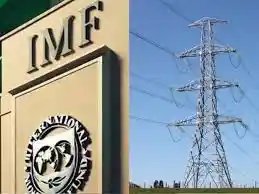
Electricity and gas prices in Pakistan are expected to rise as the government continues to meet its commitments under the International Monetary Fund (IMF) programme. The IMF’s latest review highlights significant progress made by Pakistan, but also points out delays in key reforms and revenue measures. As a result, more tariff adjustments are likely in the coming months.
The rising Electricity and gas prices have become a major concern for households, industries, and traders. Many people are searching online for information such as “electricity gas prices rise,” “IMF conditions Pakistan,” “Pakistan tariff increase,” “IMF electricity price hike,” and “gas price increase in Pakistan”. This article explains the reasons behind the price hike, Pakistan’s progress under the IMF programme, and what it means for consumers.
Pakistan Meets Most IMF Targets, but Challenges Remain
According to the IMF review, Pakistan completed most of its targets under the second debt review. These included introducing taxes on agricultural income, implementing major budget changes, and completing eight out of thirteen structural reforms on time. This progress boosted investor confidence and strengthened the government’s policy direction.

However, the IMF also highlighted several areas where progress was slow. Important governance and corruption reports were released late. The Federal Board of Revenue (FBR) also missed its net tax collection target, increasing pressure on future fiscal plans.
Despite these gaps, the IMF noted that Pakistan’s overall economic management showed improvement compared to previous years. However, Pakistan must continue working on areas where delays occurred.
Delayed Reforms Increase Pressure on Fiscal Planning
While the government made progress, some measures remain incomplete. These include:
- Delayed governance reforms
- Late corruption diagnostics
- Missed net tax collection targets
- Failure to impose excise duty on fertilisers and pesticides
- Delays in phasing out special economic zones (SEZs)
- Tax exemptions on sugar imports remaining unchanged
Additionally, spending under the Benazir Income Support Programme (BISP) was slightly below the target, although social spending on essential sectors increased.
These delays signal structural challenges in Pakistan’s tax reforms and revenue system. The IMF stressed that Pakistan must maintain continuity to avoid future fiscal instability.
Electricity and Gas Prices Likely to Rise Further
One of the biggest concerns for the public is the increase in electricity and gas prices. Tariffs have already gone up under IMF conditions. The IMF expects further adjustments to fix long-standing power sector issues.
The government has committed to:
- Reviewing quarterly tariff adjustments (QTA)
- Reducing circular debt
- Improving recovery from consumers
- Cutting line losses
- Ensuring timely fuel payments
As tariff revisions continue, households and businesses will face higher bills. This has raised major concerns among the public, particularly those searching online for “electricity bill increase Pakistan,” “gas price increase next month,” and “IMF Pakistan electricity gas tariff.”
The IMF argues that higher tariffs are necessary to stabilise the power sector. However, consumers fear that rising prices will make life more difficult, especially during inflationary periods.
Economic Indicators Show Improvement Despite Challenges
Although electricity and gas prices rise under IMF reforms, Pakistan’s economic indicators show some positive trends. The IMF praised Pakistan for improving its fiscal discipline and macroeconomic management.
Key improvements include:
- Foreign exchange reserves rising from $9.4 billion to $14.5 billion
- First current account surplus in 14 years
- Primary budget surplus reaching 1.3%
- Stable inflation after flood-driven temporary spikes
- Stronger policy management at the State Bank of Pakistan (SBP)
- Increased market confidence
Due to this progress, Pakistan received $1.2 billion under the IMF’s EFF and RSF programmes. These funds support economic reforms, water management, and climate resilience.
Floods Slowed Momentum but Impact Now Subsiding
The IMF report mentioned that floods had temporarily raised inflation and slowed economic activities. Although food prices increased, the IMF expects the pressure to reduce gradually.
Economic growth is expected to continue but may slow slightly next year due to flood-related losses. However, structural reforms and improved policy discipline will help strengthen long-term stability.
Tariff Adjustments Affect Businesses and Consumers
Rising electricity and gas prices not only affect households but also businesses. Industries now face:
- Higher production costs
- Increased operating expenses
- Reduced profit margins
- Potential rise in consumer product prices
Small and medium-sized businesses (SMEs) are particularly vulnerable. Many business owners are already searching for terms like “electricity tariff impact on business,” “gas price hike Pakistan industries,” and “IMF effect on business sector Pakistan.”
The IMF insists that Pakistan must continue adjusting tariffs to address deep-rooted inefficiencies in the power and gas sectors. Without these reforms, energy companies will continue operating at losses, further increasing circular debt.
IMF Calls for Policy Stability and Structural Reforms
The IMF emphasised that Pakistan must:
- Maintain strict monetary policy to control inflation
- Allow exchange rate flexibility
- Continue energy sector reforms
- Improve governance and transparency
- Strengthen public institutions
- Encourage investment-friendly policies
The IMF also highlighted the importance of water management, climate resilience, and production-led economic growth. These reforms are essential to protect the economy from future shocks.
Why Electricity and Gas Prices Are Rising
Here are the main reasons why electricity and gas prices rise under the IMF programme:
- High circular debt
- Costly power generation
- Delayed tariff adjustments in the past
- Line losses and electricity theft
- Inefficient power plants
- Expensive imported fuel
- IMF requirement for cost-reflective tariffs
- Weak financial health of energy companies
Unless these issues are addressed, tariffs will continue to increase.
Impact on Everyday Life
For ordinary citizens, rising electricity and gas prices mean:
- Higher monthly bills
- Increased cost of living
- More financial pressure on low-income households
- Rising prices of essential goods
- Higher transportation and business costs
This makes it crucial for the government to offer relief packages, subsidies, or targeted support.
Conclusion
Electricity and gas prices in Pakistan are expected to continue rising as the government fulfills its commitments to the IMF. While Pakistan has made progress in meeting major IMF targets, delays in key areas such as tax reforms and governance continue to create challenges. The IMF warns that structural reforms, strict monetary policies, and tariff adjustments are necessary to stabilise the economy.
Although rising energy prices will increase financial pressure on citizens and businesses, the broader economic indicators show improvement. Pakistan must continue its reform path to secure long-term stability and avoid future crises.
Frequently Asked Questions (FAQs)
1. Why are electricity and gas prices increasing in Pakistan?
The prices are rising because the government has agreed to meet the IMF’s conditions, which include removing subsidies and increasing tariffs to reduce financial losses in the energy sector.
2. What does the IMF have to do with Pakistan’s energy prices?
IMF programs require Pakistan to follow economic reforms. One key reform is increasing electricity and gas prices so that the government can collect enough revenue and reduce circular debt.
3. When will the new electricity and gas prices be applied?
The revised tariffs are expected to be implemented soon after the government officially notifies the increase. This usually happens after IMF review meetings.
4. How much will electricity and gas prices increase?
The exact increase depends on the tariff slabs. However, reports suggest that both electricity and gas prices will go up significantly to meet IMF revenue targets.
5. Will this price hike affect all consumers?
Yes, but the impact will vary. Domestic, commercial, and industrial users will all face higher bills, though low-income groups may get limited relief.