
Faisalabad Introduces Designated Street Vendor Zones After 30 Years
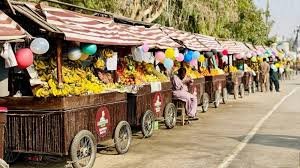
A Major Step Toward Organized Urban Management in Punjab
After more than three decades of delays, Faisalabad, one of Punjab’s largest and busiest cities, has finally taken a historic step by officially introducing designated street vendor zones. This long-awaited move by the Metropolitan Corporation Faisalabad (MCF) aims to regulate street vending, reduce traffic congestion, and provide legal and safe earning opportunities for low-income vendors.
The decision marks the first practical implementation of urban planning recommendations that were originally proposed back in 1992 and 1997, but remained ignored for years.
Background: A 30-Year-Old Plan Finally Comes to Life
The idea of organized street vendor zones in Faisalabad is not new. According to former Faisalabad Development Authority (FDA) town planner Anwar Moeenuddin, the concept was first introduced in the 1992 Faisalabad Master Plan, prepared under then Commissioner Tasneem Noorani.
Later, the 1997 Traffic Management Plan also emphasized the need for:
- Exclusive street vendor areas
- Street bazaars away from main roads
- Proper traffic flow management
Despite these recommendations, no serious action was taken for over 30 years, mainly due to:
- Lack of funds
- Weak administrative interest
- Poor urban governance
As a result, street vendors continued to operate illegally on roads and footpaths, causing traffic jams, encroachments, and frequent clashes with authorities.

Why Street Vendor Zones Were Necessary
Growing Number of Vendors
Traffic surveys conducted in the 1990s identified more than 700 cart vendors operating across Faisalabad. Over time, this number increased significantly due to:
- Rising unemployment
- Rural-to-urban migration
- Inflation and economic pressure
Traffic Congestion and Safety Risks
Unregulated carts on main roads led to:
- Traffic bottlenecks
- Accidents
- Pedestrian inconvenience
Harassment and Legal Issues for Vendors
Without legal recognition, vendors often faced:
- Fines
- Confiscation of carts
- Harassment during anti-encroachment drives
The new policy aims to solve all these long-standing issues in a structured way.

Official Announcement by Metropolitan Corporation Faisalabad
MC Faisalabad Chief Officer Murtaza Malik confirmed that the city administration has now started enforcing the long-pending plan.
Key Announcements by MCF
- All existing cart vendors must submit their old carts
- Vendors will receive newly designed model carts free of cost
- Vendors can work only in approved model cart markets
- After December 15, 2025, carts found on main roads will be confiscated
This clear deadline signals the seriousness of the government in implementing the policy without further delays.

Introduction of Model Carts: A Major Relief for Vendors
One of the most positive aspects of this initiative is the provision of free model carts.
Features of the New Model Carts
- Uniform design
- Improved hygiene standards
- Better mobility and safety
- Professional appearance
These carts are expected to:
- Improve the image of street vending
- Increase customer trust
- Help vendors earn better income
By providing carts at no cost, the government has removed a major financial burden from poor vendors.

Approved Roads and Vendor Zones in Faisalabad
In the first phase, MCF has prepared 220 model carts for registered vendors operating on major roads.
Roads Included in Phase One
- Satyana Road
- Sheikhupura Road
- Jaranwala Road
- Sargodha Road
- Jhang Road
These areas were selected due to:
- High commercial activity
- Large vendor presence
- Severe traffic congestion
Only vendors registered under this program will be allowed to operate in these designated zones.
Distribution Timeline: What Vendors Need to Know
According to officials:
- Cart distribution will begin immediately
- All registered vendors will receive carts by January 2026
- Awareness banners have been installed across the city
These banners inform vendors about:
- Submission of old carts
- Approved vending zones
- Deadline of December 15
This awareness campaign ensures that vendors are not caught unaware during enforcement.
Benefits of Designated Street Vendor Zones
1. Legal Protection for Vendors
For the first time, street vendors will:
- Work legally
- Be protected from harassment
- Have a recognized place in the city economy
2. Reduced Traffic Congestion
Removing carts from main roads will:
- Improve traffic flow
- Reduce travel time
- Lower accident risks
3. Better Urban Planning
Organized vending zones will help:
- Beautify the city
- Improve footpath usage
- Enhance Faisalabad’s urban image
4. Support for Low-Income Families
Street vending is a major source of income for:
- Daily wage workers
- Migrant families
- Unemployed youth
This initiative directly supports their livelihoods in a dignified manner.
Challenges in Implementation
While the policy is promising, experts warn of possible challenges:
Resistance from Vendors
Some vendors may:
- Resist relocation
- Fear loss of customers
Enforcement Consistency
Success depends on:
- Fair enforcement
- No selective action
- Transparent registration
Expansion to Other Areas
Currently, only limited roads are covered. Authorities must:
- Expand zones gradually
- Include more vendors citywide
Addressing these challenges will be key to long-term success.
A Model for Other Punjab Cities?
Urban experts believe Faisalabad’s move can become a model for other major cities, including:
- Lahore
- Rawalpindi
- Multan
- Gujranwala
If implemented successfully, Punjab may finally adopt a province-wide street vending policy, improving urban order while protecting livelihoods.
Public Reaction and Urban Expert Views
Many citizens have welcomed the move, saying:
- Roads will finally be cleared
- City will look more organized
Urban planners call it a “delayed but necessary reform”, stressing that ignoring informal economies only worsens urban chaos.
Conclusion: A Historic but Long-Overdue Reform
The introduction of designated street vendor zones in Faisalabad after 30 years is a landmark decision in Punjab’s urban governance history. By recognizing vendors, providing free model carts, and enforcing organized zones, the government has taken a balanced approach—supporting livelihoods while restoring city order.
If implemented fairly and expanded wisely, this policy can:
- Transform Faisalabad’s streets
- Improve traffic conditions
- Set a positive example for Pakistan’s urban future
Frequently Asked Questions (FAQs)
1. What are designated street vendor zones in Faisalabad?
Designated street vendor zones are officially approved areas where street vendors can legally operate their carts. These zones are created to reduce traffic congestion, improve city organization, and protect the livelihood of vendors in Faisalabad.
2. Why did Faisalabad introduce street vendor zones after 30 years?
The idea was originally proposed in the 1992 Master Plan and 1997 Traffic Management Plan, but it was delayed due to lack of funds and administrative interest. After decades of urban issues, the Metropolitan Corporation Faisalabad has finally implemented the plan to improve traffic flow and urban management.
3. Will street vendors receive new carts under this policy?
Yes, registered street vendors will receive newly designed model carts free of cost. Vendors must submit their old carts to receive the new ones provided by the Metropolitan Corporation Faisalabad.
4. From which date will illegal street carts be removed from roads?
According to city officials, after December 15, 2025, any street cart found operating on main roads outside approved vendor zones will be confiscated by authorities.
5. Which roads are included in the first phase of Faisalabad’s street vendor zones?
In the first phase, vendor zones have been introduced on Satyana Road, Sheikhupura Road, Jaranwala Road, Sargodha Road, and Jhang Road, with distribution of model carts to be completed by January 2026.