Fake Traffic Fines Circulating in Punjab — Safe Cities Authority Requests Cybercrime Investigation
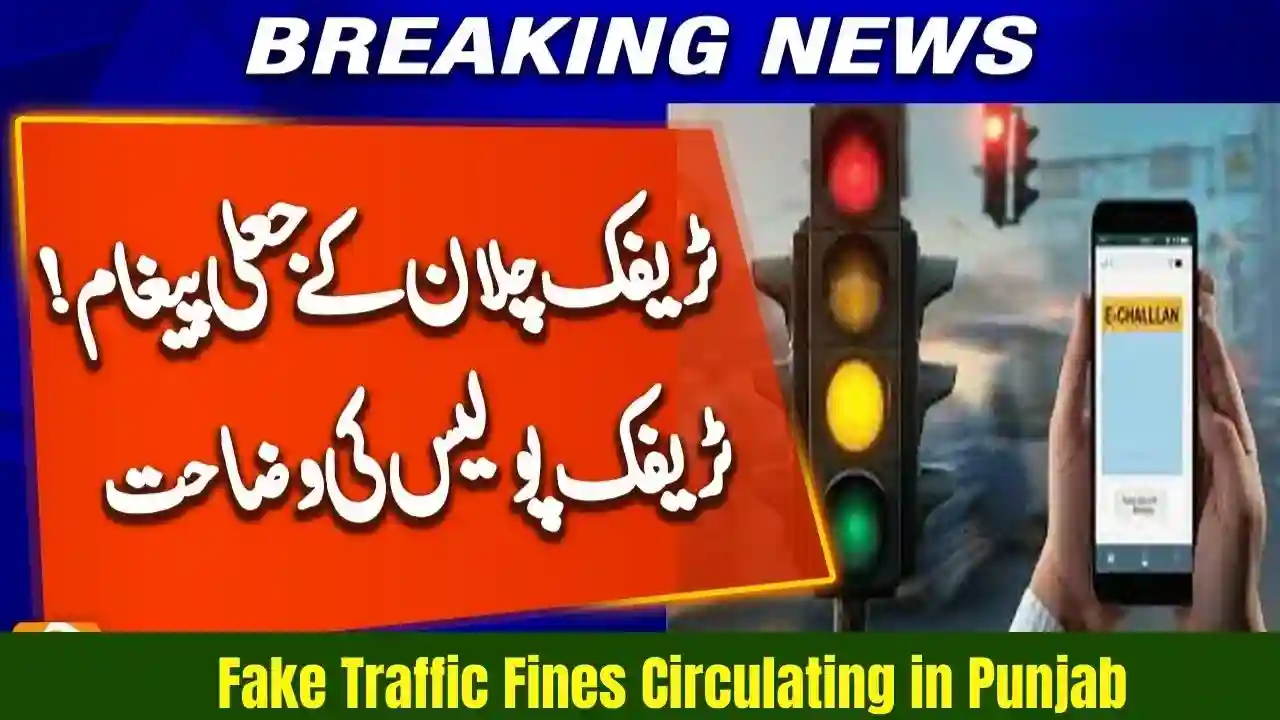
Fake Traffic Fines Circulating in Punjab is witnessing a surge in fake traffic fines, where cybercriminals are sending misleading SMS messages to drivers with fraudulent payment links. These malicious attempts aim to trick citizens into paying bogus challans, compromising not only their money but also personal data.
The Punjab Safe Cities Authority (PSCA) has now requested a formal cybercrime investigation, urging the FIA Cybercrime Wing to trace and punish the scammers behind this growing digital fraud.
What Is Happening? Fake Traffic Fines Targeting Citizens in Punjab
Cybercriminals are circulating fake e-challan SMS messages claiming that the recipient has violated traffic rules. These messages often include:
- Fake challan numbers
- Fraud payment links
- Threats of license suspension
- False deadlines
The problem escalated after several citizens reported that the fake SMS messages mimic the official PSCA format, making them appear authentic.

PSCA Requests Cybercrime Investigation
To stop the spread of fraudulent fines, the Punjab Safe Cities Authority has:
- Formally approached the FIA Cybercrime Wing
- Shared evidence of fake challan SMS patterns
- Submitted samples of fraudulent URLs
- Requested the identification and arrest of scammers
- Strengthened verification systems to help citizens confirm genuine fines
PSCA emphasizes that no citizen should pay a challan through private links sent via SMS or WhatsApp.
How to Verify a Real Punjab E-Challan in 2025
Before making any payment, drivers should:
✔ Verify through the Official PSCA Website
Visit: https://echallan.psca.gop.pk/
Enter:
- CNIC Number
- Vehicle Registration Number
✔ Use the Punjab Police Driving App
The official app automatically syncs with the PSCA system.
✔ Check for These Red Flags in Fake SMS
- Messages sent from non-official mobile numbers
- URLs ending in .xyz, .shop, .info
- Payment demands via EasyPaisa/JazzCash private accounts
- Threats such as “Your license will be blocked within 1 hour”
✔ Real Challans Never Include
- Personal WhatsApp numbers
- Payment through suspicious URLs
- Requests for CNIC pictures or bank details
Why Scammers Are Targeting Drivers
Some motives behind the fraud include:
- Quick financial gain through fake payments
- Stealing personal data for identity theft
- Access to bank information through phishing links
- Exploiting citizens’ fear of penalties

Government’s Response
Punjab authorities have taken multiple steps:
- FIA Cybercrime Wing notified
- Investigation teams formed
- Awareness campaigns launched
- Warning advisory issued for the public
- Plans to integrate AI-based spam filtering for SMS alerts
How Citizens Can Protect Themselves
Follow These Safety Tips:
- Never click links in unknown SMS messages
- Verify challans from the official PSCA portal only
- Report suspicious SMS to: cybercrime.gov.pk
- Block unknown numbers sending fake messages
- Keep your mobile phone updated with security patches
Penalties for Creating Fake Challans (Under PECA)
Individuals involved in circulating fake challans may face:
- Up to 3 years imprisonment
- Heavy fines under the Prevention of Electronic Crimes Act (PECA)
- Cybercrime investigation and arrest
Important FAQs Fake Traffic Fines Circulating in Punjab
1. How can I check if my e-challan is real or fake?
Use the official PSCA portal or Punjab Police app. Fake SMS always include unofficial links.
2. Does PSCA send challans through WhatsApp?
No. Official challans are sent only through authenticated SMS and appear on the PSCA portal.
3. What should I do if I receive a fake challan message?
Do not click the link. Take a screenshot and report it to FIA Cybercrime.
4. Can I get a refund if I mistakenly paid a fake challan?
You must file a complaint with FIA; refunds depend on successful recovery of funds.
5. Are commercial drivers more targeted?
Yes, especially those who frequently drive through monitored routes and ANPR systems.