
Government Launches PIA Privatisation to Revive National Airline
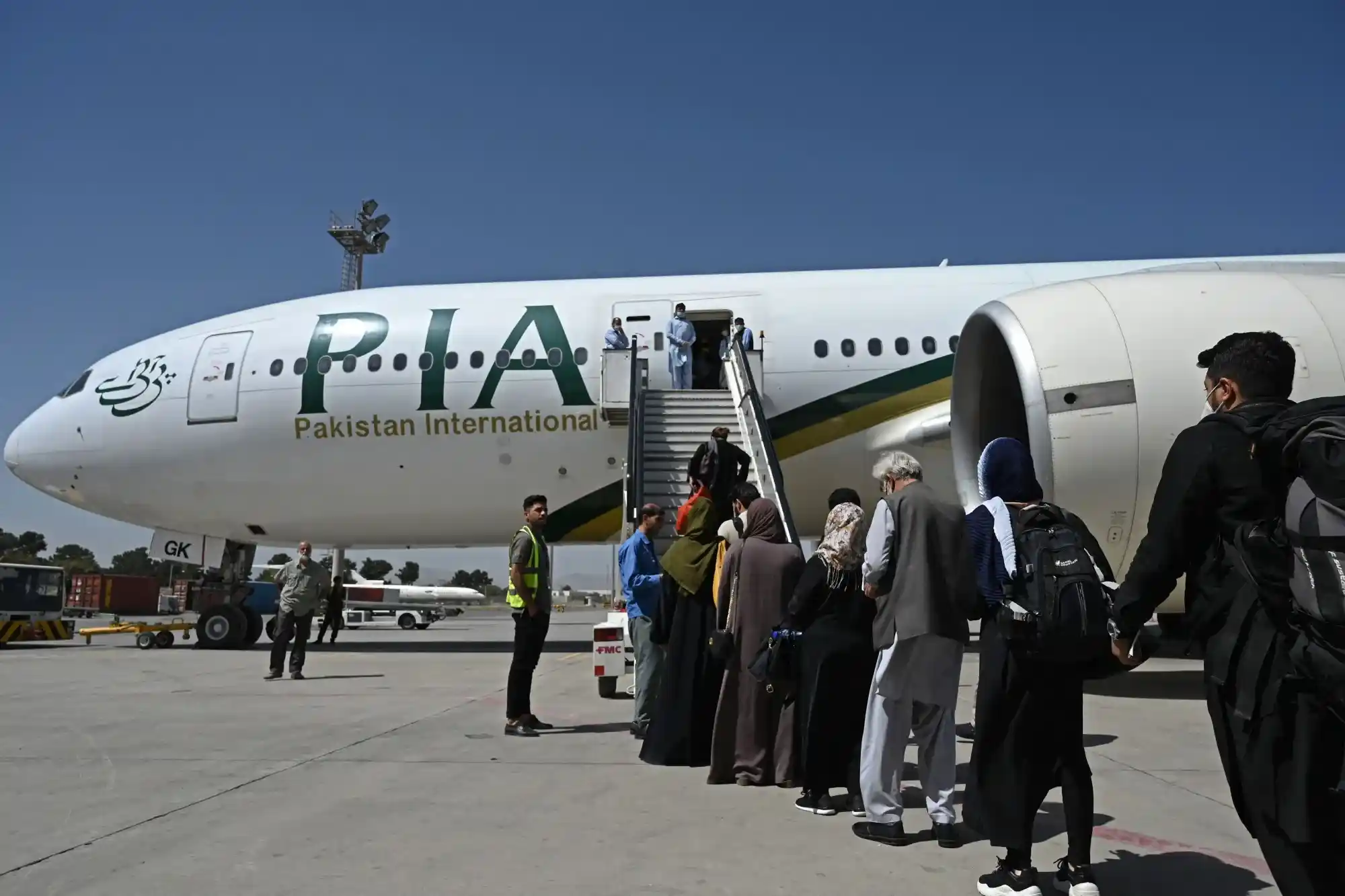
The long-awaited PIA privatisation bidding process officially kicked off today at 10:30am as the Privatisation Commission of Pakistan began receiving sealed bids for the sale of a 75 percent stake in Pakistan International Airlines Corporation Limited (PIACL). This marks a historic moment for Pakistan’s aviation and economic reform agenda, as the government moves forward with one of the most high-profile privatisation efforts in recent years.
The bidding process is being conducted under strict transparency rules, with full media coverage and live broadcasting planned to ensure public confidence. The government believes that private sector participation will help revive PIA, improve service quality, and reduce the financial burden on taxpayers.
Background of PIA Privatisation in Pakistan
Pakistan International Airlines has been facing financial and operational challenges for over two decades. Rising debt, fleet shortages, governance issues, and global competition have significantly weakened the national carrier’s performance. As losses continued to mount, successive governments debated the future of PIA, eventually agreeing that PIA privatisation was the most viable long-term solution.
Under Prime Minister Shehbaz Sharif’s economic reform plan, the privatisation of state-owned enterprises has been prioritised. PIA sits at the centre of this strategy because of its strategic importance, international footprint, and potential for recovery under professional management.

Bid Submission Process Begins at 10:30am
According to official sources, the bid submission process began at 10:30am, with pre-qualified bidders submitting sealed financial offers to the Privatisation Commission. Only those groups that passed technical, financial, and regulatory scrutiny were allowed to participate.
Once all bids are received, they will be securely placed in a transparent box, following international best practices. This step ensures that no bid is altered or influenced before the official opening ceremony later in the day.

Reference Price Approval Mechanism Explained
After receiving the sealed bids, the reference price for the transaction will be finalised. This reference price will be reviewed and approved by two key bodies:
• The Privatisation Commission Board
• The Cabinet Committee on Privatisation (CCoP)
The reference price acts as a benchmark to determine whether the submitted bids are acceptable. If the highest bid exceeds the reference price, the process may move to an open auction phase, allowing bidders to increase their offers in real time.

Formal Bid Opening Ceremony at 3:30pm
A formal ceremony to open the bids is scheduled for 3:30pm today. During this event, the bid values and the approved reference price will be publicly announced. The entire ceremony will be broadcast live on television channels and streamed on digital platforms.
This level of openness reflects the government’s commitment to conducting a transparent, credible, and rules-based privatisation process, especially given the public sensitivity surrounding PIA.

Adviser to PM to Address Media
Following the conclusion of the bidding process, Muhammad Ali, Adviser to the Prime Minister on Privatisation and Chairman of the Privatisation Commission, will hold a press conference. He is expected to explain the bidding outcomes, next procedural steps, and timelines for final approvals.
Muhammad Ali has repeatedly stressed that PIA privatisation is not merely about selling assets but about restructuring the airline for long-term sustainability and global competitiveness.
Why PIA Privatisation Is Crucial for Pakistan’s Economy
The privatisation of PIA is considered a critical step in stabilising Pakistan’s economy. For years, the airline has relied on government bailouts, adding pressure to public finances. By transferring management control to the private sector, the government aims to:
• Reduce fiscal losses
• Improve corporate governance
• Attract foreign and local investment
• Enhance service standards
• Strengthen Pakistan’s aviation sector
These goals align with broader IMF-backed reforms and structural adjustments being pursued by the government.
PIA’s Untapped Commercial Potential
Despite its struggles, PIA holds significant strategic value. Muhammad Ali highlighted that the airline has air service agreements with 97 countries and landing rights at more than 170 destinations worldwide. These agreements are difficult to obtain and represent a major competitive advantage.
Additionally, PIA owns valuable airport slots at premium international airports, which can generate strong revenue if managed efficiently. Aviation experts believe that with the right leadership and investment, PIA can once again become a profitable airline.
Addressing Concerns Over Aviation Experience of Bidders
One of the major public concerns surrounding the bidding process is the limited aviation-specific experience of some bidders. Addressing this issue, Muhammad Ali clarified that modern airline success depends more on strong corporate governance, professional management, and financial capacity than on aviation background alone.
He explained that many successful airlines worldwide are managed by professionals from diverse industries who rely on experienced aviation teams for technical operations. According to him, the participating groups possess the financial strength and governance structures needed to transform PIA.
Dispute With Aircraft Engineers’ Association
On the same day as the bidding process, PIA dismissed the President and Secretary General of the Aircraft Engineers’ Association, citing disciplinary reasons amid an ongoing dispute. This development has drawn attention to labour relations within the airline, an issue that future private management will need to address carefully.
Labour reforms, productivity improvements, and workforce rationalisation are expected to be part of PIA’s post-privatisation restructuring plan, though the government has assured that employees’ legal rights will be protected.
How the Privatisation Will Be Finalised
Once the winning bidder is identified, the federal cabinet will review and approve the transaction. After approval, transaction documents will be signed, and the Privatisation Commission will oversee the transfer of assets, liabilities, and management control.
The entire process is expected to take several weeks, ensuring compliance with legal, regulatory, and financial requirements. Officials say there will be no compromise on transparency or due process.
Impact on Pakistan’s Aviation Sector
The PIA privatisation bidding is expected to set a precedent for future reforms in Pakistan’s aviation sector. Successful privatisation could encourage competition, improve safety standards, and attract international partnerships.
It may also lead to better connectivity, competitive fares, and improved passenger experience, benefiting both domestic and international travellers.
Public Expectations and Market Reaction
Market analysts and the business community are closely watching the bidding outcome. A successful sale at a competitive price would boost investor confidence and send a positive signal about Pakistan’s commitment to economic reforms.
Public expectations remain mixed, with optimism about improved services balanced against concerns over job security and national identity. However, experts agree that without structural reform, PIA’s challenges would continue to deepen.
Conclusion
The PIA privatisation bidding process starting at 10:30am represents a landmark moment for Pakistan’s aviation industry and economic reform programme. With live broadcasting, clear procedures, and strong government backing, the process aims to restore confidence in state asset privatisation.
If managed effectively, the privatisation of PIA could revive the national carrier, reduce financial losses, and reposition Pakistan on the global aviation map. The coming hours and days will determine the future direction of one of the country’s most iconic institutions.
Frequently Asked Questions (FAQs)
1. What is PIA privatisation?
PIA privatisation is the process through which the Government of Pakistan is selling a 75 percent stake in Pakistan International Airlines to private investors to improve efficiency, reduce losses, and modernise the airline.
2. When did the PIA privatisation bidding start?
The PIA privatisation bidding officially started today at 10:30am, when pre-qualified bidders submitted their sealed financial offers to the Privatisation Commission.
3. How much stake is the government selling in PIA?
The government is selling a 75 percent stake in Pakistan International Airlines Corporation Limited (PIACL), while retaining 25 percent ownership.
4. Who is overseeing the PIA privatisation process?
The process is being overseen by the Privatisation Commission of Pakistan, with final approvals required from the Privatisation Commission Board and the Cabinet Committee on Privatisation.
5. How is transparency ensured in the bidding process?
Transparency is ensured through sealed bids, approval of a reference price, a public bid-opening ceremony at 3:30pm, and live broadcasting on TV and digital platforms.