Govt Plans Large-Scale Battery Storage and Clean Energy to Stabilize Pakistan’s Grid
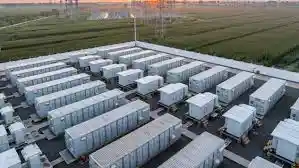
The government of Pakistan has announced plans to deploy large-scale Battery Energy Storage Systems (BESS) to stabilize the national grid. With the increasing integration of renewable energy, frequency fluctuations and grid instability have become major challenges. The move is part of a broader strategy to promote clean energy, reduce reliance on imported fuels, and ensure reliable electricity for economic growth.
This article explores the government’s BESS plan, current renewable energy capacity, clean energy initiatives, policy shifts, private-sector involvement, and the impact on Pakistan’s electricity grid and economy.
Why Battery Storage is Important for Pakistan
Battery Energy Storage Systems (BESS) help in managing intermittent renewable energy, such as solar and wind, which do not produce a constant output. By storing excess energy during periods of high production and supplying it during peak demand, BESS can:
- Stabilize grid frequency
- Improve power quality
- Reduce load-shedding
- Optimize energy dispatch
- Enhance overall system reliability
According to Power Minister Sardar Awais Leghari, private-sector investment is being encouraged to expand BESS deployment across the country.

Pakistan’s Shift Toward Renewable and Indigenous Energy
The government is gradually reducing reliance on imported liquefied natural gas (LNG) and focusing on local and renewable energy sources. Key highlights include:
- Clean energy share reached 46% of the total power mix by September 2025
- Surpassing the 2025 target of 40% renewable energy
- Renewable energy capacity goal: 40% by 2025, 60% by 2030
This shift is expected to improve energy security, reduce fuel import costs, and promote sustainable economic growth.
Current Renewable Energy Capacity in Pakistan
Pakistan’s renewable energy sector is rapidly growing. As of September 2025:
- Private-sector projects: 60 operational, totaling 4,753MW
- Solar: 680MW
- Run-of-river hydropower: 1,937MW
- Wind: 1,845MW
- Bagasse cogeneration: 291MW
- Public-sector hydropower: 9,619MW
- K-Electric solar capacity: 100MW
- Net-metering-based solar PV systems: 6,390MW
Combined, renewables now account for more than 37% of Pakistan’s generation mix, with net-metering helping households and businesses contribute to the grid.

Competitive Trading Bilateral Contract Market
The government has finalized an initial 800MW allocation under the Competitive Trading Bilateral Contract Market framework. This allows renewable energy producers to supply electricity directly to large consumers. Key points:
- Wheeling charge: ~Rs. 13 per unit
- Encourages private-sector participation
- Supports large-scale adoption of renewable energy
- Promotes efficient and cost-effective electricity distribution
This framework aims to increase market transparency and stimulate investment in clean energy projects.

Benefits of Large-Scale Battery Storage
Implementing BESS will bring multiple advantages:
- Grid Stability: Reduces frequency fluctuations caused by intermittent renewable energy
- Peak Shaving: Supplies stored energy during high-demand periods
- Load Management: Helps utilities manage technical and commercial losses efficiently
- Cost Reduction: Reduces dependence on imported fuels and expensive peak generation
- Integration of Renewables: Makes it easier to add more solar, wind, and hydropower capacity
Experts believe BESS will be critical to Pakistan’s transition toward a sustainable energy system.
Government Policy on LNG and Local Resources
Power Minister Leghari highlighted that the government is:
- Gradually reducing imported LNG use
- Promoting Thar coal, solar, wind, bagasse, and hydropower
- Ensuring least-cost dispatch in the generation mix
This approach aims to diversify the energy mix, improve energy security, and reduce reliance on volatile international fuel prices.
Role of Solar Energy and Net-Metering
The adoption of solar energy technology is being actively promoted across:
- Residential sectors
- Commercial buildings
- Industrial facilities
Net-metering regulations enable consumers to:
- Offset their electricity bills
- Supply excess electricity to the national grid
- Contribute to the overall clean energy share
As of September 2025, 6,390MW of net-metering-based solar PV systems have been added, helping Pakistan exceed its clean energy target.
Private Sector Participation
Private-sector involvement is key to Pakistan’s energy strategy. The government is encouraging:
- Investment in BESS systems
- Development of solar, wind, and hydropower projects
- Direct energy supply contracts under the Competitive Trading Bilateral Contract Market
Currently, 60 private renewable projects are operational with a combined capacity of 4,753MW. This demonstrates strong investor confidence in Pakistan’s renewable energy sector.
Load Management and Grid Efficiency
Power Minister Leghari emphasized that load management is now being carried out based on:
- Average technical losses
- Commercial losses
He assured lawmakers that no load-shedding is being implemented due to generation shortfalls, reflecting improved grid efficiency.
Economic and Environmental Benefits
The BESS and clean energy initiatives are expected to:
- Reduce electricity costs for consumers
- Stabilize the national grid
- Reduce carbon emissions
- Support sustainable economic growth
- Encourage adoption of green technology in Pakistan
Experts say these measures will make Pakistan’s electricity system more resilient, affordable, and environmentally friendly.
Challenges Ahead
Despite progress, Pakistan faces several challenges:
- High initial investment costs for BESS
- Need for skilled technical workforce
- Ensuring grid infrastructure can integrate large-scale battery storage
- Regulatory support for private-sector participation
With proper planning and policy implementation, these challenges can be addressed effectively.
Conclusion About Pakistan Battery Energy Storage:
Pakistan’s government is making strategic moves to stabilize the grid and expand clean energy through large-scale battery storage, renewable energy adoption, and policy reforms. With the clean energy share now at 46%, exceeding 2025 targets, and with further investments in BESS, Pakistan is on the path to a sustainable, secure, and efficient energy future.
These initiatives are expected to benefit residents, businesses, and the economy, while reducing environmental impact and dependence on imported fuels.
FAQs
1. What is BESS and why is it important for Pakistan?
Battery Energy Storage Systems (BESS) store excess electricity from renewable sources and supply it during peak demand, stabilizing the grid.
2. How much clean energy is currently in Pakistan’s power mix?
As of September 2025, clean energy accounts for 46% of the total generation.
3. What is the Competitive Trading Bilateral Contract Market?
A framework allowing renewable energy producers to sell electricity directly to large consumers with a wheeling charge.
4. How is Pakistan reducing LNG dependence?
The government is focusing on local energy resources like Thar coal, solar, wind, bagasse, and hydropower.
5. How much renewable energy capacity is operational in Pakistan?
Private-sector projects total 4,753MW, public-sector hydropower is 9,619MW, and net-metering solar adds 6,390MW.