Helmet Prices Rise After New Traffic Rules — Low-Quality Refurbished Helmets Flood Market
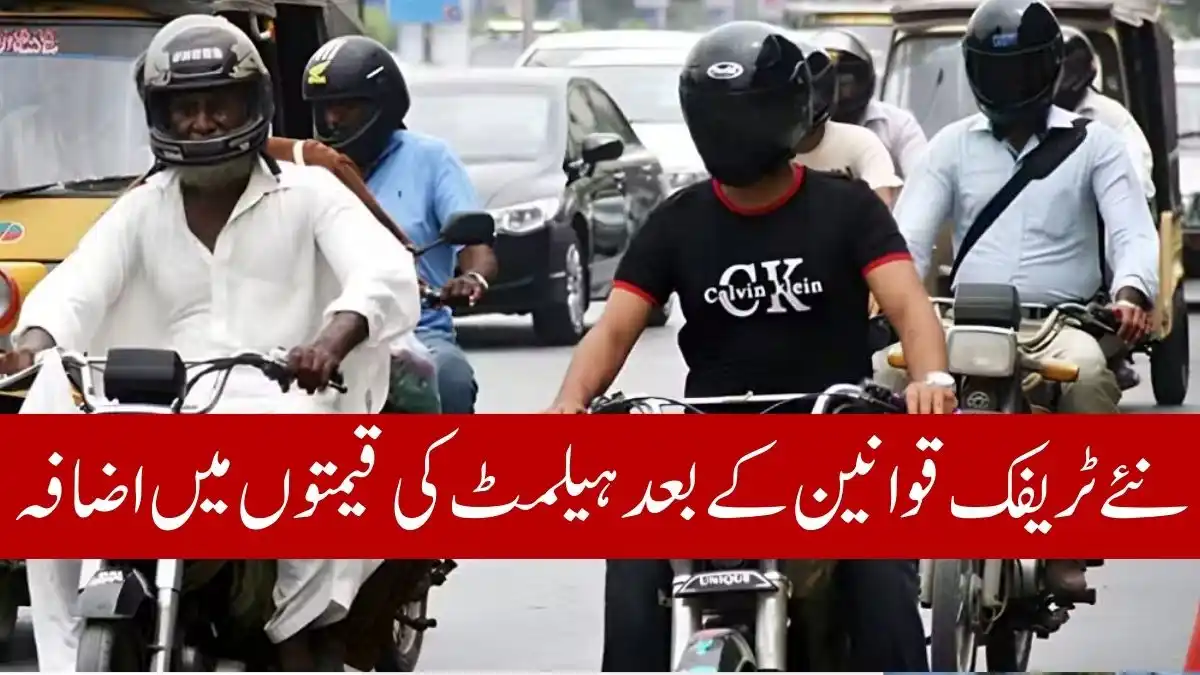
Helmet prices have risen sharply across major markets following the enforcement of new traffic rules in Punjab. With strict fines being imposed on riders without helmets, the demand for affordable safety gear has skyrocketed. This sudden rush has created not only a shortage of quality helmets but also a flood of low-quality refurbished helmets being sold as new. Riders, especially daily commuters, are now struggling to find reliable helmets at reasonable prices.
Why Helmet Prices Are Increasing
Traffic police across Punjab have intensified their crackdown on helmet violations. The Rs. 2,000 fine for riding without a helmet has forced thousands of motorcycle riders to buy helmets immediately. This rapid increase in demand has pushed traders to raise prices, while roadside sellers have returned with cheaper, refurbished helmets to capture the market.
Many shops were previously selling helmets at slow rates, but since the traffic crackdown began, helmet sales have tripled. Traders say the demand has reached the highest level in years.

Current Helmet Prices
In the open market, helmet prices now fall into two major categories:
1) Low-Quality Refurbished Helmets (Rs. 1,200 – Rs. 2,200)
These are mostly old, repainted helmets purchased from scrap dealers. They look new from the outside but provide very poor safety due to weak outer shells and low-quality foam.
2) Good-Quality Helmets (Rs. 3,000 – Rs. 5,000)
These include stronger shells, proper padding, chin straps, and better finishing. However, the high price makes them unaffordable for many budget-sensitive riders.
According to sellers, the price increase ranges from Rs. 500 to Rs. 1,500 depending on the brand and quality.
The Rise of Refurbished Helmets
One of the most concerning developments is the resurfacing of refurbished helmets in the market. Areas traditionally known for helmet recycling and refurbishing have become active again. Shopkeepers buy broken or damaged helmets from scrap dealers for Rs. 50 to Rs. 100, repaint them, add cheap foam padding, and resell them to vendors for about Rs. 1,000.
These vendors then market them as new helmets for Rs. 1,200 to Rs. 1,800. The attractive price and shiny finish convince many riders to buy them.
But safety experts warn that these helmets:
- Cannot absorb impact
- Break easily
- Provide almost zero protection
- Are dangerous during accidents
Despite these risks, many low-income riders buy them to avoid the traffic fine.
Riders Forced to Buy Unsafe Helmets
Thousands of students, delivery riders, and daily wage workers rely on motorcycles. For them, spending Rs. 3,000–5,000 on a branded helmet is not practical. The cheap refurbished helmets are the only option they can afford.
Many riders admit they know the helmets are low quality, but avoiding a Rs. 2,000 fine is more urgent than long-term safety.
A delivery rider said:
“A new helmet costs more than my entire day’s salary. I know these refurbished ones are weak, but what choice do we have?”

Lawyers Criticize the New Fine
District Bar Association President Sardar Manzar Basheer has criticized the Rs. 2,000 fine. According to him:
- The fine is too high
- Riders should be given a new helmet for the same amount
- Penalties should apply only after warning
He argues that the government should help riders instead of burdening them financially.
Traffic Police Justify the Fine
On the other hand, traffic police officials defend the strict enforcement. They say the purpose is to reduce accident deaths and promote road safety.
Traffic police claim:
- Most severe injuries in accidents occur due to no helmet
- Helmets can reduce head injury risk by 70%
- Riders must be responsible for their safety
They also warn that a helmet must be of standard quality. Wearing unsafe refurbished helmets is also dangerous and will not protect during accidents.
Checkposts Increase Across Punjab
Traffic police have increased monitoring across several areas, including:
- Commercial markets
- Busy intersections
- Educational institutions
- High-traffic corridors
Thousands of challans have been issued daily for:
- Helmet violation
- Wrong-way driving
- Triple riding
- Juvenile driving
The strict action is expected to continue for the next several weeks.
Government Urged to Control Prices
Many citizens are demanding the government to regulate helmet prices to make them affordable. They want:
- Price control on essential safety items
- Ban on sale of refurbished helmets
- Introduction of subsidized helmets for low-income riders
- Proper quality checks in markets
Some countries provide low-cost government helmets. Pakistani riders want similar measures.
Experts Warn Against Refurbished Helmets
Road safety experts strongly advise the public to avoid cheap refurbished helmets. While they look appealing due to low price and fresh paint, they lack:
- Impact absorption
- Shell strength
- Secure straps
- Safety certification
Experts say a helmet must never be second-hand or repaired after damage. A single impact can permanently weaken the shell.
Conclusion – Helmet Prices Rise After New Traffic Rules December 2025
The enforcement of strict new traffic rules has created unexpected pressure on the helmet market. Prices have increased, refurbished helmets have resurfaced, and low-income riders are struggling to afford safe options. While the government’s intention is road safety, experts warn that without proper price control and strict action against fake helmets, riders will continue to choose low-quality, unsafe options. Balancing safety and affordability is now the real challenge for policymakers.