
How Much Gold Prices Are Dropped in One Day – Gold Prediction for Next 6 Months 2026
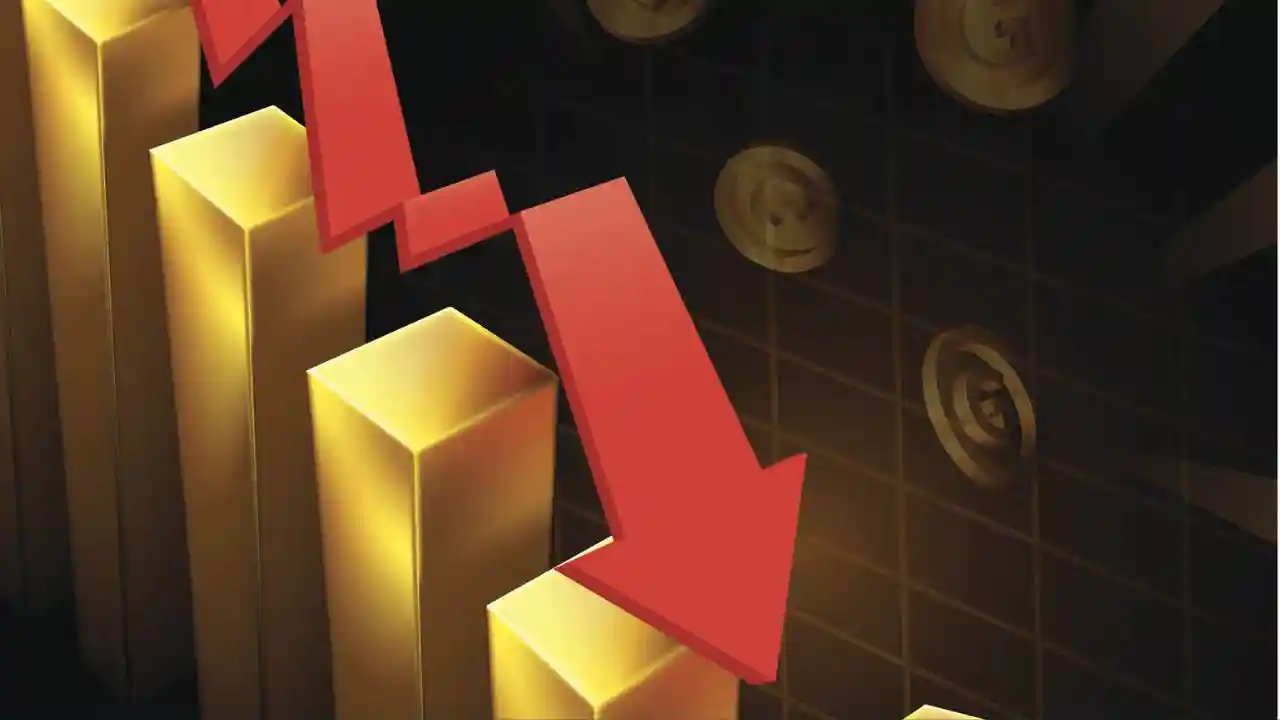
How Much Gold Prices Are Dropped in One Day, traders, and even common buyers. A sudden fall or rise in gold prices can impact global markets, currencies, and personal investment decisions. Recently, many people are asking: how much gold prices can drop in one day and what is the gold price prediction for the next 6 months of 2026.
This detailed article explains daily gold price drops, key reasons behind price fluctuations, and a realistic outlook for gold in the coming months.
Understanding One-Day Gold Price Drops
Gold is considered a safe-haven asset, but that does not mean its price stays stable all the time. In fact, gold prices can experience sharp single-day drops during volatile market conditions.
How Much Can Gold Drop in One Day?
Historically, gold prices have dropped anywhere between 1% to 5% in a single day during high volatility. In extreme cases driven by global economic shocks, interest rate decisions, or sudden sell-offs, gold has even fallen 6%–8% in one trading session.
For example:
- A 1% daily drop usually reflects normal market correction
- A 3%–4% drop signals strong selling pressure
- A 5%+ drop often happens during panic selling or major policy announcements
These drops are not unusual, especially when global financial markets are reacting to strong economic data or central bank statements.

Key Reasons Behind a Sudden Gold Price Drop
Understanding the causes behind gold price declines helps investors make smarter decisions.
1. Rising Interest Rates
When central banks increase interest rates, investors prefer interest-bearing assets over gold. This often leads to a sharp one-day drop in gold prices.
2. Strong US Dollar
Gold is priced in US dollars. When the dollar strengthens, gold becomes more expensive for other currencies, reducing demand and pushing prices down.
3. Stock Market Rally
If global stock markets perform well, investors move money from safe-haven assets like gold into equities, causing gold prices to fall.
4. Profit Booking by Investors
After gold hits record highs, many investors sell to lock in profits. This selling pressure can cause a sudden daily drop.
5. Lower Geopolitical Tensions
Gold prices often rise during wars, conflicts, or political uncertainty. When tensions ease, gold prices may fall sharply in a single day.

Is a One-Day Gold Price Drop a Bad Sign?
Not necessarily. A one-day drop does not always mean gold is entering a long-term bearish trend. In many cases, such drops are healthy corrections after a strong rally.
Long-term investors often see sharp daily drops as buying opportunities, especially when gold fundamentals remain strong.

Gold Market Outlook for Early 2026
As we move into 2026, gold remains a key asset in global portfolios. Inflation concerns, economic slowdowns, and currency risks continue to support gold demand.
However, short-term volatility is expected to remain high.

Gold Prediction for the Next 6 Months of 2026
January to February 2026
Gold prices may remain volatile as markets react to new economic data and central bank policies. Minor corrections of 2%–4% are possible, especially after strong rallies.
March to April 2026
During this period, gold could stabilize and recover. If inflation remains persistent, gold prices may start moving upward again with steady gains.
May to June 2026
Gold is expected to show moderate bullish momentum. Demand from central banks and investors could push prices higher, though sudden one-day drops may still occur due to profit booking.
Overall, analysts expect gold to trade within a wide range, with short-term drops balanced by long-term upward pressure.
Bullish Factors Supporting Gold in 2026
- Continued global economic uncertainty
- Inflation risks in major economies
- High government debt levels
- Strong central bank gold purchases
- Ongoing geopolitical risks
These factors suggest that while gold may drop sharply on some days, its long-term trend remains strong.
Bearish Risks to Watch
- Aggressive interest rate hikes
- Sustained strength in the US dollar
- Strong global economic recovery
- Reduced demand from investors
If these factors dominate, gold could face deeper corrections in 2026.
Should Investors Worry About Daily Gold Price Drops?
Short-term traders may be affected by daily fluctuations, but long-term investors usually ignore single-day drops. Historically, gold has recovered from sharp declines and delivered strong returns over time.
A one-day drop should be analyzed in context rather than treated as a panic signal.
Investment Strategy During Gold Price Drops
- Avoid panic selling during sudden drops
- Focus on long-term trends instead of daily charts
- Use price dips as potential buying opportunities
- Diversify investments to reduce risk
Smart investors understand that volatility is part of the gold market.
Conclusion
Gold prices can drop 1% to 5% in a single day, and sometimes even more during extreme market events. These drops are often driven by interest rates, currency movements, and investor sentiment rather than a loss of gold’s long-term value.
For the next 6 months of 2026, gold is expected to remain volatile but fundamentally strong. While short-term corrections are likely, the overall outlook remains cautiously bullish. Investors who stay patient and informed are better positioned to benefit from gold’s long-term potential.
FAQs How Much Gold Prices Are Dropped in One Day
How much can gold prices fall in one day?
Gold prices usually fall between 1% and 5% in a single day, depending on market conditions.
Is a one-day gold price drop normal?
Yes, daily price drops are normal and often part of market corrections.
Will gold prices recover after a sharp drop?
Historically, gold has recovered after sharp declines, especially during uncertain economic periods.
Is 2026 a good year to invest in gold?
2026 is expected to be volatile, but gold remains a strong long-term hedge against inflation and uncertainty.
Should I buy gold after a price drop?
Many investors consider price drops as buying opportunities, but decisions should align with personal financial goals.